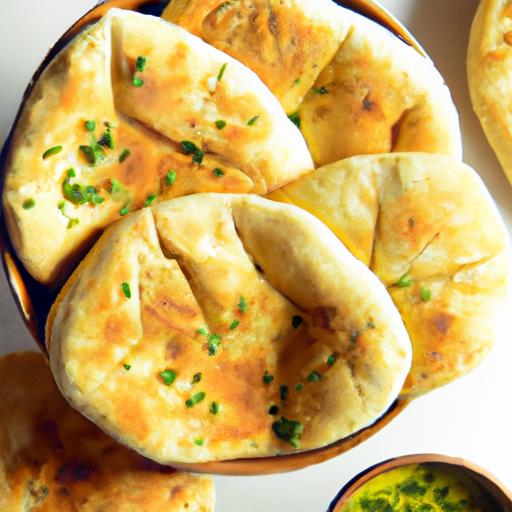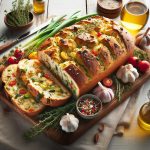

There’s a magic in the folds of Yemeni Malawach-a flatbread that, with each crisp, flaky layer, tells a story of tradition, warmth, and home. Known for its golden, buttery texture that flakes apart like a savory pastry, Malawach has captured the hearts and kitchens of food lovers around the world. But beneath its simple appearance lies a careful dance of ingredients, technique, and patience. In this article, we’ll unravel the secrets behind mastering this beloved Yemeni flatbread, guiding you step-by-step through creating your own flaky delight that promises to bring both comfort and culinary adventure to your table.
Flaky Delight is a culinary journey into the heart of Yemen’s most cherished flatbread, Malawach. This recipe reveals the secrets behind its irresistibly flaky layers and authentic, buttery flavor, transporting you beyond ordinary breadmaking into a celebration of culture and technique. Originating from the bustling kitchens of Yemenite Jewish communities, Malawach serves as both a hearty breakfast staple and an inviting companion to savory dips and stews.
Prep and Cook Time
- Preparation Time: 20 minutes
- Resting and Dough Proofing: 2 hours
- Cooking Time: 10-12 minutes per batch
Yield
- About 6-8 medium-sized Malawach flatbreads
Difficulty Level
- Medium – Requires attention to rolling and folding techniques for perfect layers
Ingredients
- 2 cups all-purpose flour, sifted
- 1/2 teaspoon salt
- 1/2 teaspoon sugar
- 3/4 cup lukewarm water (adjust as needed)
- 4 tablespoons vegetable oil, plus extra for rolling and frying
- 3 tablespoons melted clarified butter (samneh or ghee) for layering
Instructions
- Combine the dry ingredients: In a large mixing bowl, whisk together the flour, salt, and sugar until evenly blended.
- Create the dough: Gradually pour the lukewarm water into the flour mixture, stirring with a fork or wooden spoon until a shaggy dough forms.
- Knead to perfection: Transfer the dough onto a floured surface and knead for about 8-10 minutes until smooth and elastic. Add a few drops of water or flour if necessary.
- First rise: Lightly oil a clean bowl, place the dough inside, cover with a damp cloth, and let it rest for at least 1 hour at room temperature.
- Divide and roll: Punch down the dough gently and divide it into 6-8 equal balls. Using a rolling pin, roll each ball into a thin circle, about 8-9 inches in diameter, on a well-oiled surface to prevent sticking.
- Butter layering: Brush each rolled dough lightly with melted clarified butter, then drizzle a teaspoon of vegetable oil over the surface.
- The folding magic: Fold the dough like a letter-fold one side over the center, then the opposite side over this fold, creating layers. Roll again gently to elongate, then coil the dough into a spiral.
- Final resting: Place the spirals seam-side down, cover again, and allow them to rest another 30 minutes. This rest is crucial for achieving the signature flaky texture.
- Cook the Malawach: Heat a non-stick skillet or cast iron pan over medium heat and add a tablespoon of vegetable oil. Flatten each spiral gently with your palm and cook for 3-4 minutes per side, or until golden brown and puffed with crispy, flaky layers. Adjust heat as needed to prevent burning.
- Serve immediately: Transfer cooked Malawach to a warm plate lined with paper towels to absorb excess oil, keeping them soft yet krispy.
Tips for Success
- Use clarified butter or ghee for authentic flavor and enhanced layering; butter or plain oil won’t replicate the true taste.
- Maintaining a well-oiled work surface is essential to prevent the dough from sticking during rolling and folding.
- If dough feels too dry or cracks while rolling, let it rest covered for an additional 15 minutes to allow gluten to relax.
- Practice patience during the folding process – the magic of flaky layers happens in the delicate folds and spirals.
- Malawach can be made ahead, cooled, and refrigerated for up to 2 days; reheat gently in a skillet or oven to restore crispiness.
Elevating Your Malawach Experience with Traditional Accompaniments
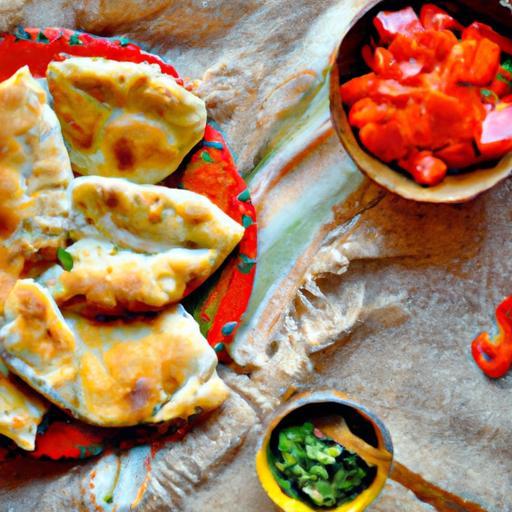
For a truly immersive Yemeni experience, pair your Malawach with zhug (a spicy cilantro-based green sauce), a bowl of hard-boiled eggs simmered in dukkah spices, or the sweet tang of date honey. The contrast between the flaky, buttery bread and these vibrant condiments excites the palate and honors the cultural roots of the dish.
Present your Malawach on a rustic wooden board, garnished with fresh parsley sprigs and a small bowl of za’atar-infused olive oil for dipping. This combination brings both visual appeal and depth of flavor, transforming each bite into a celebratory moment.
| Nutritional Info (per serving) | Calories | Protein | Carbs | Fat |
|---|---|---|---|---|
| Malawach Flatbread | 220 | 5g | 28g | 10g |
For more Middle Eastern flatbread inspiration, explore our detailed guide on making traditional Pita bread.
Discover the rich culinary history and nuances of Malawach at Exploratory Cooking – a trusted source for authentic Yemeni recipes.

Q&A
Q&A: Flaky Delight – Mastering Yemeni Malawach Flatbread Recipe
Q1: What is Malawach, and why is it special in Yemeni cuisine?
A1: Malawach is a traditional Yemeni flatbread renowned for its buttery, flaky layers and crispy texture. Originating from Yemenite Jewish communities, it’s a celebratory bread that doubles as a daily staple-perfect for breakfast or a hearty snack. Its magic lies in the tender, laminated dough that crisps up golden, offering a tantalizing crunch and rich, buttery aroma.
Q2: What key ingredients give Malawach its signature flakiness?
A2: The secret to Malawach’s flaky layers is an interplay between simple ingredients: flour, water, salt, and a generous dose of fat-usually clarified butter (samneh) or oil. The dough is carefully rolled, stretched, and folded repeatedly, creating thin layers separated by fat that puff up into distinct sheets when cooked.
Q3: Is mastering Malawach difficult for a home cook?
A3: While Malawach might seem intimidating due to its layered technique, patience and practice turn it into a meditative dance with dough. The steps-resting, rolling, folding, and frying-are straightforward. With a creative spirit and willingness to experiment, even beginners can create flaky wonders on their first try.
Q4: How do you achieve the perfect golden crisp without burning the bread?
A4: Controlling heat is crucial. Cook Malawach over medium to medium-low heat, allowing the layers to crisp gradually and evenly. A hot pan can lead to burnt outsides and undercooked dough inside. Use a non-stick skillet or cast iron pan, and watch the transformation patiently-your golden flaky delight awaits.
Q5: What are some traditional and modern serving suggestions for Malawach?
A5: Traditionally, Malawach pairs beautifully with hard-boiled eggs, zhug (spicy Yemeni condiment), grated tomatoes, and honey. Modern twists include wrapping it around spiced meats or using it as a base for fusion tacos. Its versatility allows it to be sweet or savory, making it a canvas for culinary creativity.
Q6: Can Malawach be made ahead and stored?
A6: Absolutely! You can prepare the dough in advance, refrigerate it for up to 2 days, and even freeze portions for longer storage. Cooked Malawach can be reheated on a skillet or oven to revive its crispiness. This makes it a perfect make-ahead option for busy mornings craving a flaky treat.
Q7: What culinary skills does mastering Malawach help develop?
A7: Crafting Malawach hones fundamental techniques such as dough sheeting, layering fats, temperature control, and frying skills. It also nurtures mindfulness-encouraging cooks to slow down and appreciate the art of breadmaking. Success in creating Malawach boosts confidence across a range of baking and cooking disciplines.
Mastering the Yemeni Malawach flatbread invites you on a flavorful journey-where simple ingredients transform into golden layers of joy. With this Q&A as your guide, your kitchen will soon be filled with the irresistible aroma of flaky delight!
Final Thoughts
As the final golden layers of your Yemeni malawach come together-each flaky, buttery fold a testament to tradition-you’ve not only mastered a recipe but embraced a story centuries in the making. This humble flatbread, with its crisp edges and tender interior, is more than just a dish; it’s a culinary bridge connecting cultures, history, and home kitchens around the world. Whether served with a side of zesty schug, dipped in honey, or savored plain, malawach invites you to slow down, savor, and share. So next time you roll up your sleeves and fold those delicate layers, remember: you’re not just creating food-you’re crafting a flaky delight that celebrates the heart and soul of Yemeni cuisine.