
In the realm of pastries, few delights capture the imagination quite like hojaldras-those golden, flaky jewels that seem to float between crispiness and pillow-soft tenderness. But what if the secret to truly cloud-like hojaldras has been hidden in plain sight, waiting to be unlocked? Welcome to “Fluffy Hojaldras Unveiled: Secrets to Cloud-Light Treats,” where we journey beyond the basic recipe to uncover the little-known techniques, ingredients, and baking wisdom that transform ordinary dough into ethereal, melt-in-your-mouth marvels. Whether you’re a seasoned baker or a curious kitchen adventurer, prepare to elevate your hojaldras from simply good to irresistibly airy perfection.
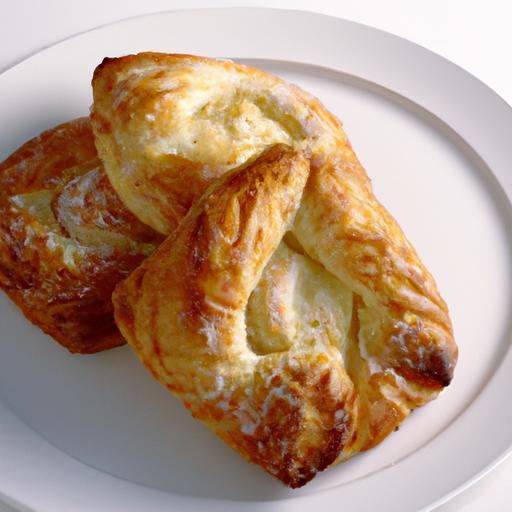
Fluffy Hojaldras are not just a delightful Latin American treat-they embody a tradition of culinary artistry passed down through generations. These cloud-light fried pastries boast ethereal layers that crisp delicately on the outside while maintaining a tender, pillowy interior. Their hypnotic flakiness invites you to savor every bite, and mastering their texture is an art worth perfecting. Whether enjoyed plain, sprinkled with sugar, or paired with artisanal honey, the secret lies in technique and the precise harmony of essential ingredients.
Prep and Cook Time
Preparation Time: 20 minutes
Cook Time: 15 minutes
Total Time: 35 minutes
Yield
Yield: 12-15 hojaldras, depending on size
Difficulty Level
Medium – requires patience and careful layering
Essential Ingredients for Light and Airy Hojaldras
- 2 cups all-purpose flour, sifted
- 1/2 teaspoon baking powder
- 1 teaspoon fine sea salt
- 4 tablespoons cold unsalted butter, cut into small cubes
- 1/2 cup whole milk, cold
- 1 large egg
- Vegetable oil for frying, about 2 cups
- Optional: powdered sugar or cinnamon sugar for dusting
Step by Step Techniques to Achieve Cloud-Like Layers
- Combine dry ingredients: In a spacious bowl, whisk together the sifted all-purpose flour, baking powder, and sea salt. This ensures even leavening and a light texture.
- Incorporate butter: Using your fingertips or a pastry cutter, gently rub the cold butter cubes into the flour mixture until it creates a coarse, crumbly texture with pea-sized bits of butter throughout. This layering technique is essential for flakiness.
- Mix wet ingredients: In a separate bowl, beat the egg with the cold milk, then gradually add to the dry mix. Stir just until the dough begins to come together.
- Knead and rest: Transfer the dough to a lightly floured surface. Knead gently four to five times – avoid overworking to preserve air pockets. Wrap in plastic wrap and refrigerate for at least 30 minutes to allow gluten relaxation and butter firming.
- Roll and fold: Roll out the chilled dough into a rectangle roughly 12×8 inches. Fold it into thirds like a letter, then roll again. Repeat this rolling and folding two more times. This lamination traps air, creating those signature layers.
- Cut and shape: Roll the dough to about 1/4 inch thickness and cut into circles or hexagons. Let them rest for 10 minutes before frying.
- Fry to perfection: Heat vegetable oil in a heavy skillet over medium heat to 350°F (175°C). Fry hojaldras in small batches, about 2-3 minutes per side or until golden brown and puffed. Remove with a slotted spoon and drain on paper towels.
Tips and Tricks from Pastry Chefs for Consistently Fluffy Hojaldras
- Keep ingredients cold: Cold butter and milk are key to flaky layers. Chill your utensils and even the flour if possible.
- Minimal kneading: Overworking dough toughens gluten and deflates trapped air-use a light touch.
- Rest, rest, rest: Patience during chilling ensures the butter solidifies and gluten relaxes for perfect layering.
- Temperature control while frying: Maintain consistent oil heat to prevent greasy textures and uneven puffing.
- Experiment with fold counts: If layers seem sparse, add an extra fold during rolling to enhance the layering effect.
- Use internal links for inspiration: Check out our Latin American Desserts Collection for more pastry gems to expand your repertoire.
Serving Suggestions
Fluffy hojaldras shine best when served fresh and warm. Dust them with powdered sugar or a sprinkle of cinnamon sugar to add subtle sweetness and sparkle. For a luxurious touch, drizzle with raw artisanal honey or pair alongside fruit compotes and whipped cream. They also make an exquisite vessel for creamy fillings like dulce de leche or mascarpone, turning each bite into an irresistible cloud-light dream.
| Nutrient | Per Serving (1 Hojaldra) |
|---|---|
| Calories | 180 kcal |
| Protein | 3 g |
| Carbohydrates | 22 g |
| Fat | 8 g |

Q&A
Q&A: Fluffy Hojaldras Unveiled: Secrets to Cloud-Light Treats
Q1: What exactly are hojaldras?
A1: Hojaldras are a type of traditional fried dough treat beloved in many Latin American cultures. Think of them as golden, pillow-like discs that puff up with a delicate chewy interior and a crispy exterior-essentially edible clouds crafted from simple ingredients.
Q2: Why are fluffy hojaldras so special?
A2: Fluffy hojaldras are prized for their lightness and airy texture, a result of perfectly balanced dough and frying technique. They’re comforting yet elegant-a humble street food turned irresistible indulgence.
Q3: What’s the secret to that signature fluffiness?
A3: The secret lies in the dough’s hydration, resting time, and the way the hojaldras are handled before frying. Using lukewarm water helps activate the yeast gently, while allowing the dough to rest ensures a tender crumb. Plus, handling the dough lightly preserves those tiny air pockets that swell like clouds when fried.
Q4: Are there specific ingredients that make a difference?
A4: Yes! Classic hojaldras rely on all-purpose flour, a touch of sugar, salt, yeast, and water. Some chefs add a splash of milk or a hint of oil to enhance softness. The quality of flour and freshness of yeast also play starring roles in the fluff factor.
Q5: How do you know the oil is ready for frying hojaldras?
A5: The oil should be hot enough to create an immediate sizzle when the dough hits the surface, but not so hot that the exterior browns too fast. Aim for around 350°F (175°C). Too cool, and the hojaldras’ll soak up oil and turn greasy; too hot, and they’ll crisp prematurely without inflating properly.
Q6: Can hojaldras be customized with flavors or toppings?
A6: Absolutely! Some love them dusted with powdered sugar, drizzled with honey, or paired with fresh fruit and cream. Others stuff or drizzle them with savory ingredients like cheese or guava paste for a delightful twist. The fluffy base is a versatile canvas for creativity.
Q7: What’s the best way to serve hojaldras?
A7: Serve them fresh and warm-straight from the fryer-so you experience their full cloud-like magic. They’re perfect for breakfast, snack time, or a sweet finish to any meal, accompanied by coffee, hot chocolate, or a tropical fruit juice.
Q8: Any tips for beginners trying hojaldras at home?
A8: Patience is key! Don’t rush the dough resting time and handle each piece gently. Use a thermometer to maintain consistent oil temperature, and fry in small batches to keep the oil from cooling down. Most importantly: enjoy the process-each fluffy hojaldras is a piece of edible tradition.
The Way Forward
As the final layers of crispy, golden hojaldra unfold, we’ve uncovered the delicate dance of butter, dough, and patience that transforms simple ingredients into clouds of culinary delight. These fluffy hojaldras are more than just treats; they are edible stories-whispers of tradition, technique, and a touch of magic. Now armed with the secrets to achieving that perfect lightness, your kitchen can become a haven where flaky dreams take flight. So roll up your sleeves, embrace the layers, and let every bite transport you to a world where texture and flavor float in delicious harmony.