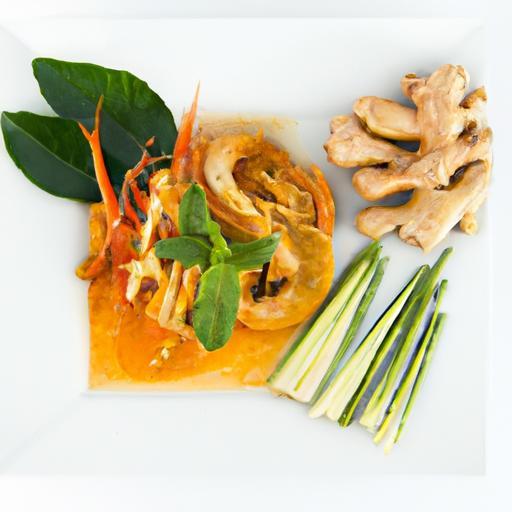

In the vibrant world of spices, two fiery roots often find themselves at the heart of culinary debates: ginger and galangal. Though they may look like close relatives, these zesty powerhouses bring distinctly different flavors to the table-each capable of transforming a dish from ordinary to extraordinary. But what happens when you swap one for the other in your kitchen? Is it a seamless switch or a flavor faux pas? Join us as we peel back the layers of ginger and galangal, uncovering their unique qualities and fiery personalities to help you decide when-and if-you should make the bold culinary leap.
Ginger vs. Galangal: Navigating Their Origins and Flavor Profiles
Ginger vs. Galangal presents a compelling culinary challenge-both roots bring fiery warmth but diverge in heritage and taste. Originating from Asia, ginger is celebrated for its sharp, peppery zest and subtle citrus undertones, while galangal offers a more piney, earthy aroma with hints of citrus peel and pepper. This flavorful duel invites an exploration of when to embrace the familiar bite of ginger or the exotic flair of galangal to elevate your dishes.
Prep and Cook Time
- Preparation: 15 minutes
- Cooking: 20 minutes
- Total Time: 35 minutes
Yield
Serves 4 generously
Difficulty Level
Medium
Ingredients
- 2 tbsp fresh ginger, peeled and finely minced
- 2 tbsp fresh galangal, peeled and thinly sliced
- 1 tbsp vegetable oil or coconut oil
- 3 garlic cloves, minced
- 1 red chili, deseeded and chopped
- 400g chicken thighs, cut into bite-sized pieces
- 1 cup coconut milk
- 2 tbsp fish sauce
- 1 tbsp palm sugar
- Juice of 1 lime
- Fresh cilantro, chopped for garnish
- Steamed Jasmine rice, to serve
Instructions
- Prepare the aromatics: In a mortar and pestle or food processor, combine the ginger, galangal, garlic, and red chili. Pound or pulse until you get a fragrant, coarse paste. This mixture forms the backbone of your dish’s complexity.
- Heat the oil: Warm the vegetable oil in a heavy-bottom skillet over medium heat. Add the aromatic paste and sauté until fragrant and slightly golden, about 5 minutes, stirring frequently to avoid burning.
- Cook the chicken: Add the chicken thighs pieces to the skillet, stirring to coat them well with the aromatic paste. Cook until the chicken is lightly browned on all sides, about 6-8 minutes.
- Add liquids and simmer: Pour in the coconut milk, stirring to combine. Add fish sauce and palm sugar, adjusting heat to bring it to a gentle simmer. Let it cook uncovered for 10 minutes, allowing flavors to meld and sauce to thicken slightly.
- Finishing touches: Squeeze in fresh lime juice to brighten the dish. Taste and adjust seasoning by adding more fish sauce or lime juice as needed.
- Serve: Spoon over steamed jasmine rice and garnish liberally with fresh cilantro just before serving.
Tips for Success
- Swapping ginger and galangal: When substituting one for the other, reduce galangal quantities by half as it has a stronger, more pungent flavor. Conversely, increase ginger slightly to approximate galangal’s warmth when swapping.
- Heat management: Both roots offer heat, but to maintain a balanced heat profile, introduce fresh or dried chilies thoughtfully to complement their fiery notes without overpowering.
- Make-ahead: The aromatic paste can be prepared ahead and stored in an airtight container in the fridge for up to 3 days or frozen in portions for quick use.
- Variation: Replace chicken with firm tofu or shrimp for a pescatarian twist, adjusting cooking times accordingly.
Serving Suggestions
Present your dish in a shallow bowl with a bed of fluffy jasmine rice. Garnish with extra fresh cilantro and thinly sliced red chilies for visual contrast and additional heat. Pair this meal with a light cucumber salad dressed in rice vinegar to balance the fire with cool, crisp freshness.
| Nutrient | Per Serving |
|---|---|
| Calories | 380 kcal |
| Protein | 30 g |
| Carbohydrates | 10 g |
| Fat | 22 g |
For a deeper dive into using these roots in Southeast Asian cuisine, check out our Exploring Thai Flavors guide. Additionally, learn more about the health benefits of ginger and galangal at NCBI Research.

Q&A
Q&A: Ginger vs. Galangal – A Fiery Swap in Your Kitchen?
Q1: What exactly are ginger and galangal? Are they cousins or strangers in the spice rack?
A: Ginger and galangal are botanical relatives from the Zingiberaceae family, often mistaken for each other due to their similar knobby rhizomes. Think of them as spicy siblings-each with its own distinct personality that can transform your culinary creations in unique ways.
Q2: How do ginger and galangal differ in flavor?
A: Ginger delivers a warm, peppery, and slightly sweet zing that dances on your tongue with a familiar, comforting heat. Galangal, on the other hand, boasts a sharper, more pungent profile with citrusy, pine-like notes and a hint of earthiness. It’s like ginger’s bold, exotic twin-daring and vibrant.
Q3: Can I use ginger instead of galangal in recipes?
A: This is the fiery swap question! While ginger can be a stand-in in a pinch, it won’t replicate galangal’s unique aromatic punch. Dishes like Thai tom yum or Indonesian soto rely on galangal’s distinctive flavor to shine. Subbing ginger will mellow down the spice and shift the balance-think creative adaptation, not exact substitution.
Q4: What about swapping galangal with ginger in sweet recipes?
A: Ginger is the star in many desserts, adding warmth and zest. Galangal, with its intense sharpness, can overpower sweets unless carefully balanced. If you’re tempted to experiment, start with small amounts-your taste buds will thank you for the culinary adventure.
Q5: How do their health benefits compare?
A: Both pack medicinal mojo! Ginger is renowned for soothing nausea, aiding digestion, and combating inflammation. Galangal shares anti-inflammatory properties but is also praised in traditional medicine for improving circulation and fighting infections. Whether you pick ginger or galangal, you’re treating your body to a spicy health boost.
Q6: How should I store ginger and galangal to keep their zest alive?
A: Keep fresh rhizomes refrigerated, wrapped in a paper towel inside a sealed bag, to prevent moisture loss. Both freeze well-grate frozen pieces straight into your pot without thawing. For long-term storage, dry slices or powder preserve their fiery flair, though fresh always delivers the brightest punch.
Q7: Any quick tips for cooking with galangal?
A: Slice or crush galangal thinly to unlock its flavor, and remember-it’s tougher than ginger, so longer cooking times help mellow its intensity. Pair galangal with coconut milk, lemongrass, and chili for authentic Southeast Asian flavor magic.
Q8: Bottom line: Should I swap ginger with galangal or keep them separate in my kitchen arsenal?
A: If you love culinary fireworks and crave authentic taste journeys, keep them both close. Ginger is your everyday, friendly heat booster; galangal is your secret weapon for that exotic, unforgettable kick. Swapping is possible but think of it more like improvisation than replication-a fiery dance, not a perfect match.
Closing Remarks
As the final swirl of ginger’s warmth meets the sharper zing of galangal, your kitchen becomes a playground for bold flavors and culinary adventure. Whether you choose the familiar comfort of ginger or dare to experiment with galangal’s exotic punch, each root brings its own story, aroma, and magic to your dishes. So next time you’re reaching for that fiery spark, remember-this isn’t just a swap; it’s a flavorful journey waiting to ignite your senses. Embrace the roots of tradition and innovation, and let your taste buds revel in the vibrant dance of ginger and galangal. Happy cooking!