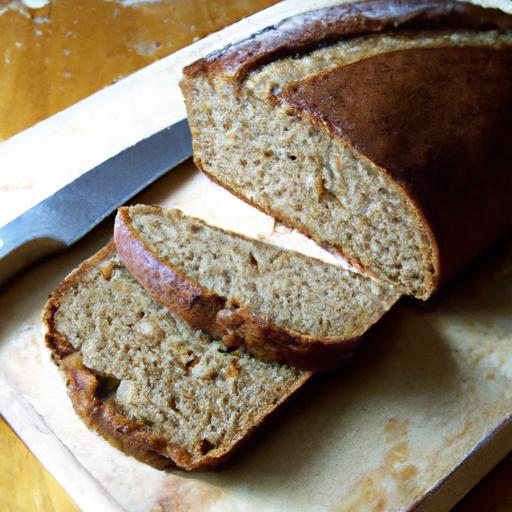

In the land of fire and ice, where glaciers meet steaming geysers, a humble yet hearty treasure has been quietly nourishing Icelanders for centuries-Rúgbrauð. This dark, dense rye bread, often dubbed the “Viking bread,” is more than just a staple; it’s a time-honored tradition baked slowly beneath the earth’s warm embrace. In this article, we peel back the layers of Icelandic history and culture to unveil the secrets of the traditional Rúgbrauð recipe. Join us on a journey to discover how this uniquely sweet, rich rye bread is made, why it has endured through generations, and how you can bring a taste of Icelandic heritage to your own table.
Icelandic Rúgbrauð Rye Bread is a cherished traditional staple deeply woven into Icelandic culture and culinary heritage. Known for its dense, slightly sweet, and moist texture, this rye bread carries the warm echoes of frostbitten landscapes and centuries-old baking customs. Originally slow-baked underground using geothermal heat, Rúgbrauð’s unique preparation imparts an earthy aroma paired with a gentle sweetness, creating an unforgettable flavor profile. Whether enjoyed with butter, smoked lamb, or pickled fish, this bread is more than sustenance-it is a connection to Iceland’s resilient past and vibrant present.
Prep and Cook Time
- Preparation Time: 15 minutes
- Cooking Time: 8 hours (baked traditionally at low temperature)
Yield
- Makes 1 large loaf (about 12 servings)
Difficulty Level
- Medium – requires patience for slow baking and precise ingredient balance
Key Ingredients and Their Unique Roles in Flavor Development
- Dark rye flour (3 cups): The backbone of authenticity, providing the rich, earthy depth and dense texture crucial to Rúgbrauð.
- Whole wheat flour (1 cup): Adds complexity and helps balance the crumb with slight nuttiness.
- Brown sugar (1 cup, packed): Essential for that subtle sweetness, caramelizing gently during the slow bake.
- Baking powder (1 tsp): Gives the bread a tender lift without compromising density.
- Buttermilk (2 cups): Imparts slight acidity for flavor complexity and a moist crumb.
- Molasses (1/4 cup): Enhances color and deepens the sweetness with robust, bittersweet tones.
- Unsalted butter (2 tbsp, melted): Adds a silky richness and helps maintain moisture.
- Warm water (1 cup): Activates baking powder and balances dough consistency.
- Salt (1 tsp): Elevates all flavors without overpowering the natural rye essence.
Step by Step Guide to Baking Authentic Rúgbrauð at Home
- Preheat your oven to 225°F (110°C), setting the stage for the slow, gentle baking that defines this bread’s tender crumb.
- Prepare a large mixing bowl. Sift together the 3 cups dark rye flour, 1 cup whole wheat flour, 1 tsp baking powder, and 1 tsp salt, blending these dry ingredients thoroughly to ensure even rising.
- In a separate bowl, whisk together 2 cups buttermilk, 1 cup brown sugar, 1/4 cup molasses, 2 tbsp melted unsalted butter, and 1 cup warm water. This liquid mixture will create the moist, slightly sweet base essential to Rúgbrauð’s signature flavor.
- Slowly pour the wet ingredients into the flour mixture, stirring gently but thoroughly until a thick, smooth batter forms. Be careful not to overmix; aiming for a slightly sticky but cohesive dough is ideal.
- Grease a 9×5-inch loaf pan with butter or line it with parchment paper to prevent sticking.
- Pour the batter into the prepared pan, smoothing the top with a spatula to ensure even baking.
- Cover the loaf pan tightly with aluminum foil to trap moisture. Place the pan in your oven and bake at 225°F (110°C) for 7 to 8 hours, or overnight, allowing the low heat to cook the bread slowly and develop its characteristically soft crumb and rich flavor.
- Once done, remove the bread from the oven carefully, allow it to cool completely in the pan before slicing-it’s important to let the loaf rest to set its moist structure.
Tips for Perfecting Texture and Serving Suggestions for Traditional Enjoyment
- For a moister loaf, cover the pan with foil tightly and avoid opening the oven mid-bake to preserve steam.
- To enhance the sweetness, replace brown sugar with coconut sugar for a subtle caramel note.
- Traditional Icelanders often serve Rúgbrauð with smoked lamb (hangikjöt) or slices of pickled herring, crowned with a dollop of butter.
- Try slicing thin and toasting pieces gently before spreading with cream cheese and fresh dill for a Nordic-inspired snack.
- Store tightly wrapped at room temperature for up to 5 days or freeze sliced portions for lasting freshness.
Nutritional Information
| Serving Size | Calories | Protein | Carbs | Fat |
|---|---|---|---|---|
| 1 slice (approx. 50g) | 140 kcal | 4 g | 28 g | 2 g |

For deeper insight into Nordic baking traditions and how Rúgbrauð fits into Iceland’s gastronomic landscape, visit the Visit Iceland official food culture guide. This resource beautifully explores the intersection of geography, history, and time-honored recipes.
Q&A
Q&A: Icelandic Rúgbrauð Rye Bread – Traditional Recipe Unveiled
Q1: What is Rúgbrauð and why is it unique?
A1: Rúgbrauð is a dense, dark rye bread hailing from Iceland, renowned for its rich flavor and moist texture. What makes it unique is its traditional baking method-slow-cooked underground using natural geothermal heat. This ancient technique infuses the bread with a subtle sweetness and a deep, earthy aroma that you won’t find elsewhere.
Q2: How did the tradition of baking Rúgbrauð underground originate?
A2: Iceland’s volcanic landscape gifted early settlers with a geothermal baking oven. Instead of wood-fired ovens, they buried the dough near hot springs or steam vents, using the earth’s natural heat as a slow cooker. This method not only conserved resources but also produced bread with a distinct taste and unbeatable freshness.
Q3: What ingredients are essential for authentic Rúgbrauð?
A3: The heart of Rúgbrauð is Icelandic rye flour, traditionally combined with a touch of dark molasses or malt syrup to enrich flavor and color. Some recipes call for buttermilk or sour cream to add moistness and tang. The simplicity of the ingredient list-rye, liquid, a natural sweetener, salt, and sometimes yeast-belies the complexity of the final product.
Q4: Can you describe the traditional baking process?
A4: Absolutely! The dough is kneaded and placed in a loaf pan or wrapped tightly in foil. Then, it’s buried near a hot spring or steam vent, covered with a layer of earth, and left to bake slowly for 24 to 48 hours. The gentle, consistent heat steams the bread, making it wonderfully tender and imparting subtle caramel notes.
Q5: What does Rúgbrauð taste like, and how is it typically served?
A5: Imagine a slightly sweet, malty bread with a dense crumb that melts in your mouth. Rúgbrauð is often enjoyed sliced thin and paired with butter, smoked lamb (hangikjöt), pickled herring, or cream cheese. Its hearty flavor stands up beautifully to rich and savory toppings.
Q6: Is it possible to bake Rúgbrauð at home without geothermal heat?
A6: Yes! While traditional underground baking is iconic, a modern oven can replicate the slow, low-temperature environment. Wrapping the dough tightly and baking it at around 90-100°C (195-210°F) for several hours will yield a similar moist and dense loaf, perfect for those far from Icelandic hot springs.
Q7: Why is Rúgbrauð still relevant today?
A7: Beyond its taste, Rúgbrauð connects us to Iceland’s history, culture, and respect for nature’s gifts. It embodies sustainable cooking and simplicity at its finest. Today, food enthusiasts cherish it as a delicious slice of Icelandic heritage that offers a comforting taste of tradition in every bite.
Q8: Where can one experience authentic Rúgbrauð in Iceland?
A8: You can find Rúgbrauð in bakeries, farmers markets, and traditional Icelandic restaurants throughout the country. For a truly immersive experience, some geothermal farms offer bread-baking tours where visitors can witness and taste Rúgbrauð baked right in the earth, embracing the ancient Icelandic way firsthand.
Final Thoughts
As the comforting aroma of freshly baked rúgbrauð fills your kitchen, you’re not just enjoying a bread-you’re partaking in a centuries-old Icelandic tradition. This dense, sweet rye bread, born from the country’s volcanic earth and geothermal heat, carries with it stories of resilience, simplicity, and community. Whether steamed gently in a pot or buried in the warm ground, rúgbrauð invites you to savor a slice of Iceland’s heritage with every bite. So, next time you slice into this dark, tender loaf, remember you’re experiencing more than just bread-you’re connecting with a timeless recipe that continues to warm hearts and homes across generations.