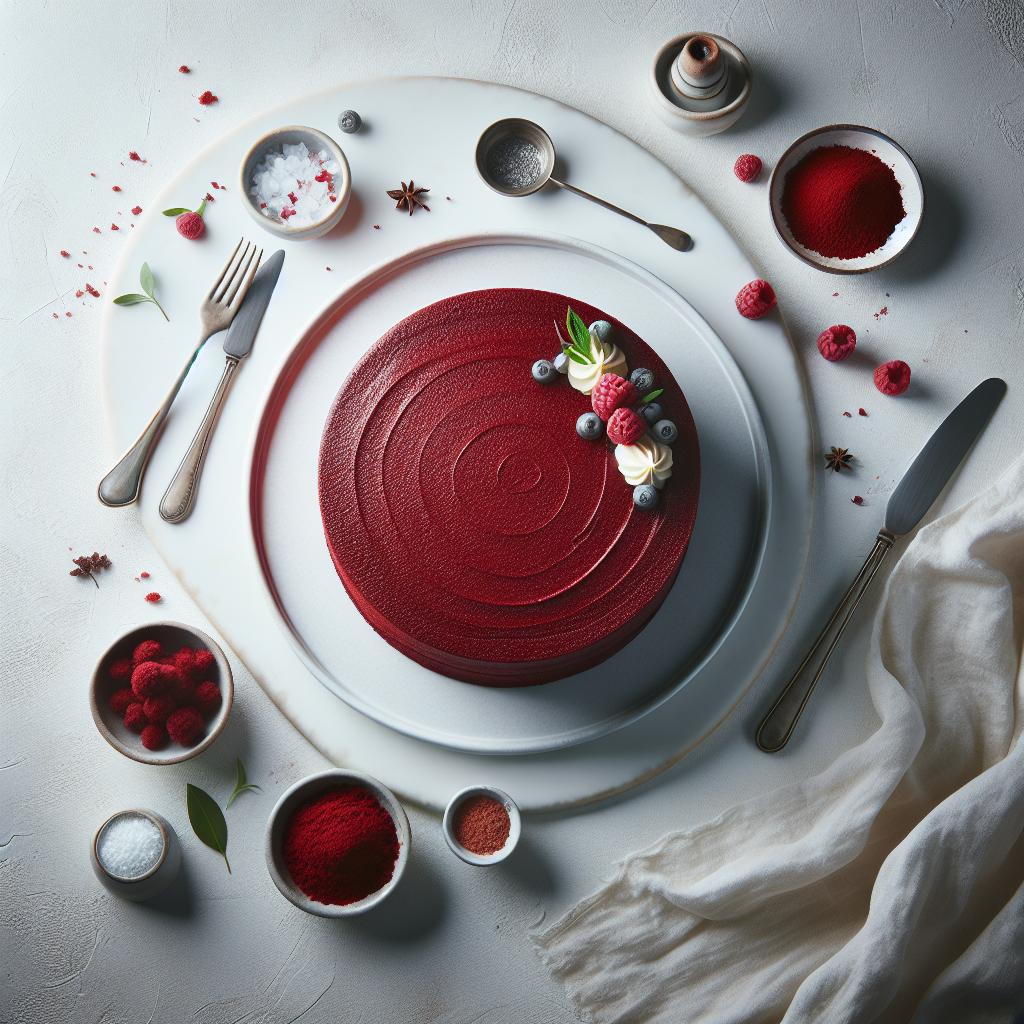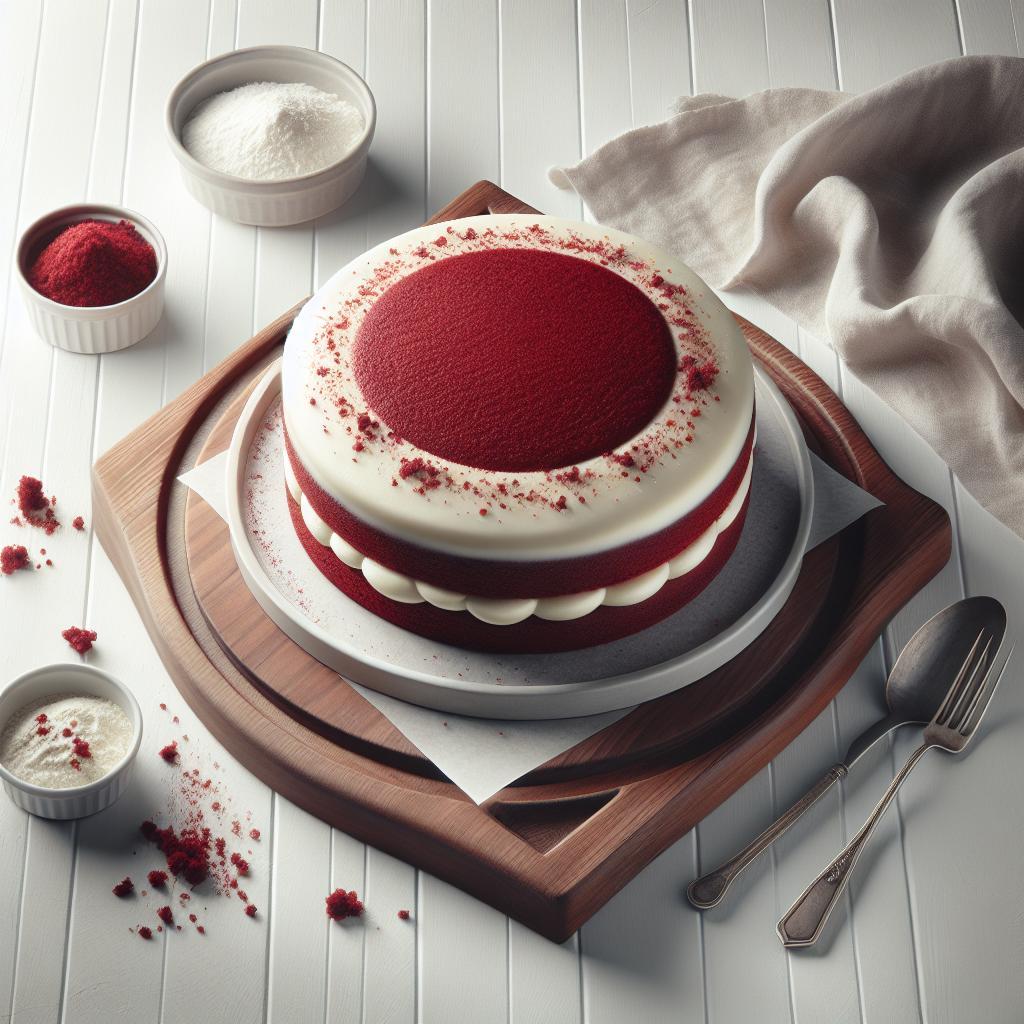

There’s something irresistibly enchanting about a slice of classic red velvet cake-its rich, velvety texture and striking crimson hue evoke a sense of nostalgia and elegance that transcends time. More than just a dessert, red velvet cake is a story baked into layers of tender crumb and cream cheese frosting, a culinary masterpiece that marries subtle cocoa notes with a hint of tangy sweetness. In this article, we invite you to indulge in the timeless charm of classic red velvet cake, exploring its origins, the secrets behind its signature flavor, and why it continues to capture hearts and taste buds around the world. Whether you’re a seasoned baker or simply a devoted fan, discover how this iconic cake remains a beloved symbol of celebration and comfort, slice after glorious slice.
- The Origins and Enduring Appeal of Red Velvet Cake
- Prep and Cook Time
- Yield
- Difficulty Level
- Essential Ingredients and Baking Tips for Moistness and Flavor
- Crafting the Perfect Red Velvet Cake From Scratch
- Delightful Frosting Variations to Elevate Your Red Velvet Experience
- Chef’s Notes and Tips for Success
- Serving Suggestions
- Q&A
- The Way Forward
The Origins and Enduring Appeal of Red Velvet Cake
Red Velvet Cake holds a fascinating place in dessert history, renowned for its vibrant hue and velvety crumb. Originating in the early 20th century, this cake’s unique color was initially brought forth by a natural chemical reaction between cocoa powder and acidic ingredients, long before the advent of food coloring. Its enduring appeal lies not only in its striking appearance but also in the perfect balance of a mildly chocolatey flavor paired with a luxuriously smooth texture that captivates every bite. Many bakers, including myself, cherish the nostalgic warmth it evokes-whether it’s part of a festive gathering or a cozy indulgence on a quiet afternoon.
Prep and Cook Time
- Preparation: 20 minutes
- Cook: 30 minutes
- Total Time: 50 minutes
Yield
- 8 to 10 servings
Difficulty Level
- Medium
Essential Ingredients and Baking Tips for Moistness and Flavor
- 2 ½ cups all-purpose flour, sifted
- 1 ½ cups granulated sugar
- 1 teaspoon baking soda
- 1 teaspoon fine salt
- 1 tablespoon unsweetened cocoa powder
- 1 ½ cups vegetable oil
- 1 cup buttermilk, room temperature
- 2 large eggs, room temperature
- 2 tablespoons red food coloring (gel-based preferred)
- 1 teaspoon pure vanilla extract
- 1 teaspoon distilled white vinegar
Crafting the Perfect Red Velvet Cake From Scratch
- Preheat your oven to 350°F (175°C). Grease and flour two 9-inch round cake pans or line them with parchment paper.
- Whisk together the flour, sugar, baking soda, salt, and cocoa powder in a large bowl, ensuring thorough mixing and no lumps for an even crumb.
- In a separate bowl, blend the vegetable oil, buttermilk, eggs, red food coloring, vanilla, and vinegar using a hand mixer on medium speed until smooth and fully combined.
- Gradually add the dry ingredients into the wet mixture, folding gently until batter is smooth but not overmixed-this keeps the cake tender and moist.
- Divide the batter evenly between the prepared pans and smooth the tops with a spatula.
- Bake for 25-30 minutes, or until a toothpick inserted into the center comes out clean. Avoid opening the oven door early to prevent sinking.
- Cool the cakes in the pans for 10 minutes, then turn out onto wire racks to cool completely before frosting.
Delightful Frosting Variations to Elevate Your Red Velvet Experience
Classic cream cheese frosting is the iconic topping for red velvet cake, but experimenting with different frostings can add exciting layers of flavor:
- Classic Cream Cheese Frosting: Blend softened cream cheese, unsalted butter, powdered sugar, and vanilla extract for a tangy, smooth finish.
- White Chocolate Buttercream: A rich alternative combining melted white chocolate with butter and powdered sugar for a luxurious texture.
- Mascarpone and Honey Frosting: For an elegant twist, mix mascarpone cheese with honey and a touch of lemon zest, giving you subtle sweetness and creaminess.
Chef’s Notes and Tips for Success
- Ingredient Temperature: Using room temperature eggs and buttermilk helps batter bind smoothly and encourages even baking.
- Food Coloring: Gel-based red coloring provides vibrant color without altering batter consistency.
- Moisture Boost: Substitute half of the vegetable oil with melted coconut oil for slight coconut notes and extra moisture.
- Make-Ahead: Bake layers a day ahead for reduced stress; wrap tightly and store at room temperature.
- Leveling Tips: Use a serrated knife or cake leveler to even out tops before frosting for professional presentation.
- Common Pitfall: Overmixing dough results in a dense cake; fold ingredients just until combined.
Serving Suggestions
Serve each slice with a generous layer of frosting and a dusting of cocoa powder or finely chopped pecans for crunch. Fresh berries such as raspberries or strawberries make an attractive, tart contrast. For an elevated presentation, a drizzle of dark chocolate ganache or edible flowers adds delightful visual appeal. This cake pairs wonderfully with a cup of chai tea or freshly brewed coffee, making each bite an indulgent moment.
| Nutrient | Per Serving |
|---|---|
| Calories | 420 kcal |
| Protein | 5 g |
| Carbohydrates | 52 g |
| Fat | 22 g |

For those eager to explore more classic American desserts, check out our Classic American Pies Collection. To understand the science behind the perfect cake rise, visit the King Arthur Baking Science Guide.
Q&A
Q&A: Indulge in the Timeless Charm of Classic Red Velvet Cake
Q1: What makes red velvet cake so iconic and timeless?
A1: Red velvet cake captivates with its striking scarlet hue paired with a delicate, tender crumb. Its balance of subtle cocoa flavor and a hint of tangy buttermilk creates a unique taste experience that is both nostalgic and sophisticated. The velvety texture and the contrast of cream cheese frosting complete its enduring appeal.
Q2: Where did red velvet cake originate?
A2: The origins of red velvet cake trace back to the early 20th century in the Southern United States. It gained popularity during the Great Depression, offering a luxurious-looking dessert that used simple pantry ingredients, making it accessible yet elegant-a true testament to Southern hospitality and creativity.
Q3: What ingredients give red velvet cake its signature flavor and texture?
A3: Red velvet cake’s tender crumb comes from a combination of buttermilk, vinegar, and a small amount of cocoa powder. The buttermilk and vinegar create a slight tanginess that balances the sweet frosting, while the cocoa adds subtle depth without overpowering the cake. The recipe also uses butter or oil for moistness and high-quality vanilla extract to round out the flavor.
Q4: Why is cream cheese frosting the classic choice for red velvet cake?
A4: Cream cheese frosting is the perfect counterpart to red velvet cake’s nuanced flavors. Its rich and tangy creaminess complements the cake’s slight cocoa notes and moist crumb, adding a luxurious texture and a subtle tartness that elevates every bite.
Q5: Can red velvet cake be made without artificial food coloring?
A5: Absolutely! While traditional recipes often use red food coloring to achieve that vivid red shade, natural alternatives like beet juice or powdered freeze-dried raspberries can provide a beautiful, earthy tint. These natural options also lend a subtle complexity to the cake’s flavor while keeping it free from synthetic dyes.
Q6: How can one ensure perfect moistness and crumb in homemade red velvet cake?
A6: To achieve a moist and tender red velvet cake, it’s essential to properly measure your ingredients, use fresh buttermilk and baking soda for balanced leavening, and avoid overmixing the batter. Baking at the right temperature and testing doneness with a toothpick ensures a soft crumb without drying out.
Q7: What are some creative twists on the classic red velvet cake without compromising its charm?
A7: Modern bakers often explore creative variations such as layering red velvet cupcakes with mixed berry compote or incorporating toasted nuts into the crumb for texture. Another playful twist is making red velvet cake pops or swirling a hint of chocolate ganache into the cream cheese frosting while preserving the signature flavors and visual appeal.
Q8: How is red velvet cake enjoyed culturally and during celebrations?
A8: Red velvet cake has become a staple at weddings, birthdays, and holidays due to its vibrant color and rich symbolism of love and festivity. Its elegant appearance makes it a show-stopping centerpiece, while its flavor appeals to a wide range of palates, bridging generations and traditions with a shared love for this classic dessert.
The Way Forward
As the luscious layers of classic red velvet cake continue to captivate dessert lovers around the world, it’s clear that this timeless treat is much more than just a pretty slice. Its rich history, unique flavor profile, and velvety texture come together to create an indulgence that transcends trends and generations. Whether you savor it at a celebration or as a quiet moment of comfort, the classic red velvet cake invites you to experience a sweet tradition that never goes out of style-proof that some flavors truly are forever. So next time you crave a dessert that’s as elegant as it is delicious, remember: the charm of red velvet awaits, ready to delight your senses and warm your heart.