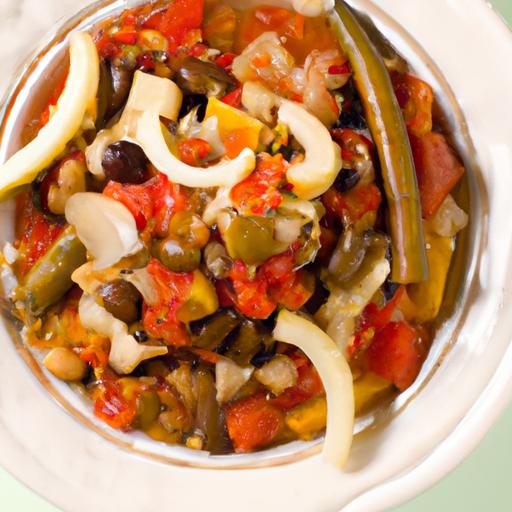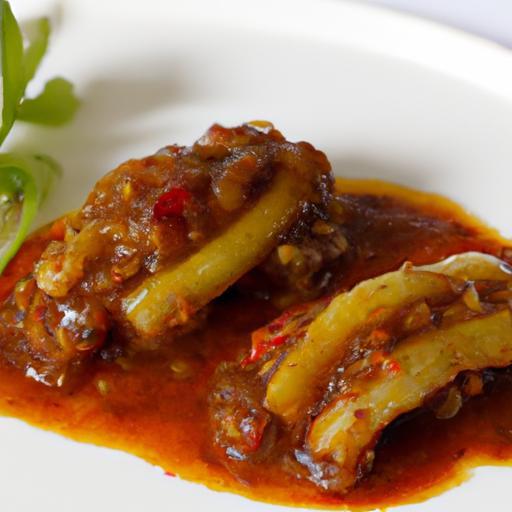

In the heart of West African cuisine lies a pungent treasure that transforms ordinary dishes into soulful feasts: Iru and Dawadawa, the savory secret of fermented locust beans. These humble beans undergo a magical metamorphosis through fermentation, unlocking a deep umami richness that dances on the palate and elevates every stew, soup, and sauce. More than just an ingredient, Iru and Dawadawa are cultural icons-steeped in tradition, heritage, and the art of slow transformation. Join us as we unravel the fascinating story behind these ancient condiments, exploring their origins, their legendary flavors, and the vital role they play in kitchens from Nigeria to Ghana and beyond. Whether you’re a curious foodie or a culinary adventurer, prepare to discover how fermented locust beans carry the savory soul of West African cooking in every bite.
Iru & Dawadawa: The Savory Secret of Fermented Locust Beans
Iru & Dawadawa, the savory secret of fermented locust beans, unlock a world of rich flavors and centuries-old traditions deeply rooted in West African cuisine. These fermented beans bring an unparalleled umami depth, transforming ordinary dishes into culinary masterpieces with their earthy, nutty, and slightly pungent notes. Originating from indigenous fermentation techniques, Iru (popular in Nigeria) and Dawadawa (favored in Ghana and surrounding regions) are treasured not only for their taste but also their cultural significance, passed down through generations as essential spiritual and nutritional staples.
Prep and Cook Time
- Preparation: 10 minutes
- Cooking: 20 minutes
- Total Time: 30 minutes
Yield
Serves 4 as a key ingredient enhancer
Difficulty Level
Medium
Ingredients
- 1 cup dried locust beans (or 3 tbsp fermented Iru or Dawadawa paste)
- 2 tbsp palm oil or vegetable oil
- 1 medium onion, finely chopped
- 2 cloves garlic, minced
- 1 medium tomato, diced
- 1 Scotch bonnet pepper, chopped (optional for heat)
- 1 teaspoon smoked paprika
- 1/2 teaspoon ground crayfish (optional)
- Salt, to taste
- Fresh herbs (such as Uziza leaves or parsley) for garnish
Instructions
- Preparing the Locust Beans: If starting with dried locust beans, soak them overnight to soften. Rinse thoroughly to remove any residual bitterness. In a hot pan, dry-fry the beans gently for 5 minutes until aromatic, stirring frequently to avoid burning.
- Heat the oil: In a skillet, warm the palm oil over medium heat. Add the chopped onions and sauté until golden and fragrant, about 5 minutes, stirring occasionally to prevent sticking.
- Add garlic and tomato: Stir in the minced garlic and diced tomato, cooking down for 3-4 minutes until the tomato softens and the mixture thickens slightly.
- Incorporate heat and spices: Mix in chopped Scotch bonnet pepper and smoked paprika, allowing spices to bloom and release aroma with the mixture for 2 minutes.
- Introduce Iru or Dawadawa: Add the prepared locust beans or fermented paste into the skillet. Stir thoroughly to meld the flavors, cooking for an additional 5 minutes to warm through and encourage flavor development.
- Season and finish: Season with salt and add ground crayfish if using. Stir well, then remove from heat.
- Garnish and serve: Transfer to a serving dish and garnish with fresh herbs such as Uziza leaves for an authentic touch.
Chef’s Notes
- Variations: You can substitute palm oil with neutral vegetable oil for a milder taste, though palm oil offers an authentic color and depth.
- Substitutions: If Iru or Dawadawa is unavailable, try using fermented soybean paste sparingly, but expect a different flavor profile.
- Storing: Fermented locust beans paste can be refrigerated in an airtight container for up to 3 months, intensifying flavor over time.
- Make-ahead: Prepare the sautéed onion, tomato, and spice base in advance; add fresh Iru or Dawadawa just before serving to maintain pungency.
- Troubleshooting: If flavors seem too intense, balance with a squeeze of fresh lime or a touch of honey to temper the pungency without losing authenticity.
Serving Suggestions
For an authentic experience, pair this Iru & Dawadawa infused sauce with classic accompaniments like Jollof Rice or fufu. Use the sauce as a bold layer in stews, soups, or grilled proteins to boost umami depth. Garnish with fresh herbs and chopped red onions for brightness and texture contrast. A side of fried plantains offers a sweet balance to the savory intensity, making your meal unforgettable.

| Nutrient | Per Serving |
|---|---|
| Calories | 120 kcal |
| Protein | 9 g |
| Carbohydrates | 15 g |
| Fat | 5 g |
Q&A
Q&A: Iru & Dawadawa – The Savory Secret of Fermented Locust Beans
Q1: What exactly are Iru and Dawadawa?
A1: Iru and Dawadawa are traditional West African seasonings made from fermented locust beans. These pungent, protein-rich condiments have been cherished for centuries, lending a deep umami flavor to soups and stews across Nigeria, Ghana, and beyond.
Q2: How are these beans transformed into Iru and Dawadawa?
A2: The journey begins with fresh locust beans, harvested from the African locust bean tree. After thorough cleaning, the beans are boiled to soften and loosen their hard shells. The shells are removed, and the beans are wrapped in leaves and left to ferment for several days. This natural fermentation process unlocks complex flavors and a distinctive aroma that defines Iru and Dawadawa.
Q3: What does fermentation do to locust beans?
A3: Fermentation breaks down the beans’ proteins and carbohydrates, producing savory compounds that create the rich, meaty taste. It also boosts nutritional value by increasing digestibility and enriching the beans with beneficial microorganisms.
Q4: How are Iru and Dawadawa used in cooking?
A4: Both condiments are commonly crumbled or grated into traditional stews, soups, and sauces, such as Nigerian egusi soup or Ghanaian groundnut soup. They act as natural flavor enhancers, much like soy sauce or miso in Asian cuisines, delivering depth and that irresistible umami punch.
Q5: Are Iru and Dawadawa the same thing?
A5: While the terms are often used interchangeably, subtle regional differences exist. For example, “Iru” is chiefly a Yoruba term from Nigeria, whereas “Dawadawa” is used more broadly across West Africa. The preparation methods and consistency might vary slightly depending on local preferences.
Q6: Is there a nutritional benefit to including Iru or Dawadawa in your diet?
A6: Absolutely! These fermented beans are packed with protein, essential amino acids, vitamins, and minerals. Moreover, the fermentation process contributes probiotics, fostering gut health alongside tantalizing your taste buds.
Q7: Can Iru or Dawadawa be found outside West Africa?
A7: Yes, with the rise of global culinary curiosity, many international markets and specialty stores now stock these fermented delights. They can also be ordered online, inviting adventurous food lovers worldwide to savor authentic West African flavors.
Q8: How can someone new to these seasonings start incorporating them into their cooking?
A8: Start small-crumble a tiny amount into stews, rice dishes, or vegetable sautés to introduce the savory complexity. Pairing Iru or Dawadawa with familiar ingredients can ease the transition and open up a new world of savory sensation.
Q9: Are there any tips for storing Iru or Dawadawa?
A9: Because of their fermentation, these seasonings have a long shelf life and can be kept refrigerated or in a cool, dry place. Always use a clean spoon to avoid contamination, and their aroma will become a welcome signature scent in your kitchen.
Q10: Why should food enthusiasts explore the secret of Iru and Dawadawa?
A10: Exploring Iru and Dawadawa is like unlocking a culinary treasure chest-infusing dishes with history, culture, and unforgettable umami. They embody tradition and innovation, offering a savory secret that transforms simple meals into taste adventures that speak of West Africa’s rich gastronomic soul.
Future Outlook
In the intricate tapestry of West African cuisine, iru and dawadawa stand out as flavorful threads woven through generations, lending depth and character to countless dishes. These humble fermented locust beans are more than just ingredients-they are living traditions that carry the wisdom of fermentation, the artistry of preservation, and the spirit of community. As we peel back the layers of their pungent aroma and rich umami taste, we discover not only a culinary secret but a cultural legacy that continues to nourish both body and soul. Embracing iru and dawadawa is an invitation to savor history itself, one savory bite at a time.