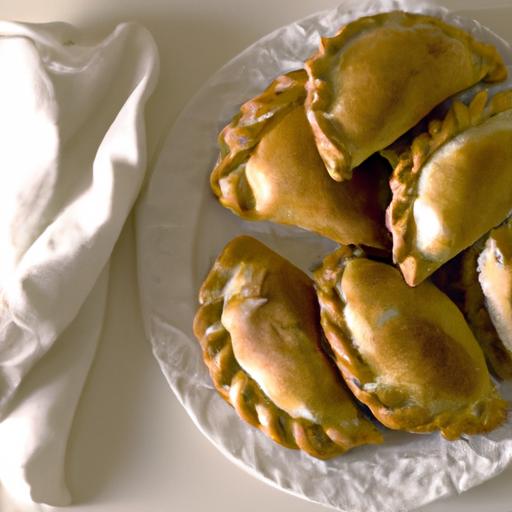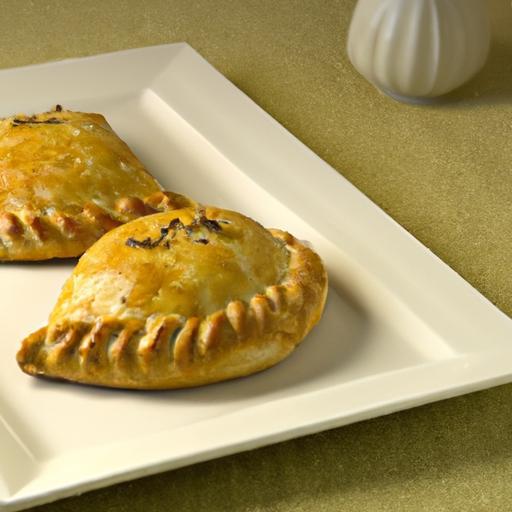

Nestled deep within the forests and lakes of Finland lies a culinary treasure that has been warming hearths and hearts for centuries-the Karelian pasty. This humble yet enchanting pastry, with its golden rye crust cradling creamy fillings of rice, potatoes, or carrots, is much more than just a snack; it’s a mouthwatering testament to the rugged landscapes and rich traditions of the Karelian region. As you take your first bite, you embark on a journey through Finnish heritage, where simplicity meets soulful flavor in each flaky, tender fold. Join us as we uncover the story, artistry, and timeless appeal of Finland’s rustic culinary gem: the Karelian pasty.
Karelian Pasty is an exquisite example of Finland’s rustic culinary heritage, crafted with simple, authentic ingredients that evoke the northern countryside’s spirit. This traditional delicacy, originally hailing from the Karelia region, combines a thin rye crust with a creamy rice or potato filling, delivering a comforting yet distinct flavor that has enchanted locals and travelers alike for centuries. Imagine biting into a warm, oven-baked pasty, the crust tender yet slightly crisp, contrasting beautifully with the rich and buttery filling-each element telling a story of resilience, tradition, and unpretentious goodness.
Prep and Cook Time
Preparation: 30 minutes
Cooking: 50 minutes
Total: 1 hour 20 minutes
Yield
Makes approximately 20 traditional-sized pasties (serves 6-8)
Difficulty Level
Medium – Requires some experience with shaping dough and careful attention to baking time.
Ingredients
- For the Rye Crust:
- 2 ½ cups rye flour
- 1 cup all-purpose flour, sifted
- 1 teaspoon salt
- ¾ cup lukewarm water
- 2 tablespoons melted butter
- For the Filling:
- 1 cup short-grain rice (or pearl barley for a variation)
- 3 cups whole milk
- 2 tablespoons unsalted butter
- 1 teaspoon salt
- To Serve:
- Butter, melted (preferably Finnish butter, for authenticity)
- Chopped hard-boiled egg (optional garnish)
Instructions
- Prepare the Filling: Rinse the rice under cold water until clear. In a medium saucepan, combine the rice and milk. Bring to a gentle boil, then reduce to low heat. Simmer uncovered, stirring frequently, until the rice is tender and the mixture thickens (about 25 minutes). Add salt and butter; stir until melted and well combined. Set aside to cool.
- Make the Dough: In a large bowl, combine rye flour, all-purpose flour, and salt. Gradually add lukewarm water and melted butter, mixing until a firm dough forms. Knead lightly on a floured surface for about 5 minutes until smooth and elastic. Cover with a damp cloth and let rest for 15 minutes to relax the gluten.
- Shape the Pasty Shells: Divide the dough into 20 equal pieces. Roll each piece into a thin oval (about 4-5 inches long, 3 inches wide). The thinner the crust, the crispier the final pasty will be. Keep the dough covered to prevent drying.
- Fill the Pasties: Place a heaping tablespoon of cooled rice filling in the center of each oval. Using your fingers, fold the edges of the dough over the filling, pleating the sides as you go to create the traditional fluted edge. The pasty should be open-faced on top, exposing the filling.
- Bake to Perfection: Preheat your oven to 500°F (260°C) or as hot as it can reliably go. Place the pasties on a parchment-lined or lightly greased baking sheet. Bake for 10 minutes, then reduce the heat to 400°F (200°C). Continue baking for another 35-40 minutes until the crust is golden and crisp and the filling is bubbling gently.
- Final Touch: As soon as the pasties come out of the oven, brush generously with melted butter. This step adds that signature silky richness and a slight shine to your creation. Serve warm, optionally topped with finely chopped hard-boiled egg for an authentic touch.
Chef’s Notes
- The rye crust can sometimes feel dense; rolling dough as thin as possible helps balance texture with the creamy filling.
- For a vegetarian variation, try substituting the rice with mashed potatoes or a mix of potatoes and carrots.
- If you want a richer flavor, replace water with warm milk in the dough preparation.
- Make-ahead tip: The filling can be prepared a day in advance and refrigerated; just bring it to room temperature before assembling.
- Watch the baking closely; ovens vary, and you want that delicate crispness without over-browning.
Serving Suggestions
Serve the Karelian pasty warm, with a generous pat of softened Finnish butter melting into every bite. Traditionally, they’re accompanied by boiled eggs chopped finely and sprinkled on top, adding a lovely contrast of texture and color. These pasties pair wonderfully with a cup of strong black coffee or Finnish berry juice. For a delightful meal, complement with cloudberry jam to gift a subtle sweetness that harmonizes with the nutty rye crust.
| Nutrient | Amount (per pasty) |
|---|---|
| Calories | 180 kcal |
| Protein | 5 g |
| Carbohydrates | 32 g |
| Fat | 4 g |

Explore more Finnish culinary gems and rustic recipes on our Traditional Finnish Recipes page, and dive deeper into the rich heritage of Nordic cuisine. For an in-depth cultural background, visit Visit Finland’s official site.
Q&A
Q&A: Karelian Pasty – Discover Finland’s Rustic Culinary Gem
Q1: What exactly is a Karelian pasty?
A1: The Karelian pasty, or Karjalanpiirakka in Finnish, is a traditional Finnish pastry with humble, rustic origins from the Karelia region. It’s an oval-shaped, thin rye crust filled typically with rice porridge, mashed potatoes, or carrots, baked to golden perfection. This simple yet hearty treat is a beloved symbol of Finnish culinary heritage.
Q2: How did the Karelian pasty become a Finnish staple?
A2: Originally from Karelia, a historically contested border area between Finland and Russia, the pasty reflects a melding of cultural influences. As evacuees from Karelia settled across Finland during the wars of the 20th century, they brought this cherished recipe with them. Over time, Karelian pasties became a nationwide delight, evoking nostalgia and regional pride.
Q3: What makes the Karelian pasty unique compared to other pastries?
A3: Its signature rye crust is thinner and less sweet than typical Western pastries, offering a distinct earthiness and crispiness. Unlike flaky or buttery pastries, the rye shell provides a pleasantly chewy texture that packs a punch of whole grain flavor, perfectly complementing the creamy, delicate filling inside. This combination creates a rustic, balanced bite that’s both wholesome and satisfying.
Q4: How is a traditional Karelian pasty made?
A4: The magic starts with a sturdy rye dough rolled thin and shaped into small ovals. A creamy rice porridge filling is then spooned into the center. The edges of the dough are carefully pinched and crimped to hug the filling like a protective cradle. After baking, the pasties are brushed with melted butter, which seeps into the crust, adding richness and a mouthwatering sheen.
Q5: Can you customize the filling, or must it be rice?
A5: While rice porridge is the classic filling, variations abound to suit different tastes and seasons. Mashed potatoes infused with butter and cream create a comforting alternative, while carrot fillings bring a subtle sweetness. Some modern takes even experiment with mushrooms or wild berries, but the authentic versions remain steadfast in simplicity.
Q6: How is the Karelian pasty traditionally served?
A6: The traditional Finnish way is to serve Karjalanpiirakka with a generous spread of egg butter, called munavoi – a mixture of boiled eggs and butter mashed together. The creamy topping contrasts beautifully with the earthy rye crust and the mild filling, making each bite a luscious harmony of textures and flavors. It’s often enjoyed as a snack, breakfast, or alongside soup.
Q7: Where can travelers experience authentic Karelian pasties in Finland?
A7: Virtually every bakery and café across Finland pays homage to this culinary treasure. For an authentic experience, head to artisan bakeries in Helsinki or venture to Eastern Finland near the Karelian border. Festivals celebrating Karelian culture also showcase these pastries freshly baked, inviting visitors to taste a slice of Finnish history.
Q8: Why has the Karelian pasty endured as a cultural icon?
A8: More than just food, the Karelian pasty embodies resilience, tradition, and regional identity. Its simplicity honors the resourcefulness of Finnish ancestors who thrived on limited ingredients, and its comforting taste connects generations. Today, it’s a proud emblem of Finnish heritage, carrying stories of home and hearth with every bite.
Enjoy discovering the Karelian pasty – a small but mighty symbol of Finland’s rustic culinary heart!
Key Takeaways
As you close the pages on the story of the Karelian pasty, you carry with you more than just a recipe-you hold a piece of Finland’s rich cultural tapestry. This humble, handcrafted pastry, with its tender rye crust and comforting rice filling, invites you to taste centuries of tradition baked into every bite. Whether enjoyed fresh from the oven or paired with a dollop of creamy egg butter, the Karelian pasty is more than a meal; it’s a rustic culinary gem illuminating the heart of Finnish heritage. So next time you seek a dish that whispers tales of northern forests and quiet lakesides, let the Karelian pasty be your savory guide to Finland’s soul.