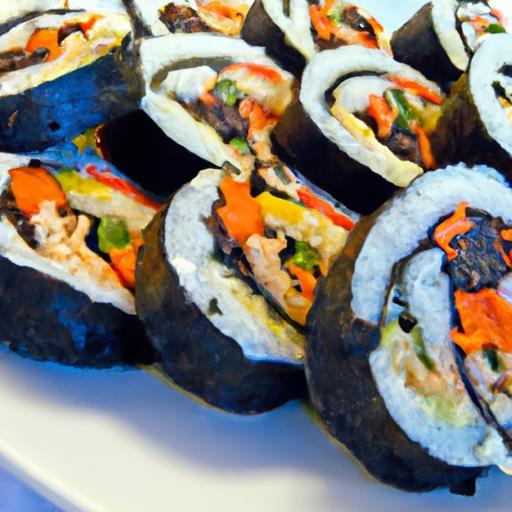

There’s a quiet magic rolled up in every slice of Korean kimbap-a harmonious blend of flavors, colors, and textures that tells a story of tradition and taste. More than just a lunchbox favorite, kimbap is a beloved culinary art form, treasured for its balance and beauty. But mastering this delicate craft goes beyond simply wrapping rice and fillings in seaweed; it’s about understanding the rhythm of each ingredient and the subtle techniques that turn humble staples into a vibrant masterpiece. In this step-by-step guide, you’ll embark on a flavorful journey to create authentic Korean kimbap, unlocking secrets passed down through generations and discovering how to roll, slice, and savor an iconic dish that’s as much a feast for the eyes as it is for the palate.
Master the Art of Authentic Korean Kimbap begins with selecting the freshest, highest quality ingredients that honor tradition while inviting your personal touch. This beloved Korean dish, often described as a visual feast and delightful harmony of flavors, originated as a convenient yet wholesome meal for picnics and travel. Its appeal lies not just in the vibrant rolls but in the precision of texture and balance of seasoning that come from skillful preparation.
Prep and Cook Time
Preparation: 30 minutes
Cooking: 20 minutes
Total Time: 50 minutes
Yield
Makes 4-6 rolls, serving 4 to 6 people
Difficulty Level
Medium – Perfect for those ready to advance from beginner sushi rolling to authentic Korean rolling techniques
Ingredients
- 2 cups short-grain Korean rice, rinsed thoroughly until the water runs clear
- 2 ½ cups water for cooking rice
- 2 teaspoons sesame oil, toasted for seasoning the rice
- 1 teaspoon salt, to enhance rice flavor
- 4 sheets dried seaweed (gim/nori), high quality and thin for wrapping
- 5 eggs, beaten and seasoned with a pinch of salt (for egg strips)
- 1 large cucumber, julienned and lightly salted to reduce moisture
- 2 medium carrots, julienned
- 100g spinach, blanched and squeezed dry
- 100g cooked beef bulgogi or substitute with ham or tofu for vegetarian options
- 2 tablespoons soy sauce (for marinating beef or sautéing vegetables)
- 1 tablespoon sugar, optional, for any marinades
- 2 tablespoons vegetable oil, for sautéing
- 1 tablespoon toasted sesame seeds, for garnish
Instructions
- Cook the rice: Rinse the short-grain rice under cold water until translucent. Cook with 2 ½ cups water in a rice cooker or on the stove over low heat until tender (about 20 minutes). Remove from heat and let it rest covered for 10 minutes.
- Season the rice: Transfer rice to a large bowl. Gently fold in 2 teaspoons toasted sesame oil and 1 teaspoon salt while fanning the rice to cool it to a slightly warm temperature. This seasoning is crucial for authentic flavor and stickiness.
- Prepare fillings: Lightly salt cucumber strips and set aside to draw out excess water. Sauté julienned carrots in 1 tablespoon vegetable oil with a pinch of sugar until just tender (about 3-4 minutes). Blanch spinach briefly, rinse with cold water, squeeze thoroughly, and season with a drop of sesame oil and salt.
- Cook egg strips: Beat eggs with salt and cook thinly in a non-stick pan. Slice into long, thin strips once cooled.
- Cook bulgogi or protein of choice: Marinate thinly sliced beef with soy sauce, sugar, and minced garlic for 10 minutes. Stir-fry over medium heat until browned and caramelized, about 5 minutes. Alternatively, prepare ham or tofu, lightly pan-fried with soy sauce.
- Set up rolling station: Place a bamboo sushi mat on a clean surface. Lay a sheet of gim shiny side down. Wet your hands to prevent rice sticking and spread a thin, even layer of rice over the seaweed, leaving about 1 inch at the top bare for sealing.
- Layer fillings: Arrange egg strips, bulgogi, cucumber, carrots, and spinach in neat rows along the edge closest to you.
- Roll with precision: Using the bamboo mat, lift the edge and roll forward firmly but gently to encase the fillings, pressing evenly to form a tight cylinder. When you reach the bare edge, moisten it with water to seal the roll securely.
- Cutting the kimbap: Allow the roll to rest briefly (2-3 minutes) to settle. Using a sharp serrated knife dipped in water, cut the roll into bite-sized pieces (about 1 to 1.5 inches thick). Wipe the knife clean between cuts for neat slices.
- Garnish and serve: Sprinkle with toasted sesame seeds and slice diagonally if you prefer an elegant look. Serve immediately with pickled radish (danmuji) and a side of soy dipping sauce if desired.
Tips for Success
- Rice texture matters: Overcooked rice turns mushy, and undercooked rice won’t stick properly. Use short-grain rice for its natural stickiness.
- Keep fillings dry: Excess moisture from vegetables can make your kimbap soggy. Always salt cucumbers and squeeze spinach well before rolling.
- Rolling technique: Don’t rush the roll. Firm but gentle pressure ensures an attractive shape and prevents fillings from spilling.
- Knife sharpening: A sharp, wet knife is key to cleanly slicing rolls without squashing.
- Variations: Experiment with kimchi, spicy tuna, or cheese for creative twists on classic kimbap.
- Make-ahead: Kimbap is best eaten fresh, but you can prepare and refrigerate rolls. Wrap tightly in plastic and reheat slightly before cutting.
Serving Suggestions
Present your kimbap on a wooden platter with small ramekins of soy sauce and mustard dipping sauce. Garnish with pickled yellow radish slices and a sprinkling of toasted sesame seeds for color and crunch. Serve alongside a bowl of hot Korean seaweed soup for a balanced meal.
| Nutrient | Per Serving (2 pieces) |
|---|---|
| Calories | 180 kcal |
| Protein | 8 g |
| Carbohydrates | 30 g |
| Fat | 4 g |

For an in-depth guide on Korean rice techniques, visit the Maangchi Kimbap Recipe. Also, explore our Guide to Perfect Korean Rice for more expert tips.
Q&A
Q&A: Master the Art of Authentic Korean Kimbap – A Step-by-Step Guide
Q1: What exactly is Korean Kimbap, and how is it different from sushi?
A1: Korean Kimbap is a beloved rice roll wrapped in seaweed, filled with a colorful medley of seasoned vegetables, proteins like egg or beef, and sometimes pickled ingredients. While it may look similar to sushi, kimbap is uniquely Korean – it uses sesame oil-seasoned rice instead of vinegar rice, and typically features cooked or pickled fillings rather than raw fish. It’s a vibrant, savory feast that tells Korea’s story one bite at a time.
Q2: What are the essential ingredients I need to make authentic kimbap at home?
A2: To master authentic kimbap, gather these essentials: short-grain white rice, roasted seaweed (gim), sesame oil, salt, and a variety of fillings such as sweet egg omelet strips, spinach seasoned with garlic and sesame, pickled radish (danmuji), carrots, and cooked beef or crab sticks. The magic lies in both the simplicity and harmony of flavors!
Q3: Is there a special technique to rolling kimbap?
A3: Absolutely! Think of rolling kimbap like painting a masterpiece-precision and care are key. Lay your seaweed sheet shiny side down on a bamboo mat, spread an even layer of rice leaving a small strip uncovered at the top edge, layer your fillings neatly in the center, and then roll tightly using the mat to keep everything snug. Master the gentle pressure; a tight roll means each slice holds its perfect shape, unveiling gorgeous spirals of color.
Q4: How can I make my kimbap fillings flavorful without overpowering the overall taste?
A4: Balance is everything. Lightly season your fillings with natural ingredients like sesame oil, soy sauce, garlic, and a pinch of sugar or salt – never overpower the rice or the seaweed. The goal is harmonious layers where each bite delivers a subtle yet distinct taste that complements the soft, nutty rice and crisp seaweed crunch.
Q5: Any tips for slicing kimbap without squishing it?
A5: Use a sharp, wet knife! Wetting the blade prevents the rice from sticking and helps you cut clean slices with minimal squishing. Slice with a gentle sawing motion to keep those vibrant spirals intact, and voilà – Instagram-worthy rolls ready to impress your friends and family.
Q6: Can kimbap be modified for dietary preferences?
A6: Definitely! Kimbap is wonderfully versatile. For vegetarians, omit meat and use tofu or seasoned mushrooms. If you prefer gluten-free, check your soy sauce or substitute tamari. The essence is creativity-mix and match ingredients while maintaining balance and authenticity.
Q7: How do I store kimbap if I want to prepare it ahead?
A7: Kimbap is best enjoyed fresh, but if you must store it, wrap tightly in plastic wrap and refrigerate. To prevent sogginess, place a paper towel next to the roll inside the wrap to absorb excess moisture. Bring to room temperature before slicing for optimal texture and flavor.
Q8: Any secret ingredient or technique to elevate my homemade kimbap?
A8: Toasting sesame seeds and sprinkling them over your rice before spreading it on the seaweed adds a delightful aroma and texture. Also, lightly brushing the finished roll with sesame oil gives a gorgeous glossy finish and enhances flavor. These subtle touches make your kimbap shine with authentic Korean soul.
Embrace the art of kimbap with patience and passion. Each roll is a journey into Korea’s rich culinary heritage – a canvas for your creativity and a celebration of simple, vibrant flavors. Ready to roll?
To Conclude
As you roll up your sleeves and embark on your kimbap-making journey, remember that each bite carries the essence of Korean tradition wrapped in seaweed and seasoned rice. Mastering the art of authentic Korean kimbap isn’t just about the perfect roll-it’s about embracing a culinary story passed down through generations. With these step-by-step instructions in hand, you’re now equipped to create your own vibrant, flavorful kimbap, turning everyday ingredients into a harmonious feast. So, gather your friends and family, share your creation, and savor the delicious connection that only homemade kimbap can bring. Your kitchen is now a gateway to Korea’s rich and delightful food culture-happy rolling!