
There’s a sizzling secret simmering in kitchens across the world-a culinary dance that transforms humble plantains into crispy, golden delights. Whether ripe and caramelized with natural sweetness or green and starchy with a satisfying crunch, frying plantains is an art form that balances technique, timing, and tradition. In this guide to mastering the art of frying, we’ll explore the distinct magic hidden in ripe versus green plantains, unlocking tips and tricks to achieve perfection every time. Prepare to elevate your frying game and discover how these tropical gems can enchant your palate with vibrant flavors and textures, turning simple ingredients into irresistible masterpieces.
Mastering the Art of Frying: Ripe vs Green Plantains Perfected
Mastering the art of frying ripe vs green plantains perfected truly transforms these humble tropical staples into delectable masterpieces. Whether subtly sweet or satisfyingly starchy, understanding the science behind their ripeness and the technical finesse needed for crisping brings out their best textures and flavors. Plantains are a culinary treasure from the Caribbean and Latin America, cherished for their versatility and vibrant character. This recipe post will unlock how to expertly select oils, control frying temperatures, and apply specific techniques that celebrate both plantain stages-turning everyday frying into a sensory delight.
Prep and Cook Time
- Preparation: 15 minutes
- Cooking: 20 minutes
- Total: 35 minutes
Yield
Serves 4 as a snack or side
Difficulty Level
Medium – requires attentive frying and timing
Ingredients
- 2 large green plantains, peeled and sliced into ¼-inch rounds
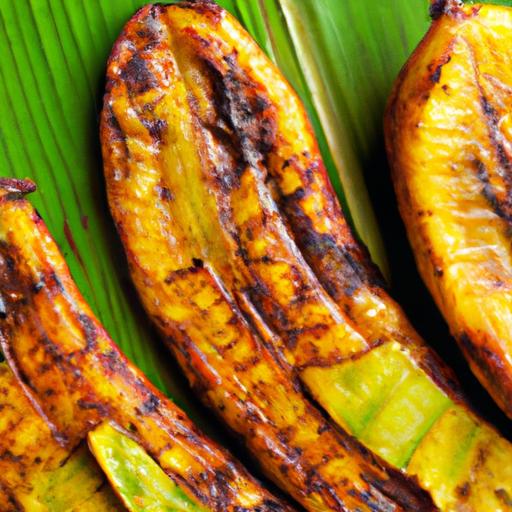
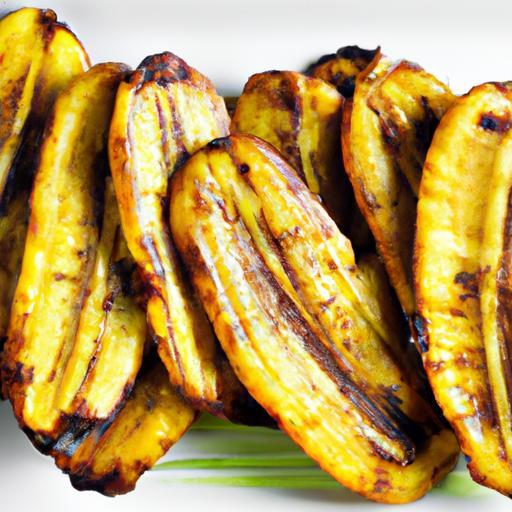
- 2 large ripe plantains (black or mostly yellow with black spots), peeled and sliced diagonally into ½-inch thick pieces
- 2 cups refined avocado oil (or high smoke point oil like peanut or grapeseed)
- 1 teaspoon fine sea salt
- 1 teaspoon smoked paprika (optional, for spicy aroma)
- Fresh lime wedges for garnish
- Chopped fresh cilantro for garnish
Instructions
- Prepare your plantains: Using a sharp knife, carefully peel and slice your green plantains into thin rounds and the ripe ones into slightly thicker diagonal slices. This difference helps balance their moisture and sugar content during frying.
- Heat the oil: In a heavy-bottomed skillet or cast-iron pan, pour the avocado oil and heat over medium-high heat until it reaches 350°F (175°C). Use a thermometer to maintain the temperature for optimal crisping and minimal oil absorption.
- Test the oil temperature: Drop a small piece of plantain into the oil; it should sizzle immediately but not brown too fast. Adjust heat accordingly.
- Fry green plantains first: Add a single layer of green plantain slices. Fry them for about 4-5 minutes per side, turning occasionally, until they are golden and tender but not overly brown. These starchier rounds take longer to become crispy without burning.
- Drain and season green plantains: Remove from the oil with a slotted spoon onto paper towels to absorb excess oil. Immediately sprinkle with half the sea salt and smoked paprika for subtle heat.
- Fry ripe plantains: Lower the heat slightly to 325°F (160°C). Add ripe slices with care, as their higher sugar content can cause faster browning. Fry for 2-3 minutes per side until deeply golden and caramelized. Monitor closely to avoid burning.
- Drain and season ripe plantains: Lift to paper towels, then sprinkle with remaining salt. The sugars will have developed rich, toffee-like notes, a delightful contrast to the green’s earthiness.
- Final touch: Arrange your crisp plantains on a warm serving platter, garnish with fresh chopped cilantro and lime wedges to brighten each bite.
Tips for Success in Mastering the Art of Frying: Ripe vs Green Plantains Perfected
- Monitoring Ripeness: Green plantains are firmer and starchy, requiring longer frying times and slightly higher temperatures. Ripe plantains contain more sugar, which caramelizes quickly, so lower heat is essential to avoid bitterness.
- Oil Choice Matters: Using neutral oils with high smoke points like avocado oil preserves flavor integrity while ensuring crisp texture.
- Maintain Oil Temperature: Constantly check temperature with a candy or deep-fry thermometer to strike the perfect balance between crispiness and internal softness.
- Slice Thickness: Uniform slicing ensures even cooking; thinner rounds for green plantains help them cook through, while thicker slices for ripe plantains enable a luscious, tender inside.
- Make-Ahead Tip: For best results, fry in small batches and serve immediately, but you can reheat gently in a hot oven set to 350°F to revive crispness.
Serving Suggestions
Elevate your plate by serving these golden treats with a vibrant avocado crema or a smoky chipotle aioli for dipping. Pair with grilled meats or fresh ceviche for a tropical meal experience. Garnish liberally with fresh cilantro and a squeeze of lime for a pop of acidity that contrasts beautifully with the caramelized sweetness of ripe plantains and the starchier bite of green ones alike.
| Nutrient | Per Serving | Green Plantain | Ripe Plantain |
|---|---|---|---|
| Calories | 220 kcal | 120 | 100 |
| Protein | 1.5 g | 1 | 0.5 |
| Carbohydrates | 35 g | 28 | 7 |
| Fat | 8 g | 8 | 8 |
Discover more about the culinary chemistry of tropical fruits by visiting ScienceDirect’s article on Plantain Physiology.
For additional tropical-inspired recipes and culinary inspiration, check out our tropical fruit recipes collection.

Q&A
Q&A: Mastering the Art of Frying – Ripe vs Green Plantains Perfected
Q1: What makes frying plantains such a special culinary art?
A1: Frying plantains is like capturing tropical sunshine on a plate. The process transforms their natural starches and sugars into crispy, caramelized delights that tantalize your taste buds. It’s an art because timing, temperature, and choosing the right ripeness all come together to create perfect golden bites with contrasting textures and flavors.
Q2: How do ripe and green plantains differ in taste and texture when fried?
A2: Ripe plantains are sweet and tender, thanks to their higher sugar content. When fried, they caramelize beautifully, turning soft and luscious with a rich, honeyed flavor. Green plantains, on the other hand, are starchier and less sweet. Frying them results in crispy, savory morsels that offer a satisfying bite and a subtly nutty flavor-ideal for savory dishes or dipping sauces.
Q3: Why is the ripeness of a plantain crucial for frying?
A3: Ripeness is the secret ingredient that dictates the final flavor and texture of your fried plantains. Green plantains are firm and starchy, perfect for those who love crunch and a more neutral taste. As plantains ripen, their starches convert to sugars, so the more yellow and spotted they get, the sweeter and softer they become. Picking the right stage ensures your dish matches your craving-be it savory or sweet.
Q4: Can you share a tip for mastering the perfect crispiness in fried green plantains?
A4: Absolutely! To achieve that coveted crispiness, slice your green plantains thinly-think chip-thin or medallions-and fry them twice. The first fry cooks them through at a lower temperature, and the second, hotter fry crisps them up gorgeously. Don’t forget to drain excess oil on paper towels and season immediately with a sprinkle of salt.
Q5: What’s a common mistake people make when frying ripe plantains, and how can it be avoided?
A5: The biggest blunder is cooking ripe plantains at too high a temperature, which causes them to burn on the outside while remaining undercooked inside. To avoid this, fry them over medium heat, turning gently. This slower process caramelizes their sugars evenly, producing that signature golden-brown, melt-in-your-mouth texture without bitterness.
Q6: How can fried plantains be incorporated into meals beyond the traditional snack?
A6: Fried plantains are culinary chameleons! Use ripe fried plantains as a sweet side dish or dessert paired with ice cream or drizzled honey. Green plantains are fantastic as savory bases: layer them in casseroles, crush into tostones for sandwiches, or use as a crunchy accompaniment to protein-heavy dishes. Their versatility makes them suitable for breakfast, lunch, or dinner adventures.
Q7: Any secret ingredient or seasoning that elevates fried plantains?
A7: While simple salt is a classic, a sprinkle of smoked paprika, cinnamon, or a dash of chili powder can add unexpected depth. For a tropical twist, brush fried ripe plantains with a honey-lime glaze. For green plantains, a squeeze of fresh lime juice and a sprinkle of sea salt can brighten their naturally earthy flavor, making every bite sing.
Mastering the art of frying plantains is more than a kitchen skill-it’s a delicious journey through texture, flavor, and cultural tradition. Whether you lean sweet or savory, green or ripe, your frying finesse will transform humble plantains into unforgettable delicacies.
To Conclude
As you embark on your culinary journey to master the art of frying plantains, remember that both ripe and green varieties hold their own unique magic. The golden sweetness of ripe plantains and the crisp, starchy charm of green ones invite endless experimentation and delight. By understanding their distinct textures and flavors, and perfecting your frying technique, you transform this humble fruit into a symphony of taste and texture. So whether you crave a caramelized treat or a crunchy snack, your newfound skills will ensure every bite is a masterpiece. Embrace the sizzle, savor the aroma, and let the dance of the ripe and green plantain elevate your kitchen adventures to a deliciously perfected art.