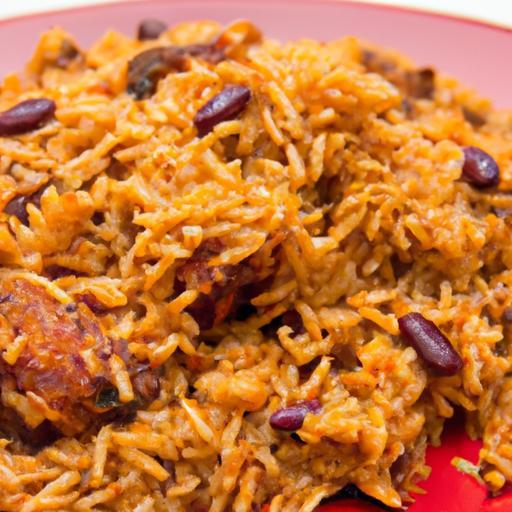

In the vibrant world of West African cuisine, few dishes command as much love and debate as Jollof rice. This iconic, flavorful staple is more than just a meal-it’s a cultural celebration simmering in every pot. But amid the rich tomatoes, spices, and smoky undertones, one critical question often sparks passionate discussions: which rice reigns supreme-parboiled or long grain? Choosing the right rice isn’t just a matter of preference; it’s the secret ingredient that can elevate your Jollof from good to unforgettable. In this article, we’ll unravel the unique qualities of parboiled and long grain rice, guiding you toward the perfect choice for crafting the ultimate Jollof experience.
Parboiled vs Long Grain rice plays a pivotal role in perfecting Jollof rice-a vibrant West African dish loved for its bold flavors and comforting texture. The choice between these rice varieties profoundly influences how the dish absorbs the rich tomato sauce and melds with the spices, delivering either a fluffy or slightly firmer bite. The dance between texture and flavor begins with understanding how each rice performs when simmered in the richly spiced pot.
Prep and Cook Time
- Preparation: 15 minutes
- Cooking: 35-40 minutes
- Total: 50-55 minutes
Yield
- Serves 6 generous portions
Difficulty Level
- Medium – Perfect for cooks ready to elevate their Jollof with precise rice mastery
Ingredients
- 2 cups parboiled or long grain rice, rinsed
- 4 medium tomatoes, blended
- 3 tablespoons tomato paste
- 1 large onion, diced
- 2 bell peppers (red and green), chopped
- 3 cloves garlic, minced
- 1 teaspoon thyme
- 2 bay leaves
- 1 scotch bonnet pepper (optional)
- 3 cups chicken or vegetable stock
- 1/4 cup vegetable oil
- Salt and black pepper to taste
Instructions
- Prepare the Rice: For parboiled rice, rinse thoroughly to remove excess starch; for long grain, rinse and soak for 20 minutes to keep grains separate after cooking.
- Sauté Aromatics: Heat oil in a heavy-bottomed pot over medium heat. Add diced onions and minced garlic, sauté until translucent and fragrant for about 5 minutes.
- Develop the Sauce: Stir in tomato paste, cooking for another 3 minutes to reduce acidity. Add blended tomatoes, bell peppers, thyme, bay leaves, and scotch bonnet. Let it simmer, stirring occasionally, until the sauce thickens and deepens in color, roughly 15 minutes.
- Add Rice and Stock: Drain soaked rice (if using long grain) and stir gently into the sauce. Pour in the stock and season with salt and pepper. Bring to a simmer.
- Cook Covered: Reduce heat to low, cover the pot tightly, and cook without stirring for 20-25 minutes or until the rice is tender and has absorbed the liquid. Avoid lifting the lid frequently to trap steam.
- Rest and Fluff: Remove from heat and let the Jollof rice sit covered for 5-10 minutes. Then, fluff gently with a fork to separate grains and release steam.
Tips for Success
- Rice Choice: Parboiled rice offers a firmer, less sticky texture perfect for absorbing complex spices without clumping, while long grain rice delivers a softer, aromatic bite that marries beautifully with tomato richness.
- Liquid Ratio: Adjust your stock-to-rice ratio depending on the type of rice. Parboiled rice needs slightly more liquid to cook fully.
- Even Cooking: Use a heavy pot with a thick base to distribute heat evenly and prevent burning.
- Layer Flavors: Toast your tomato paste and aromatics longer to deepen savory undertones.
- Make Ahead: Jollof rice reheats wonderfully-keep extra stock on hand for gentle steaming when reheating.
Serving Suggestions
Serve your perfectly fluffy and flavorful Jollof rice alongside grilled chicken, fried plantains, or a fresh cucumber salad. Garnish with chopped fresh parsley or scallions for vibrant color and a burst of freshness. A squeeze of lime or a side of spicy pepper sauce elevates this dish to a festive meal that honors tradition.
| Nutrient | Per Serving |
|---|---|
| Calories | 340 kcal |
| Protein | 6 g |
| Carbohydrates | 58 g |
| Fat | 7 g |
Discover more rice preparation techniques in our Mastering African Rice Dishes guide and deepen your culinary journey. For further detail on rice varieties, check the comprehensive resource at USA Rice Federation.

Q&A
Q&A: Parboiled vs Long Grain – Choosing Rice for Perfect Jollof
Q1: What makes rice such a crucial ingredient in making perfect Jollof?
A1: Rice is the heart and soul of Jollof-it’s the canvas that soaks up the rich, spicy tomato base and aromatic seasonings. The texture and type of rice you choose can elevate your dish from ordinary to extraordinary, influencing moisture absorption, fluffiness, and the iconic “party rice” appeal.
Q2: How does parboiled rice differ from long grain rice in texture and cooking properties?
A2: Parboiled rice undergoes a special steaming and drying process, making its grains firmer and less sticky once cooked. It’s great for absorbing flavors without falling apart. Long grain rice, on the other hand, cooks up light, fluffy, and separate, offering a more delicate bite and traditional crumbly texture.
Q3: Which type of rice is better for traditional West African Jollof?
A3: It really depends on your preferred texture! Parboiled rice is beloved for its ability to hold shape under intense simmering, making it a favorite among many Jollof aficionados who want clean, distinct grains. Long grain rice, like basmati, creates a lighter, fluffier pot, giving a different but equally delicious experience.
Q4: Does the choice between parboiled and long grain affect cooking time?
A4: Yes! Parboiled rice typically takes a bit longer to cook due to its tougher grain structure. Long grain rice cooks relatively quickly but can be trickier to get just right, especially in a saucy Jollof. Adjusting cooking times and liquid ratios is key for each type.
Q5: Can using parboiled or long grain rice influence the flavor of my Jollof?
A5: While rice itself has a subtle flavor, parboiled rice tends to have a nuttier, earthier tone thanks to its processing. Long grain rice offers a more neutral base that lets the tomato and spices shine. Your choice can subtly tweak the overall taste profile of your dish.
Q6: Is one type healthier than the other?
A6: Parboiled rice retains more nutrients-like B vitamins and minerals-due to its steaming process, giving it a slight nutritional edge. Long grain white rice is more refined and generally lower in fiber and micronutrients, though brown long grain rice offers a healthier twist if you prefer.
Q7: How can I decide which rice to use if I want authentic Jollof flavors?
A7: Consider your textural preference and the cooking method. If you like firm grains that absorb sauce but don’t clump, go parboiled. If you want fluffy, fragrant rice with a lighter bite, long grain varieties (especially basmati) are your go-to. Experimenting with both can help you craft your ultimate Jollof masterpiece.
Q8: Any tips for cooking Jollof rice perfectly with either type?
A8: Absolutely! For parboiled rice, rinse well to remove excess starch, use slightly less water, and simmer gently to retain firmness. For long grain, soak briefly to prevent breakage, adjust water carefully, and avoid excessive stirring to keep grains separate. Patience and practice make perfect!
Choosing the right rice for your Jollof isn’t just a simple swap-it’s the difference between okay and outstanding. Whether parboiled or long grain, understanding their unique qualities will guide you to that unforgettable, crowd-pleasing pot of Jollof rice every time.
Wrapping Up
As the irresistible aroma of Jollof rice fills your kitchen, the choice between parboiled and long grain rice becomes more than just a cooking decision-it’s the key to unlocking your perfect plate. Whether you crave the firm, separate grains of parboiled rice that hold their shape amidst the vibrant tomato stew, or the soft, fluffy texture of long grain rice that soaks up every flavorful drop, understanding these rice varieties empowers you to tailor Jollof to your taste. So next time you embark on your Jollof journey, remember: the rice you choose is the silent partner in your culinary symphony, shaping every bite and making every spoonful a celebration of West African heritage. Choose wisely, cook passionately, and savor the magic that is perfect Jollof rice.