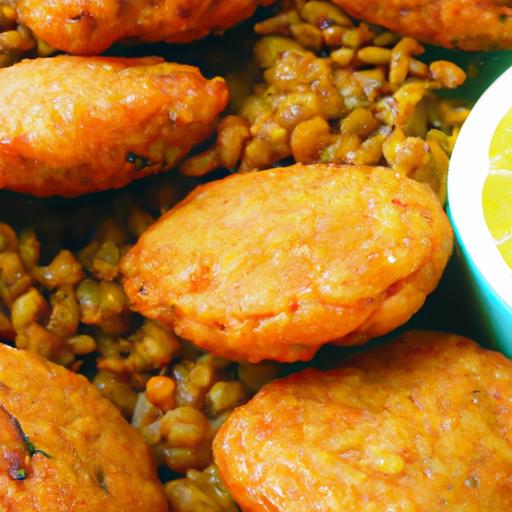

There’s a secret art hidden in every crispy, golden vada that tempts your taste buds – the perfect lentil grind. Achieving that ideal batter texture is the cornerstone of making vadas irresistibly light, crisp, and flavorful. Whether you’re a seasoned cook or a curious beginner, mastering the nuances of lentil grinding can elevate your vada game from good to legendary. In this article, we’ll dive deep into the best lentil grinding tips that unlock the secret to batter bliss – ensuring each bite delivers that quintessential crunch and melt-in-your-mouth magic. Get ready to transform humble lentils into a culinary masterpiece!
Perfect Lentil Grinding Tips for Crispy Vada Batter Bliss
Perfect lentil grinding tips for crispy vada batter bliss unlock the secret to creating golden, crunchy delights that melt in your mouth with every bite. Originating from South India, vadas are beloved savory fritters often enjoyed at breakfast or as snacks. My journey toward mastering the art of vada began with countless kitchen experiments and simple adjustments that transformed humble lentils into a light, airy batter-perfectly crispy on the outside, soft inside. This guide distills all those secrets into easy, actionable steps to elevate your vada game.
Prep and Cook Time
- Preparation: 12 hours (including soaking and fermentation)
- Active Cooking: 20 minutes
- Total Time: Approximately 12 hours 30 minutes
Yield
- About 15 medium-sized vadas
Difficulty Level
- Medium – requires some attention to soaking and batter consistency
Ingredients
- 1 cup split black gram (urad dal), skin removed
- 1 teaspoon fenugreek seeds (methi seeds)
- 1/2 teaspoon salt, or to taste
- 1/4 teaspoon asafoetida (hing)
- 2 green chilies, finely chopped (optional)
- 1 teaspoon finely chopped fresh ginger
- 2 tablespoons freshly chopped curry leaves
- 1 tablespoon chopped coriander leaves (cilantro)
- Oil for deep frying
Instructions
- Start by rinsing the split black gram thoroughly under cold running water until the water runs clear to remove impurities and starch.
- Combine urad dal and fenugreek seeds in a bowl and soak in plenty of cold water for at least 8-10 hours or overnight. This extended soak enhances softness and fermentation quality.
- Drain the lentils well, reserving minimal water. Using a wet grinder or high-powered blender, grind the soaked lentils with fenugreek to a smooth, fluffy batter. Add only small amounts of cold water as needed to maintain thick, yet flowing consistency. Avoid excess water which leads to soggy vadas.
- Beat the batter vigorously by hand or with a spatula for 5-7 minutes until it increases slightly in volume and becomes airy. This aeration is key for fluffy vadas.
- Add salt, asafoetida, chopped green chilies, ginger, curry leaves, and coriander to the batter and gently fold through.
- Cover the batter with a clean kitchen towel or plastic wrap and keep in a warm place for 8 hours or until it ferments and doubles in size. This slow fermentation is essential to develop the characteristic flavor and texture.
- Heat oil in a deep heavy-bottomed pan to about 350°F (175°C). Test temperature by dropping a small batter dollop-if it rises immediately and bubbles steadily, the oil is ready.
- Wet your hands lightly and shape a small portion of the batter into a round ball, then flatten slightly and, if desired, make a small hole in the center (medu vada style).
- Carefully slide the shaped batter into hot oil and fry vadas in small batches. Fry, turning occasionally, until they turn golden brown and crisp (about 4-5 minutes per batch).
- Remove with a slotted spoon and drain on absorbent paper towels to discard excess oil, preserving their crispness.
Tips for Success Using Perfect Lentil Grinding Tips for Crispy Vada Batter Bliss
- Opt for fresh urad dal: Fresh lentils yield a creamier and fluffier batter essential for crispy vadas.
- Soak fenugreek seeds: This small addition helps with fermentation and lends a subtle aroma.
- Use cold water during grinding: Cold water maintains the batter’s temperature, encouraging aeration and preventing it from warming up.
- Aerate batter well: Whipping the batter after grinding traps air bubbles providing lovely crisp texture.
- Monitor oil temperature: Too hot oil burns vadas outside and lets the inside remain uncooked; too cool absorbs more oil leading to sogginess.
- Allow adequate fermentation: Patience enhances flavor and improves texture dramatically.
- Make ahead tip: Store the fermented batter in the refrigerator and fry fresh vadas when ready to serve.
Serving Suggestions
Enjoy vadas piping hot, paired traditionally with coconut chutney and tangy sambar to elevate every bite. Garnish a serving plate with fresh curry leaves and a sprinkle of finely chopped coriander for color and freshness. For a twist, serve with tomato or mint chutney as complementary dips. These savory fritters also shine in festive thalis or as a crispy snack alongside a hot cup of South Indian filter coffee.

Nutrition Information (Per Vada Approximation)
| Calories | Protein | Carbohydrates | Fat |
|---|---|---|---|
| 85 kcal | 4.2 g | 11 g | 3.5 g |
Explore more on Serious Eats’ definitive guide to South Indian vada, and dive deeper into the intricacies that make these fritters unforgettable. For a related exploration, check out our Healthy Lentil Recipes Collection to keep the wholesome flavors flowing in your kitchen.
Q&A
Q&A: Perfect Lentil Grinding Tips for Crispy Vada Batter Bliss
Q1: Why is the lentil grinding process so crucial for making crispy vada?
A1: Grinding lentils to the right consistency is the heartbeat of crispy vada. Properly ground lentils create a batter that is airy and light, allowing the vada to puff up and develop that irresistible, crunchy exterior. Too coarse or too fine, and the texture suffers-either heavy and dense or too soggy to crisp.
Q2: Which type of lentils should I use for the best vada batter?
A2: The classic and foolproof choice is split urad dal (black gram). Its unique starch and protein composition make it the perfect candidate for fluffy, crunchy vadas. Make sure to soak them well-typically 4 to 6 hours-to soften and prepare them for grinding.
Q3: How long should I soak the lentils before grinding?
A3: Soaking lentils for a minimum of 4 hours is ideal. This softens the lentils enough to grind easily and releases natural starches, which helps achieve a fluffy batter. Some even prefer overnight soaking for an ultra-smooth consistency.
Q4: Should I grind lentils wet or dry?
A4: Always grind lentils with water! It’s called wet grinding and it’s essential for creating a smooth, fluffy batter that traps air. Adding just enough cold water while grinding helps build the desired texture-too much water makes batter runny, too little makes it stiff.
Q5: What’s the secret water-to-lentil ratio for perfect grinding?
A5: The goal is a thick but flowing batter-roughly 1:1 by volume can be a good start. Add water slowly while grinding; it’s easier to adjust texture little by little than to fix a watery slurry. The batter should drop from the spoon slowly, holding shape rather than running off like water.
Q6: Should I use a traditional stone grinder or modern blender?
A6: Stone grinders remain the gold standard, delivering a smooth batter with good aeration and preserving flavors. But a high-powered blender can work too-just be mindful not to overheat the batter, as heat kills the natural fermentation agents that aid fluffiness.
Q7: How do I know when the batter is perfectly ground?
A7: Look for a batter that is light, fluffy, and smooth with a slight graininess from the urad dal. When you scoop and lift the batter with a spoon, it should flow slowly and hold a thick ribbon shape without breaking immediately.
Q8: Any tips for enhancing crispiness after grinding?
A8: Yes! After grinding, aerate the batter by whisking vigorously with a spatula or your hand. Let the batter rest at room temperature for 30 minutes to ferment slightly; the natural fermentation helps create tiny air bubbles. Also, add a pinch of baking soda or semolina for extra crunch.
Q9: Can I store the batter for later use?
A9: You can refrigerate the batter for up to 24 hours, but crispiness is best when the batter is freshly ground and slightly fermented. If refrigerated, bring it back to room temperature and gently mix before frying.
Q10: Any final secret for that perfect vada crunch?
A10: Beyond the batter, hot oil and the right frying technique are key. Drop batter gently into oil that’s hot (around 350°F/175°C) and fry in batches without overcrowding. The perfect batter paired with the right heat makes your vada crackle with crispy, golden bliss!
Unlock these grinding secrets, and your kitchen will sing with the crispy crunch of heavenly vadas every time!
Concluding Remarks
Mastering the art of grinding lentils to perfect crispness is the secret ingredient to vada batter bliss. With these expert tips in hand, you’re now equipped to transform simple pulses into a golden, crunchy delight that sings with every bite. So, next time you embark on your vada-making adventure, remember: patience in grinding, the right soaking time, and just enough water can turn humble lentils into a symphony of textures and flavors. Here’s to many crispy, crunchy, and utterly irresistible vadas-because great batter makes all the difference!