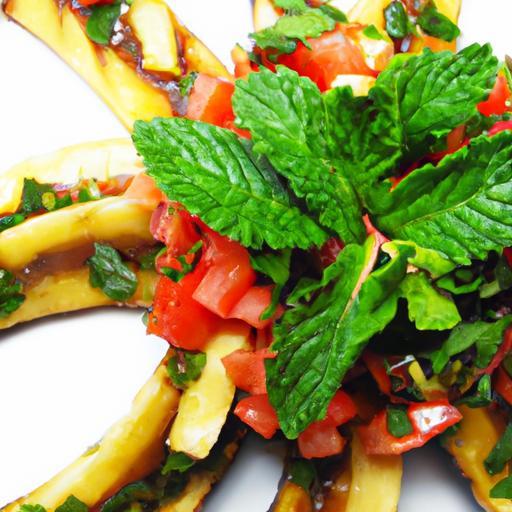

Beneath the tropical sun, the humble plantain holds a world of culinary possibility-its story woven through vibrant markets and sizzling kitchen pans alike. Yet, the journey from green to ripe transforms this versatile fruit dramatically, shifting its flavor, texture, and role in dishes around the globe. In “Plantains Unveiled: Ripe vs. Green – Taste and Uses Explained,” we peel back the layers of this often-misunderstood staple, exploring how its stages of ripeness unlock distinct tastes and inspire diverse recipes. Whether you crave the savory crunch of a green plantain or the sweet softness of a golden ripe one, this guide will illuminate how to make the most of plantains in your cooking adventures.
Exploring the Flavor Journey from Green to Ripe Plantains
Plantains unveiled: ripe vs. green – taste and uses explained opens the door to a culinary adventure that transforms simple plantains into vibrant dishes bursting with flavor. Green plantains offer a starchy, hearty base ideal for savory preparations, while their ripe counterparts release luscious natural sugars perfect for sweet or balanced savory creations. This journey of flavor evolution highlights the unique versatility of plantains at every stage.
Prep and Cook Time
- Preparation: 10 minutes
- Cooking: 15 to 25 minutes (depending on recipe choice)
- Total Time: 25 to 35 minutes
Yield
- Serves 4 as a side dish or snack
Difficulty Level
- Easy to Medium – friendly for home cooks eager to experiment with bold flavors
Ingredients
- 2 large green plantains (firm with bright green peel)
- 2 ripe plantains (deep yellow to black peel)
- 1 cup vegetable oil (for frying)
- 1 tsp sea salt
- 1/2 tsp smoked paprika
- 1 tbsp brown sugar (optional, for sweet variation)
- Fresh cilantro leaves (for garnish)
- 2 cloves garlic, minced (for savory green plantain dishes)
- Juice of 1 lime (optional, brightens flavors)
Instructions
- Prepare the green plantains: Using a sharp knife, cut off both ends. Slice the skin lengthwise and pry it off carefully. Cut the peeled plantains into 1/2-inch thick diagonal slices to maximize surface crispness.
- Heat the oil: In a heavy skillet, warm the vegetable oil over medium heat until it shimmers but is not smoking – about 350°F if using a thermometer.
- Fry the green plantains: Carefully add the green plantain slices in batches, frying for 3 to 4 minutes on each side until golden and slightly crispy. Use a slotted spoon to transfer them to a paper towel-lined plate. Sprinkle immediately with sea salt and smoked paprika.
- Prepare ripe plantains: Peel as with green plantains, then slice into 1/2-inch diagonal pieces. The peel should come off easily when ripe.
- Fry ripe plantains: In the same oil, fry the ripe slices 2 to 3 minutes per side until caramelized and deep golden brown. Drain on paper towels.
- Add flavor twists: For savory green plantains, toss with minced garlic and a squeeze of lime for brightness. For sweet ripe plantains, sprinkle brown sugar while still warm to enrich their natural sweetness.
- Garnish and serve: Arrange on a serving platter and garnish with fresh cilantro leaves. Serve immediately for best texture and flavor.
Expert Tips for Selecting and Preparing Plantains at Every Stage
- Select green plantains that are firm with smooth, unblemished skin for a starchy texture perfect for frying or boiling.
- Choose ripe plantains with yellow to mostly black skin for maximum sweetness and soft texture that caramelizes beautifully when sautéed or fried.
- Make peeling easier by cutting ends first and slicing along the peel. Ripe plantains will peel faster than green ones.
- For healthier alternatives, bake your sliced plantains on a parchment-lined baking sheet at 400°F until golden and tender, flipping halfway through.
- Experiment with spices like cumin, chili powder, or cinnamon to match your dish style – savory or sweet.
Serving Suggestions
- Perfect as a side for grilled meats or as part of a vibrant Latin American or Caribbean spread.
- Pair ripe plantains with creamy dips like guacamole or whipped ricotta for contrast.
- Serve green plantains alongside stews or use as a base for tostones topped with fresh pico de gallo.
- Complement by adding a drizzle of honey and a sprinkle of toasted coconut for a tropical dessert twist with ripe plantains.
| Nutrition (per serving) | Green Plantain | Ripe Plantain |
|---|---|---|
| Calories | 220 | 250 |
| Protein | 2g | 1.5g |
| Carbohydrates | 58g | 62g |
| Fat | 7g | 8g |
For a deeper dive into traditional Caribbean plantain dishes, visit our Caribbean Plantain Recipes collection. To understand the agricultural origins and health benefits of plantains, explore information from the FAO’s Plantain Crop Overview.

Q&A
Q&A: Plantains Unveiled: Ripe vs. Green – Taste and Uses Explained
Q1: What exactly is a plantain, and how is it different from a banana?
A1: Plantains are close cousins to bananas, but they’re the culinary chameleons of the banana family. Unlike sweet bananas, plantains are starchier and less sweet, making them a versatile ingredient that shines in both savory and sweet dishes. Think of them as bananas with a personality twist – they’re typically cooked rather than eaten raw.
Q2: How do green and ripe plantains differ in appearance?
A2: The difference is pretty striking. Green plantains are firm with a dark green peel, almost unripe but perfectly edible once cooked. As they ripen, their skins transform to yellow, then to spotted and finally deep black with yellow flecks when fully ripe. The flesh inside shifts from firm and starchy to soft and sweet.
Q3: How does the taste vary between green and ripe plantains?
A3: Green plantains have a mild, starchy flavor that’s often compared to a potato or a very subtle banana, making them ideal for savory dishes. Ripe plantains, however, unfold a rich sweetness akin to caramelized bananas mixed with hints of honey, perfect for desserts or sweet sides.
Q4: What cooking methods suit green plantains best?
A4: Green plantains love to be fried, boiled, or baked. Popular dishes like tostones (twice-fried green plantain slices) or boiled plantain chunks are staples in Caribbean and Latin American cuisine. Their firm texture holds up brilliantly to frying, grilling, or even making savory plantain chips.
Q5: How are ripe plantains typically used in cooking?
A5: When fully ripe, plantains turn into natural candy. They shine when fried into sweet maduros, baked into soft casseroles, or mashed into luscious dishes that serve as perfect complements to spicy or savory mains. Ripe plantains can also be caramelized to elevate desserts with tropical flair.
Q6: Can green and ripe plantains be substituted for one another in recipes?
A6: While you can swap, the results will vary dramatically. Green plantains’ starchiness makes them ideal for savory recipes where you want firmness and structure. Ripe plantains bring sweetness and softness, so substituting one for the other could change the dish’s entire character. It’s best to match the plantain ripeness to the intended flavor and texture.
Q7: Are plantains nutritious, and do green and ripe versions differ nutritionally?
A7: Plantains are nutritional powerhouses-rich in complex carbohydrates, fiber, potassium, and vitamins A and C. Green plantains pack more resistant starch and fewer sugars, making them slightly lower in calories and better for slower energy release. Ripe plantains have higher sugar content due to starch converting into sugar, offering quick energy but still loaded with nutrients.
Q8: Any tips for selecting and storing plantains?
A8: Choose green plantains if you plan to cook them soon or need a firm base for savory meals. For sweetness, pick those with yellow or spotted skin. Avoid overly blackened ones unless you want ultra-ripe softness. Store green plantains at room temperature; as they ripen, you can refrigerate ripe ones to slow down the process.
Q9: What cultural cuisines showcase the magic of green and ripe plantains?
A9: Caribbean, West African, Latin American, and Southeast Asian cuisines all celebrate the plantain’s dual personalities. Dishes like Cuban tostones, Nigerian fried plantains, Puerto Rican maduros, and Filipino turon exemplify how green and ripe plantains transform meals into comforting, flavorful experiences.
Q10: What’s the best way to start cooking with plantains if you’re a newbie?
A10: Begin with simple fried plantains! Slice green plantains into rounds, fry until golden for a crunchy snack or side. For a sweet twist, try frying ripe plantain slices in butter with a sprinkle of cinnamon sugar. Experimenting with these basics will unlock endless plantain possibilities on your kitchen adventure.
Final Thoughts
As we peel back the layers of the humble plantain, it becomes clear that whether green or ripe, this versatile fruit holds a world of culinary possibilities. From the starchy, savory notes of green plantains craving a crisp frying to the sweet, caramelized allure of their ripe counterparts, each stage invites a unique adventure on the palate. Embracing both forms not only enriches our kitchens but also connects us to a vibrant tradition that spans continents and cultures. So next time you stand before a bunch of plantains, remember: the choice between green and ripe isn’t just about flavor-it’s an invitation to explore, create, and savor the many faces of this extraordinary fruit.