
When the sun blazes overhead and the air hums with warmth, nothing quenches thirst quite like a glass of Bissap juice-Ivory Coast’s vibrant, zesty hibiscus elixir. This ruby-red refreshment, brimming with tart floral notes and a hint of sweet citrus, is more than just a drink; it’s a cultural celebration captured in a cup. From bustling street markets to serene family gatherings, Bissap juice refreshes bodies and lifts spirits, offering a delicious way to stay cool while savoring a taste of West African tradition. Join us as we dive into the art of crafting this invigorating beverage, revealing the secrets behind its bold flavor and timeless appeal.
The Vibrant Origins and Cultural Significance of Ivorian Bissap Juice
Refreshing Ivorian Bissap Juice is more than just a delightful beverage-it’s a liquid tapestry woven with history and culture from the heart of West Africa. Originating from Côte d’Ivoire, this hibiscus-based drink embodies tradition, community, and celebration. Revered at family gatherings, market stalls, and festive ceremonies, bissap stands as a symbol of refreshment and hospitality, its deep ruby hue as vibrant as the spirit of the Ivorian people. Personally, my first sip transported me to lively street corners filled with laughter and the aroma of spices, igniting a passion to recreate and share this zesty hibiscus recipe in kitchens around the world.
Selecting the Perfect Hibiscus Flowers for Optimal Flavor and Color
The cornerstone of a truly exceptional bissap lies in the quality of hibiscus flowers. Look for dried Roselle calyces that are vibrant crimson, plump, and free of dust or discoloration. These flowers carry the signature tangy tartness and vivid color that make the drink irresistible. Avoid overly brittle or faded petals, which may yield a dull taste or muted shade. Many Ivorian markets offer freshly dried hibiscus-if you can source these, they elevate the drink’s natural brightness and potency. When purchasing online, select organic and pesticide-free options to maintain purity.
Prep and Cook Time
- Preparation Time: 10 minutes
- Brewing and Cooling Time: 40 minutes
Yield
Serves 6 refreshing glasses
Difficulty Level
Easy – perfect for beginners and seasoned beverage enthusiasts alike
Ingredients
- 1 cup dried hibiscus flowers (Roselle calyces), rinsed
- 6 cups boiling water
- 1 cup granulated sugar (adjust to taste)
- 2 tablespoons freshly squeezed lime juice (for zesty brightness)
- 1 teaspoon dried ginger powder or a small slice of fresh ginger (optional for warmth)
- Fresh mint sprigs (for garnish and subtle herbal notes)
- Ice cubes (for serving chilled)
Step-by-Step Guide to Crafting Refreshingly Zesty Bissap
- Rinse the dried hibiscus flowers under cool running water and drain well to remove any dust or impurities.
- In a large heatproof pitcher or bowl, pour 6 cups of boiling water over the hibiscus flowers and add the ginger if using.
- Cover and steep for 25-30 minutes until the water turns a rich ruby color and takes on a fragrant, floral tang.
- Strain the mixture through a fine sieve or cheesecloth into another container, pressing gently to extract all the liquid.
- Add the sugar while the liquid is still warm and stir vigorously until fully dissolved; adjust sweetness to your preference.
- Allow the bissap to cool to room temperature, then stir in fresh lime juice for a zesty zing that brightens the flavor profile.
- Transfer to the refrigerator and chill for at least 1 hour before serving.
- Serve over ice cubes with a garnish of fresh mint sprigs to amplify the refreshing aroma.
Expert Tips to Enhance Your Bissap Experience with Unique Ingredients
Beyond the classic recipe, invite creativity to your bissap journey. Adding a dash of vanilla extract or a cinnamon stick during steeping introduces warmth and complexity. For a sparkling twist, swap still water with carbonated water before serving to produce a bubbly, effervescent treat. Those seeking a tangy punch can mix in a splash of pineapple juice or a few crushed berries, layering flavors like a seasoned chef. Always balance acidity and sweetness to your palate for an unforgettable, refreshing experience.
Chef’s Notes & Tips for Success
- Storage: Keep chilled bissap in a sealed container in the refrigerator for up to 3 days to maintain freshness.
- Substitutions: Substitute granulated sugar with honey or agave syrup for a natural sweetener alternative.
- Color preservation: Avoid boiling the hibiscus for too long; steeping gently preserves its vibrant crimson hue.
- Flavor balancing: If bitterness occurs, tweak sweetness or lime juice levels to harmonize your drink.
- Make-ahead: Prepare bissap a day in advance to allow flavors to meld beautifully for optimal taste.
Serving Suggestions
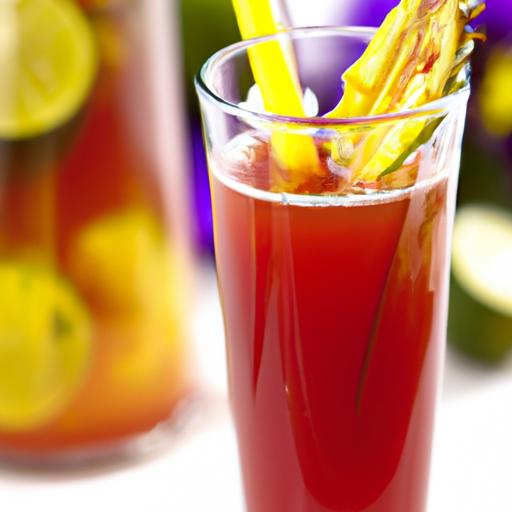
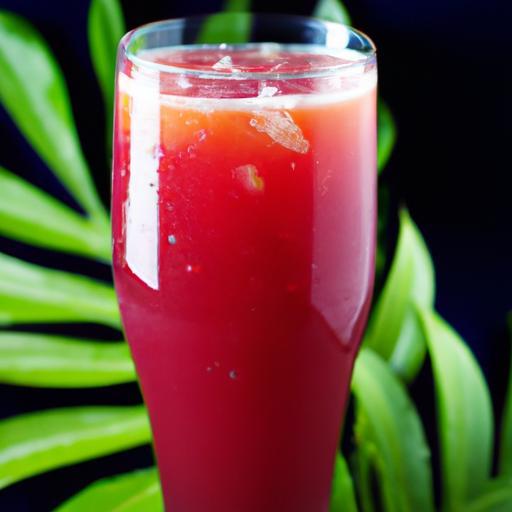
This Refreshing Ivorian Bissap Juice dazzles when poured into tall glasses topped with crushed ice and decorated with sprigs of mint and thin lime wedges. Pair it with spicy grilled kebabs, tropical fruit platters, or light salads to create a balanced sensory feast. For an eye-catching presentation, serve in clear glasses to celebrate the hibiscus’s brilliant ruby-red color, catching the light and whetting appetites before the first sip.
| Nutritional Information (per serving) | Amount |
|---|---|
| Calories | 90 kcal |
| Protein | 0.7 g |
| Carbohydrates | 22 g |
| Fat | 0.1 g |

For more delightful West African drink recipes, explore our West African Beverages collection. To dive deeper into the health benefits of hibiscus flowers, visit the National Institutes of Health’s research page.
Q&A
Q&A: Refreshing Ivorian Bissap Juice – A Zesty Hibiscus Recipe
Q1: What exactly is Bissap juice?
A1: Bissap juice is a vibrant and refreshing drink made from hibiscus petals, cherished across West Africa, especially in Côte d’Ivoire. It’s known for its deep ruby color, tart-sweet flavor, and thirst-quenching qualities – perfect for tropical climates and anytime you need a zesty pick-me-up.
Q2: Why is Bissap juice so popular in Ivory Coast?
A2: Bissap is more than just a beverage; it’s part of the cultural fabric. The juice is traditionally served at social gatherings, markets, and celebrations, loved for its bright flavor and refreshing coolness under the West African sun. Plus, it’s packed with antioxidants and vitamin C, making it a tasty way to stay healthy.
Q3: What makes this hibiscus recipe unique or “zesty”?
A3: The zest in this recipe comes from a delicate balance of tart hibiscus petals paired with fresh citrus-often lime or orange-and a hint of ginger or mint. This lively blend transforms the floral base into a sparkling, slightly spicy, and refreshingly tangy drink that tingles on your tongue.
Q4: How do you prepare authentic Bissap juice?
A4: Start by rinsing dried hibiscus petals to remove any impurities. Simmer them gently in water until the color turns a beautiful deep red and the kitchen fills with a cranberry-like aroma. Strain out the petals, then sweeten the liquid with sugar or honey. Add freshly squeezed citrus juice and optional flavor enhancers like fresh ginger or mint. Chill and serve over ice for maximum refreshment.
Q5: Can Bissap juice be customized?
A5: Absolutely! Bissap juice is wonderfully versatile. You can adjust sweetness to taste, swap lime for lemon or orange, and infuse it with spices like cinnamon or cloves for a warming twist. Some even add sparkling water for a fizzy version or blend with tropical fruits like mango or pineapple for extra zing.
Q6: Is Bissap juice healthy?
A6: Yes, it’s often considered a health elixir. Hibiscus petals are rich in antioxidants, which help fight inflammation and support heart health. The raw juice is naturally caffeine-free and hydrating, making it a smart alternative to sugary sodas or energy drinks.
Q7: When is the best time to enjoy Bissap juice?
A7: Anytime you want a refreshing, cooling drink-but it’s especially delightful on hot summer days. It also makes a festive addition to brunches, picnics, or as a welcoming treat for guests. Plus, it complements spicy or savory West African dishes beautifully.
Q8: Where can someone find dried hibiscus petals to make Bissap juice?
A8: Dried hibiscus petals, also called “roselle,” are available in African, Caribbean, or Middle Eastern grocery stores. You can also find them online through specialized tea and spice retailers. For the freshest flavor, look for organic or food-grade dried petals.
Enjoy crafting this zesty, ruby-hued classic and bring a splash of Ivorian sunshine to your glass!
Closing Remarks
As the vibrant hues of the hibiscus petals dance in your glass, this refreshing Ivorian Bissap juice offers more than just a burst of zesty flavor-it delivers a sip of West African tradition, culture, and sunshine. Whether enjoyed on a hot afternoon or as a revitalizing companion to your favorite meals, Bissap is a simple yet extraordinary elixir that transforms everyday moments into a celebration of taste and heritage. So go ahead, blend those petals with a touch of citrus and sweetness, and let each invigorating sip transport you to the lively markets and warm hearts of Côte d’Ivoire. Cheers to discovering the magic in every cup!