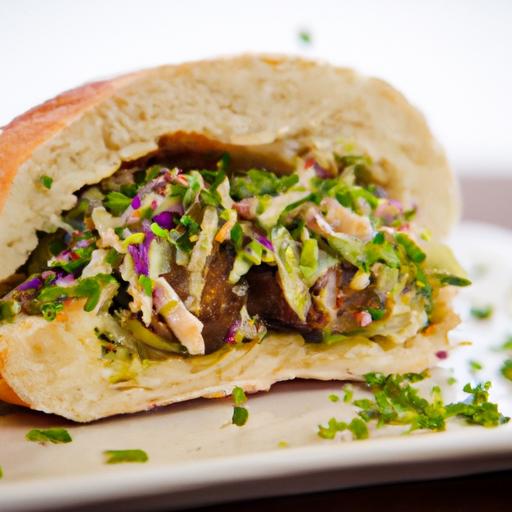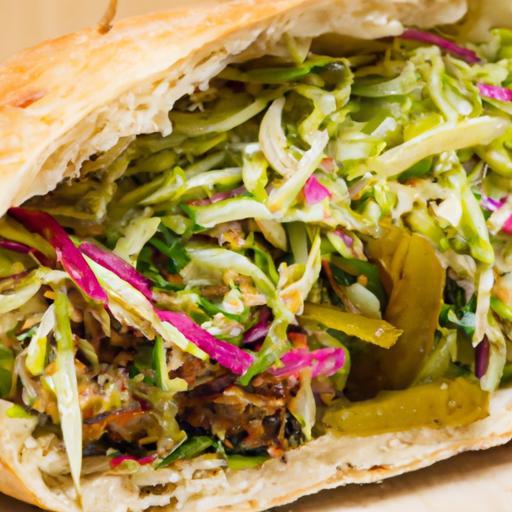

In the vibrant tapestry of Israeli street food, few dishes captivate the senses quite like Sabich. This humble yet hearty sandwich, a delightful assembly of warm pita, golden fried eggplant, savory hard-boiled eggs, and an orchestra of fresh veggies and tangy sauces, tells a story as rich and colorful as the bustling markets where it first took shape. “Sabich Unwrapped: Your Ultimate Israeli Street Food Guide” invites you to peel back the layers of this beloved culinary treasure, exploring its origins, ingredients, and the secret touches that have made it a staple of Israeli rooftops, food stalls, and kitchen tables alike. Whether you’re a curious foodie or a seasoned traveler, get ready to savor the essence of Israel’s street food scene-one bite at a time.
Sabich Origins and Cultural Significance Behind the Beloved Israeli Sandwich
Sabich Unwrapped: Your Ultimate Israeli Street Food Guide takes you on a flavorful journey into one of Israel’s most cherished and iconic dishes. This humble sandwich, packed with bold, fresh ingredients and a rich history, is more than just street food-it’s a celebration of Iraqi Jewish heritage and a vibrant fusion of tradition and modern Israeli culture. Originally brought to Israel by Iraqi Jewish immigrants in the mid-20th century, sabich quickly became a beloved fixture on Tel Aviv streets, cherished for its unique blend of warm, tender fried eggplant, boiled eggs, and an array of fresh vegetables wrapped inside fluffy pita bread.
Prep and Cook Time
- Preparation time: 20 minutes
- Cooking time: 15 minutes
- Total time: 35 minutes
Yield
- Serves 4 hearty sandwiches
Difficulty Level
- Medium – involving multiple components but simple techniques
Mastering the Art of Sabich Filling Exploring Essential Ingredients and Flavor Combinations
To truly master sabich filling, it’s vital to layer fresh, vibrant ingredients that balance earthiness, creaminess, and tang. The interplay of crispy fried eggplant, creamy hummus, savory boiled eggs, zesty amba (mango pickle), and fresh salad elements creates the classic harmonious symphony of flavors. The magic lies in using fresh, quality produce and freshly baked or warm pita for that perfect handheld experience.
Ingredients
- 2 large eggplants, sliced into ¾-inch rounds
- 4 large eggs, hard-boiled and peeled
- 4 pita breads, preferably fresh and soft
- 1 cup hummus (store-bought or homemade)
- ½ cup Israeli salad (finely chopped cucumber, tomato, parsley, lemon juice, olive oil)
- ½ cup amba sauce (Middle Eastern mango pickle; see linked recipe)
- ¼ cup tahini sauce, for drizzling
- Salt and freshly ground black pepper, to taste
- Olive oil, for frying eggplant
- Fresh parsley leaves, for garnish
Instructions
- Prepare the eggplant: Sprinkle the eggplant slices generously with salt and let them sit for 10 minutes to draw out bitterness. Pat dry with paper towels.
- Fry the eggplant: Heat a generous amount of olive oil in a skillet over medium heat. Fry eggplant slices until golden and tender, about 3-4 minutes per side. Drain on paper towels to remove excess oil.
- Boil and prepare eggs: Place eggs in boiling water and cook for 9 minutes for firm yolks. Cool in ice water, then peel and slice into halves or quarters.
- Warm the pita: Lightly warm pita breads in a dry skillet or oven until soft and pliable.
- Assemble the sabich: Spread a thick layer of hummus inside each pita. Layer with fried eggplant slices, sliced boiled eggs, and a spoonful of Israeli salad.
- Add the sauces: Drizzle tahini and amba sauce over the filling, seasoning with salt and pepper.
- Garnish and serve: Finish with fresh parsley leaves for a burst of color and a hint of herbaceous flavor. Serve immediately while warm.
Chef’s Notes: Insider Tips for Crafting Your Own Perfect Sabich at Home
- Amba Sauce: A fermented mango pickle, amba is indispensable for authentic sabich flavor. Try making it from scratch or source it from specialty Middle Eastern stores. Learn more about amba here.
- Eggplant: For a less oily cake, bake the eggplant slices at 400°F for 15 minutes instead of frying, brushing lightly with olive oil.
- Make-Ahead Tips: Boil eggs and prepare salad up to a day in advance to save time. Best assembled just before eating to keep pita from getting soggy.
- Variations: Add pickled vegetables like turnips or cucumbers for extra tang. A sprinkle of za’atar spice adds an earthy dimension.
- Serving: To avoid messiness, wrap the sandwich tightly with parchment paper or foil for portable eating.
Serving Suggestions
Present sabich with an extra drizzle of tahini, a side of pickled vegetables, and fresh lemon wedges. A crisp, lightly salted Israeli salad pairs perfectly with the sandwich’s richness, while a refreshing mint tea or freshly squeezed pomegranate juice complements its bold flavors. For a street-style touch, serve with small bowls of chili sauce and additional amba on the side for dipping.
| Nutrient | Per Serving (1 Sandwich) |
|---|---|
| Calories | 420 kcal |
| Protein | 16 g |
| Carbohydrates | 44 g |
| Fat | 18 g |

Explore more Middle Eastern culinary treasures in our detailed Mediterranean Vegetarian Recipes Guide to keep your kitchen vibrant and your guests delighted.
Q&A
Q&A: Sabich Unwrapped – Your Ultimate Israeli Street Food Guide
Q1: What exactly is Sabich?
A1: Sabich is a beloved Israeli street food sandwich that marries warm pita bread with a symphony of flavors: tender fried eggplant, hard-boiled eggs, creamy tahini, tangy amba (pickled mango sauce), fresh salad, and a sprinkle of parsley and cumin. Originating from Iraqi Jewish immigrants, it’s a delicious handheld history lesson wrapped in pita.
Q2: Why has Sabich become such a popular street food in Israel?
A2: Sabich hits the perfect balance between hearty and fresh, vegetarian yet packed with protein, and savory with a touch of tanginess. Its unique blend of textures and flavors makes it an instant comfort food loved by locals and tourists alike. Plus, it’s quick, affordable, and utterly satisfying-a street food staple that’s easy to savor on the go.
Q3: What’s the secret to the perfect Sabich?
A3: The magic is in the layering and quality of ingredients. Crispy, golden fried eggplant provides a smoky depth, while perfectly cooked hard-boiled eggs add creamy richness. The amba sauce lends a bright, slightly spicy punch that ties everything together. Fresh cucumber and tomato salad adds crunch and moisture, and a drizzle of tahini brings silky earthiness. Don’t rush assembling it-the harmony of flavors is what makes Sabich unforgettable.
Q4: Can Sabich be customized?
A4: Absolutely! While the classic Sabich has a set list of ingredients, vendors and home cooks alike often add their personal twists: pickled vegetables, spicy zhug sauce, or a sprinkle of sumac for extra zing. Vegan versions swap eggs for tofu or simply pile on more eggplant and salad. The pita itself can be freshly baked or grilled, depending on what you prefer.
Q5: Where should I try authentic Sabich in Israel?
A5: Tel Aviv is often hailed as the Sabich capital, with small shops and street stalls dishing out incredible versions. Look for long lines and enticing aromas around Shuk HaCarmel or lesser-known neighborhood joints in Jaffa. Each vendor has a loyal following because Sabich is as much about tradition as it is about flavor, and discovering your favorite spot is part of the fun.
Q6: Is Sabich suitable for all dietary preferences?
A6: Sabich naturally fits vegetarian diets and can easily be adapted for vegan eaters by omitting the eggs and tahini or substituting with plant-based alternatives. It’s also gluten-friendly if you opt for gluten-free pita, making it an inclusive choice that invites everyone to enjoy a bite of Israeli culinary culture.
Q7: What makes Sabich different from other popular Israeli street foods like falafel or shawarma?
A7: While falafel and shawarma tend to focus on fried chickpea balls or spiced meat, Sabich stands out with its unique Iraqi Jewish heritage and its emphasis on fried eggplant and boiled eggs. It’s less about spice overload and more about nuanced layers-creamy, tangy, smoky, and fresh-that create a distinct flavor journey. Sabich is like a treasure chest of textures wrapped in soft pita.
Q8: Can I make Sabich at home?
A8: Definitely! With some simple ingredients and a bit of frying, you can recreate the Sabich experience in your kitchen. The key steps involve frying eggplant slices until crisp, boiling eggs just right, and preparing fresh chopped salad with a good tahini sauce and amba if you can find it (or substitute with mango chutney). It’s a fun and rewarding DIY project that brings a taste of Israeli streets to your table.
Feel inspired to unwrap your own Sabich adventure? Dive into this iconic sandwich and savor every flavorful bite-it’s more than food, it’s a vibrant slice of Israel’s rich street food culture.
In Retrospect
As we peel back the layers of Sabich, this iconic Israeli street food reveals itself as more than just a sandwich-it’s a flavorful journey through history, culture, and community. From the tender eggplant to the tangy amba and the soft, warm pita that cradles it all, Sabich invites you to savor a mosaic of tastes that tell a story with every bite. Whether you’re wandering the bustling markets of Tel Aviv or recreating this culinary treasure at home, remember that Sabich is more than a meal; it’s an experience waiting to be unwrapped. So go ahead-dive into the vibrant world of Israeli street food, one delicious fold at a time.