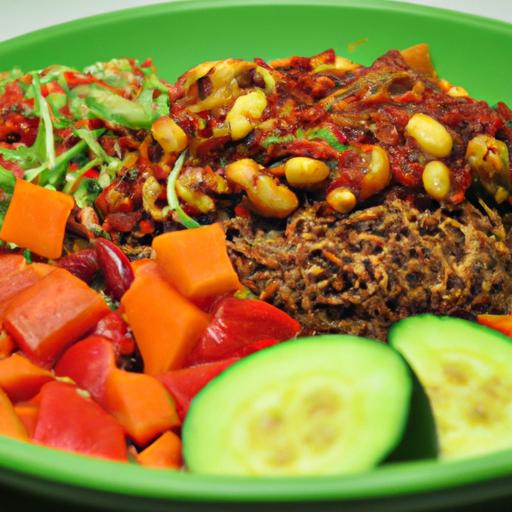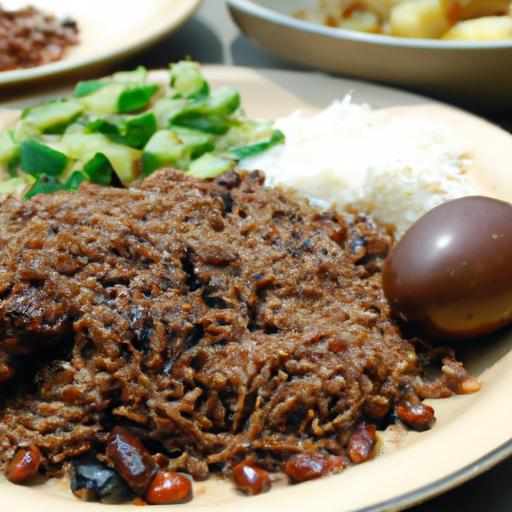

In the vibrant tapestry of Ghanaian cuisine, few dishes capture the heart and soul of the streets quite like Waakye. This beloved rice and beans ensemble, bursting with rich flavors and colorful accompaniments, is more than just a meal-it’s a celebration of culture, community, and tradition served on a plate. “Savor Ghana: Crafting Authentic Street-Style Waakye at Home” invites you on a culinary journey to recreate this iconic street food right in your own kitchen. From the aromatic hues of millet leaves to the perfectly cooked beans and rice, we’ll unlock the secrets behind Waakye’s unmistakable taste, guiding you step by step to experience an authentic slice of Ghana’s bustling street markets without ever leaving home. Get ready to tantalize your senses and bring a vibrant taste of Ghanaian streets to your dining table.
Sourcing the Finest Ingredients for Traditional Waakye
Savor Ghana: Crafting Authentic Street-Style Waakye at Home starts with understanding the heart and soul behind every grain and bean. True waakye owes its rich flavor to the quality of ingredients and the precision in selecting the little details that define Ghana’s beloved street food. Before diving into the stove, immerse yourself in the local markets or specialty ethnic stores to hunt for dried red kidney beans that are plump and firm, and parboiled long-grain rice – these staples form the cornerstone of the dish’s authentic texture and mouthfeel.
Don’t overlook the natural waakye leaves (dried millet leaves or sorghum leaves), traditionally used to imbue the beans and rice with their signature reddish-brown hue and subtle earthy flavor. If these are unavailable, a pinch of achiote seeds (annatto) can serve as a vibrant, if slightly different, natural coloring agent. Fresh garnishes like ripe avocado, crunchy gari (cassava granules), and local chili sauce will enliven every bite, rounding out the dining experience with authenticity and balance.
Prep and Cook Time
- Preparation: 30 minutes
- Cooking: 2 hours 15 minutes (including soaking and simmering)
- Total Time: 2 hours 45 minutes
Yield
Serves 6 generous portions
Difficulty Level
Medium: Requires careful attention to timing and layering of flavors but perfect for an adventurous home cook.
Ingredients
- 2 cups dried red kidney beans (soaked overnight)
- 3 cups parboiled long-grain rice, rinsed
- 6-8 dried waakye leaves (millet or sorghum) or 1 tablespoon annatto seeds
- 6 cups water
- 1 large onion, thinly sliced
- 2 teaspoons salt
- 1 teaspoon black pepper
- 1 teaspoon smoked paprika
- ½ cup cooking oil (preferably groundnut oil)
- For Toppings/Sides:
- 3 boiled eggs, peeled
- 1 cup gari (cassava granules)
- 1 medium avocado, sliced
- 1 cup fried plantains
- 1 small onion, diced
- Chili pepper (to taste)
- Shito sauce or your favorite spicy condiment
Instructions
- Prepare the Beans: Drain the soaked beans and place them in a large pot. Add water and waakye leaves (or annatto seeds). Bring to a boil and reduce to a simmer. Cook gently for 1.5 hours, or until the beans are tender and the water has turned a rich reddish-brown color. Stir occasionally to prevent sticking.
- Add Flavor Base: Once beans are tender, add sliced onion, salt, black pepper, and smoked paprika. Stir to combine and simmer for an additional 10 minutes to infuse the flavors deeply.
- Cook the Rice: Carefully add the rinsed rice directly to the beans and their cooking liquid. Add more water if necessary to just cover the rice. Cover the pot tightly and cook on low heat for 25-30 minutes, avoiding stirring to prevent mushiness. The rice will absorb the broth and turn a beautiful reddish hue.
- Final Touches: When rice is fully cooked and liquid absorbed, remove waakye leaves or strain out annatto seeds. Fluff the rice and beans gently with a fork to keep grains separate.
- Prepare the Toppings: While the waakye cooks, boil eggs to hard-boiled perfection (about 10 minutes). Slice avocado and fry plantains until golden and caramelized. Dice fresh onions finely and prepare shito or chili sauce to your liking.
- Assemble and Serve: Plate the waakye at the center, artistically arrange toppings around it: boiled eggs halved, fried plantains, sliced avocado, fresh diced onions, and a heap of gari. Drizzle chili or shito sauce on top or serve on the side for DIY heat adjustment.
Tips for Success
- Soaking Beans: Always soak your beans overnight to reduce cooking time drastically and ensure an even, tender texture.
- Waakye Leaves Alternative: If you can’t find millet or sorghum leaves, gently toast annatto seeds in oil to release vibrant color-strain before adding to the beans.
- Rice Texture: Use parboiled rice rather than raw rice to maintain separation between grains after cooking with the beans.
- Make-Ahead: Waakye tastes even better the next day as the flavors meld. Store in an airtight container in the fridge and reheat gently with a splash of water to regain moisture.
- Spice Levels: Adjust chili and shito sauces according to your heat tolerance-the authentic waakye is boldly flavored but balanced.
Serving Suggestions
Present waakye in a vibrant handwoven basket or rustic ceramic bowl to echo the street vendor spirit. Garnish with a sprinkle of chopped fresh parsley or coriander to add a pop of color and freshness. Layer the ingredients with care, making sure each component shines yet merges harmoniously. Enjoy waakye with a side of cool, sliced tomatoes or cucumber salad to add a crisp contrast.
| Nutrition per serving | Amount |
|---|---|
| Calories | 450 kcal |
| Protein | 18 g |
| Carbohydrates | 70 g |
| Fat | 9 g |

For a deeper dive into Ghanaian culinary traditions, check out our article on Exploring Ghanaian Spices. Elevate your kitchen with authentic flavors and vibrant culture today!
Q&A
Q&A: Savor Ghana – Crafting Authentic Street-Style Waakye at Home
Q1: What is Waakye, and why is it beloved in Ghana?
A: Waakye is a vibrant, flavorful Ghanaian street food that combines rice and beans, often served with an array of rich accompaniments like spicy shito sauce, boiled eggs, gari, and fresh salad. It’s beloved because it’s not just a meal but a cultural experience-comforting, hearty, and bursting with the warmth of Ghanaian culinary tradition.
Q2: What makes street-style Waakye distinct from other rice and beans dishes?
A: The magic lies in the cooking process and ingredients. Street-style Waakye gets its iconic reddish-brown color and smoky aroma from cooking the rice and beans with dried millet leaves (waakye leaves). This step imparts an earthy, deep flavor that’s hard to replicate with regular red beans and rice. The accompaniments-like spicy pepper sauce (shito), fried plantains, and gari-from the street vendors create a multisensory feast.
Q3: Can I really recreate the authentic taste of Waakye at home?
A: Absolutely! While the bustling Ghanaian streets have their own charm, with the right ingredients and a little patience, you can bring that authentic Waakye experience into your kitchen. Key tips include sourcing or substituting waakye leaves, perfecting the rice and beans ratio, and mastering the condiments to balance heat, sweetness, and texture.
Q4: What ingredients are essential for making Waakye at home?
A: The core ingredients include rice, red kidney beans (or black-eyed peas), millet leaves (for the authentic hue and aroma), and salt. For accompaniments, gather shito (Ghanaian chili sauce), boiled eggs, gari (toasted cassava granules), fried plantains, and a fresh tomato and onion salsa. Each element adds its own character, making the dish complete.
Q5: Are there any traditional cooking techniques I should know?
A: Yes! Start by soaking the beans overnight to soften them, then boil them with millet leaves until they release that signature color. Add the rice to the pot so it can cook in the flavorful bean broth, absorbing every bit of essence. Timing is everything-avoid overcooking to keep the rice fluffy and the beans tender but intact.
Q6: How can Waakye be customized to suit different tastes or dietary needs?
A: Waakye is wonderfully adaptable! Vegetarians can skip the meat accompaniments and load up on beans, salad, and plantains. For a protein boost, add grilled chicken or fish. Control the spice level by adjusting the amount of shito or fresh peppers. Experiment with toppings like avocado or pickled vegetables for a personal twist.
Q7: What’s the best way to serve Waakye for an authentic experience?
A: Presentation is part of the fun! Traditionally, Waakye is served on a plate or in a bowl with each accompaniment piled separately so the eater can mix as they like. Gather friends or family for a communal meal-sharing stories alongside the vibrant tastes and textures embodies the spirit of Ghana’s street food culture.
Q8: Any insider tips for perfecting Waakye at home?
A: Patience is key-let the rice and beans simmer slowly to marry the flavors. Don’t rush the shito sauce; slow-cooking the peppers and spices develops depth. Lastly, embrace the improvisation-street vendors tweak their recipes daily, and so can you. Your kitchen is your new street stall!
With these insights, savoring Ghana at home through Waakye becomes not just a recipe to replicate but a story to tell and a tradition to honor across miles and cultures.
Insights and Conclusions
As the rich, comforting aroma of waakye fills your kitchen, you’ve not only crafted a meal-you’ve woven a tapestry of Ghanaian culture and tradition right at your home table. Savoring waakye is more than just enjoying a dish; it’s an invitation to experience the vibrant streets of Accra, the bustling chatter of vendors, and the warmth of communal dining. By mastering the art of this authentic street-style favorite, you connect with a heritage as colorful and dynamic as the ingredients themselves. So next time hunger calls, remember that a soulful, satisfying taste of Ghana is just a pot away-ready to transform any meal into a celebration of flavor, history, and home.