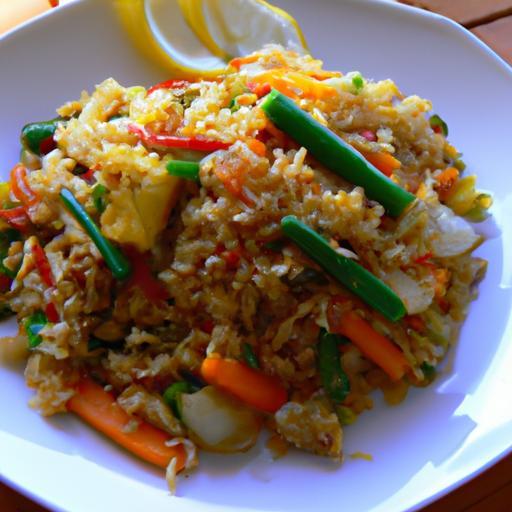

Step into the vibrant world of Thai cuisine, where every bite bursts with a harmonious blend of fragrant herbs, bold spices, and delicate textures. Among these culinary treasures, vegetarian fried rice stands out as a colorful, flavorful celebration of plant-based ingredients that never compromise on taste. Whether you’re a seasoned vegetarian or simply looking to explore new flavors, this guide to savoring Thai vegetarian fried rice will introduce you to the art of balancing simplicity and zest. Get ready to embark on a delicious journey that honors tradition while embracing wholesome, meat-free goodness-one fragrant spoonful at a time.
Savor Thai Flavors in this vibrant vegetarian fried rice recipe that celebrates the fragrant, zesty, and fresh ingredients defining Thailand’s culinary heritage. Rooted in street food tradition yet wonderfully adaptable, this dish balances texture, aroma, and taste, bringing harmony to every bite. From the nutty crunch of toasted cashews to the fresh zest of lime and punchy garlic chive notes, it’s a symphony of plant-based bounty that invites you to savor the essence of Thailand in your own kitchen.
Prep and Cook Time
Prep Time: 15 minutes
Cook Time: 12 minutes
Total Time: 27 minutes
Yield
Serves 4 generous portions
Difficulty Level
Easy – Perfect for home cooks eager to capture authentic Thai flair with simple techniques.
Ingredients
- 3 cups cooked jasmine rice, chilled (preferably day-old)
- 2 tbsp vegetable oil or coconut oil
- 4 cloves garlic, finely minced
- 1 medium onion, thinly sliced
- 1 cup diced firm tofu, pressed and cubed
- 1 cup mixed seasonal vegetables (carrots, bell peppers, snap peas)
- 2 tbsp soy sauce (or tamari for gluten-free)
- 1 tbsp vegetarian oyster sauce (or mushroom sauce)
- 1 tsp white pepper
- 3 stalks garlic chives, chopped (or green onions)
- 1/4 cup roasted cashews, roughly chopped
- 1 tbsp fresh lime juice
- 1 tsp palm sugar (or brown sugar)
- Optional garnish: fresh cilantro, sliced red chilies, and lime wedges
Instructions
- Prepare your ingredients: Ensure your rice is fully cooled and separated to avoid clumping. Press tofu gently between paper towels to remove excess moisture and cube evenly.
- Heat oil in a wok or large skillet over medium-high heat until shimmering. Add minced garlic and sauté until fragrant but not browned, about 30 seconds.
- Add sliced onions and cook until translucent and slightly caramelized, 3-4 minutes, stirring continuously for even cooking.
- Introduce tofu cubes into the wok, frying until edges turn golden brown, approximately 5 minutes. Stir carefully to keep tofu intact.
- Stir in mixed vegetables and cook until just tender yet still crisp, about 3 minutes. The contrast in textures elevates the dish.
- Add the day-old rice to the wok, breaking apart any clumps. Toss gently to combine with vegetables and tofu. Cook for 2-3 minutes to heat thoroughly.
- Season the rice mixture with soy sauce, vegetarian oyster sauce, white pepper, and palm sugar. Stir continuously to coat the rice evenly and encourage slight caramelization on the pan’s surface.
- Fold in chopped garlic chives and roasted cashews, stirring just until combined. This adds a sharp aromatic note and a satisfying crunch.
- Remove from heat and immediately drizzle fresh lime juice over the rice. Gently toss once more for balanced brightness that awakens the flavors.
- Serve hot with optional garnishes such as fresh cilantro leaves, sliced red chilies for heat, and lime wedges on the side.
Tips for Success: Bringing Authentic Thai Flavors to Life
- Rice texture: Use cold, day-old jasmine rice to prevent mushiness. Freshly cooked rice tends to clump, undermining the ideal fluffy stir-fry texture.
- Ingredient swaps: For a nut-free version, omit cashews and add toasted sunflower seeds or pumpkin seeds. Replace tofu with tempeh or seitan for varied protein textures.
- Vegetable choices: Feel free to incorporate local fresh vegetables like zucchini, baby corn, or broccoli for seasonal vibrancy.
- Adjust heat: To add spiciness, toss in finely chopped Thai bird’s eye chilies or a splash of chili garlic sauce during seasoning.
- Make-ahead tip: Prepare key mise en place – including chopping and tofu pressing – ahead to enjoy a swift and joyful cooking session.
Serving Suggestions
This vegetarian fried rice shines plated on a rustic ceramic plate, garnished with crisp lime wedges and a sprinkle of fresh cilantro for a pop of color. Pair it with crispy Thai vegetarian spring rolls for a festive, balanced meal. For a cooling counterpoint, serve with a side of sliced cucumbers dressed in a light rice vinegar dressing.
| Nutrient | Per Serving |
|---|---|
| Calories | 320 kcal |
| Protein | 12 g |
| Carbohydrates | 45 g |
| Fat | 9 g |

Q&A
Q&A: Savor Thai Flavors: A Guide to Vegetarian Fried Rice Delight
Q1: What makes Thai fried rice unique compared to other types of fried rice?
A1: Thai fried rice stands out due to its harmonious balance of sweet, sour, salty, and umami flavors. Unlike some fried rice varieties that rely heavily on soy sauce, Thai versions often use fish sauce (or vegetarian substitutes), lime juice, and fresh herbs like cilantro and Thai basil, creating a vibrant and aromatic dish.
Q2: How can I enjoy authentic Thai flavors in a vegetarian fried rice dish?
A2: To capture Thai essence without meat or fish, use vegetarian alternatives like soy sauce or mushroom-based seasoning instead of fish sauce. Incorporate fresh ingredients such as garlic, shallots, scallions, and fragrant herbs, and add a splash of lime juice and a touch of palm or brown sugar to balance flavors beautifully.
Q3: What are some essential ingredients to include in a vegetarian Thai fried rice?
A3: Start with jasmine rice for its fragrant and fluffy texture. Key additions include diced tofu or tempeh for protein, vibrant veggies like bell peppers, carrots, peas, and baby corn, plus aromatics such as garlic and chilies. Fresh cilantro, green onions, and a squeeze of lime finish the dish with brightness.
Q4: Can I make Thai vegetarian fried rice spicy?
A4: Absolutely! Chili flakes, fresh sliced Thai bird’s eye chilies, or a drizzle of chili oil can add that fiery kick typical of Thai cuisine. Adjust the heat to your preference, and balance it with the lime juice and sugar so the spice complements rather than overwhelms.
Q5: What cooking technique helps achieve the perfect texture in vegetarian Thai fried rice?
A5: Using day-old cooked jasmine rice is key-it’s drier and prevents clumping. Stir-fry over high heat, searing ingredients quickly to bring out their natural flavors and keep veggies crisp. Avoid overcrowding your pan to ensure even cooking and that signature slightly smoky “wok hei” flavor.
Q6: Is Thai fried rice healthy when made vegetarian?
A6: Yes! Vegetarian Thai fried rice can be a nutritious meal packed with fiber, vitamins, and plant-based protein. Using minimal oil, incorporating lots of fresh vegetables, and opting for natural seasonings keep it both wholesome and satisfying.
Q7: What sides or accompaniments complement vegetarian Thai fried rice?
A7: Serve it alongside a crisp cucumber salad with a tangy dressing, some fresh mango slices, or a bowl of hot tom yum soup for a truly authentic and balanced Thai meal experience.
Q8: Can I customize vegetarian Thai fried rice for different dietary needs?
A8: Definitely! It’s naturally gluten-free if you use tamari or coconut aminos instead of soy sauce. For nut-free versions, skip any topping with peanuts and focus on fresh herbs and lime. Vegan and vegetarian-friendly by design, it’s a versatile dish for many dietary preferences.
With these tasty tips, crafting your own vegetarian Thai fried rice becomes an exciting culinary adventure-full of flavor, easy to customize, and irresistibly delicious!
The Conclusion
As the fragrant aroma of lemongrass and fresh basil lingers in your kitchen, your journey through the vibrant world of Thai vegetarian fried rice comes to a flavorful pause. This beloved dish, bursting with colorful vegetables, fragrant spices, and wholesome ingredients, offers more than just a meal-it’s a celebration of culture, creativity, and mindful eating. Whether you’re a seasoned cook or a curious beginner, embracing these Thai flavors invites you to savor every bite with gratitude and excitement. So next time you crave a quick yet deeply satisfying dish, remember that a bowl of vegetarian fried rice can transport your taste buds straight to the bustling streets of Thailand-without ever leaving home. Happy cooking, and may your culinary adventures continue to delight and inspire!