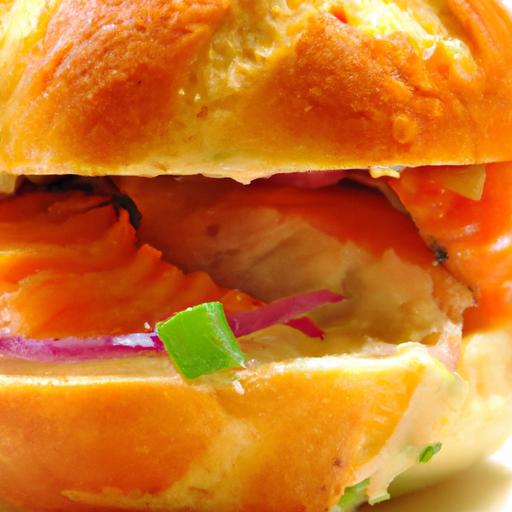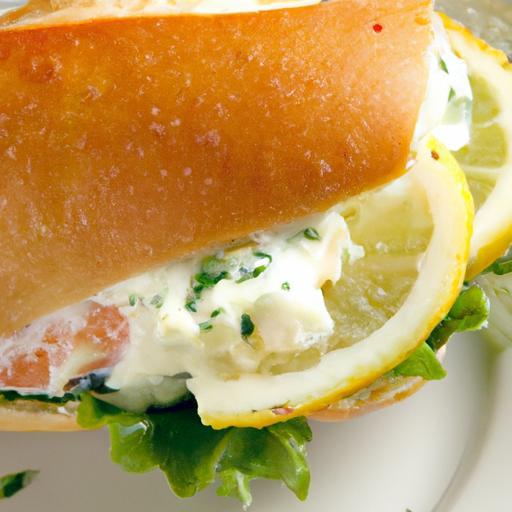

Nestled along Germany’s bustling coasts and quaint riverside towns lies a culinary treasure that speaks of maritime heritage and time-honored flavors: the Fischbrötchen. More than just a sandwich, this humble fish roll is a celebration of tradition, capturing the essence of salty sea breezes, fresh catches, and artisanal craftsmanship in every bite. Whether enjoyed with tangy pickles, crisp onions, or a dollop of creamy remoulade, the Fischbrötchen invites food lovers on a journey through history and regional pride. In this article, we dive deep into the art of crafting the perfect German Fischbrötchen-exploring its roots, essential ingredients, and the subtle techniques that transform simple components into a beloved culinary icon. Get ready to savor tradition like never before.
Savor Tradition: Crafting the Perfect German Fischbrötchen invites you on a culinary journey through the vibrant coastal flavors of northern Germany. This beloved street food highlights the simple yet extraordinary union of fresh fish, rustic bread, and vibrant condiments-each element thoughtfully chosen to create an unforgettable Fischbrötchen experience. From sourcing authentic ingredients to mastering classic fish fillings and pairing them with the ideal bread and toppings, this guide helps you recreate an iconic German delight in your own kitchen.
Prep and Cook Time
- Preparation: 20 minutes
- Cooking: 15 minutes
- Total Time: 35 minutes
Yield
Makes 4 traditional Fischbrötchen servings, each bursting with authentic flavors.
Difficulty Level
Medium: Requires attentive ingredient selection and delicate handling when assembling.
Ingredients
- Fish Fillings:
- 400g fresh or pickled herring fillets, skin removed and patted dry
- 200g smoked mackerel fillets, flaked
- 150g cured eel (optional for daring enthusiasts)
- 2 tablespoons apple cider vinegar
- 1 tablespoon whole-grain mustard
- ½ cup finely diced white onions
- Bread:
- 4 freshly baked soft brötchen rolls (preferably seeded or plain)
- Condiments & Toppings:
- 4 tablespoons creamy remoulade or German mayonnaise
- Freshly chopped parsley or dill for garnish
- Slices of crisp
or pickled cucumbers - Thinly sliced red onions
- Freshly cracked black pepper, to taste
Instructions
- Prepare the fish fillings: If using fresh herring, soak it in cold water for 30 minutes to reduce saltiness, then pat dry. For pickled herring, rinse gently to remove excess brine. Flake the smoked mackerel into bite-sized chunks.
- Marinate the onions: Toss the finely diced white onions with apple cider vinegar and a pinch of sugar. Let this sit for 10 minutes to mellow their sharpness and add a subtle tang.
- Mix the fillings: In a bowl, combine the herring fillets, smoked mackerel, and cured eel if using. Gently fold in the marinated onions and whole-grain mustard. Taste and adjust seasoning with black pepper.
- Prepare the bread: Slice each brötchen roll horizontally but avoid cutting completely through. Lightly toast the inside surfaces to add a golden crunch and enhance flavor absorption.
- Assemble the Fischbrötchen: Spread a generous tablespoon of remoulade on the bottom half of each roll. Layer with a hearty portion of the mixed fish filling. Top with slices of gherkin, fresh herbs (parsley or dill), and thin red onion slices.
- Final touch: Close the roll gently yet firmly to hold all ingredients together. Press lightly, then serve immediately for the best texture contrast between crisp bread and tender fish.
Tips for Success
- For a milder flavor, substitute apple cider vinegar with lemon juice in the onion marinade.
- Seeded brötchen rolls add texture, but soft white rolls are ideal for an authentic bite.
- Make the fish filling mixture up to 2 hours ahead and refrigerate for flavors to meld beautifully.
- If fresh fish varieties are unavailable, high-quality canned herring or smoked salmon make delicious alternatives.
- Experiment with additional toppings such as capers or thin cucumber ribbons to personalize your Fischbrötchen experience.
Serving Suggestions
Present your Fischbrötchen on a rustic wooden board with a side of crisp German potato salad or freshly sliced radishes. Garnish with a lemon wedge for a zesty squeeze before savoring. Pair this flavorful snack with a chilled pilsner or a dry Riesling to elevate the meal into a feast reminiscent of the North Sea coast.
| Nutritional Component | Per Serving |
|---|---|
| Calories | 350 kcal |
| Protein | 25 g |
| Carbohydrates | 30 g |
| Fat | 12 g |

For more traditional German recipes and tips on authentic bread baking, visit our German Bakery Basics article. Discover the historical roots and culinary science behind these enduring staples. For an in-depth dive into fish preservation methods, check out this guide from NOAA FishWatch.
Q&A
Q&A: Savor Tradition – Crafting the Perfect German Fischbrötchen
Q1: What exactly is a Fischbrötchen?
A1: Fischbrötchen is a beloved German street food classic-a savory fish sandwich typically served on a crusty bread roll (Brötchen). Originating from Northern Germany’s coastal regions, it’s a celebration of the sea, combining fresh fish with tangy pickles, onions, and creamy sauces to create a flavor-packed bite.
Q2: Which types of fish are traditionally used in Fischbrötchen?
A2: The star of the show is usually pickled or smoked fish such as herring (Matjes or Bismarck), smoked mackerel, or rollmops (pickled herring fillets rolled around a pickle). Each variety brings its own unique texture and taste, evoking the breezy charm of Northern Germany’s waters.
Q3: What kind of bread is best for an authentic Fischbrötchen?
A3: The bread should be a sturdy, crusty Brötchen or small crusty roll. It needs to have enough crunch to hold all the fillings without turning soggy, yet soft enough inside to cradle the fish and accompaniments perfectly.
Q4: What are the essential toppings that complete the Fischbrötchen experience?
A4: Onions (often raw and thinly sliced), fresh dill, tangy pickles or gherkins, and a smear of creamy remoulade or horseradish sauce are staples. These layers add brightness, tang, and a creamy finish that balances the briny fish.
Q5: Is there a particular technique to assembling the Fischerbrötchen?
A5: Absolutely! Start by slicing your Brötchen open but not completely through, like a clam shell. Spread your sauce generously on both sides of the bread to keep the fish moist and flavorful. Layer the fish carefully to showcase its texture, then top with onions, pickles, and fresh herbs. Serve immediately to enjoy the ideal blend of crunch and freshness.
Q6: Can Fischbrötchen be customized?
A6: Definitely! While tradition provides the blueprint, modern interpretations include additions like fresh tomatoes, capers, or even mustard. Some variations swap the typical herring for fried fish or shrimp. However you craft it, keeping the balance of fresh, briny, creamy, and crisp is the key to honoring this classic.
Q7: Where can one experience the best Fischbrötchen?
A7: For a true taste of tradition, visit the bustling fish markets and seaside stalls in Hamburg, Bremen, or Lübeck. There, Fischbrötchen is more than food-it’s a cultural ritual that connects generations through every bite of ocean-kissed deliciousness.
Q8: Why should food lovers try making Fischbrötchen at home?
A8: Crafting a Fischbrötchen is like creating a delicious history lesson. It invites you to explore maritime flavors and textures in an accessible way, letting you savor a slice of German coastal heritage. Plus, it’s a quick, fuss-free sandwich that delivers a punch of quality and culture in every mouthful.
This Q&A unwraps the delicious essence of Fischbrötchen, guiding you from its origins to the perfect homemade assembly-bringing you closer to savoring the heart of German coastal cuisine.
Future Outlook
As the salty breeze of the North Sea mingles with the rustic aroma of freshly baked bread and briny fish, the Fischbrötchen stands as more than just a sandwich-it is a delicious testament to German coastal heritage. Crafting the perfect Fischbrötchen is an art that honors time-honored traditions while inviting your own creativity to the table. So whether you’re biting into a crispy roll filled with pickled herring or savoring the subtle crunch of onions and tang of remoulade, you’re not just tasting a snack-you’re tasting history. Embrace the flavors, cherish the craftsmanship, and let each bite of Fischbrötchen transport you to Germany’s storied shores, where every sandwich tells a story.