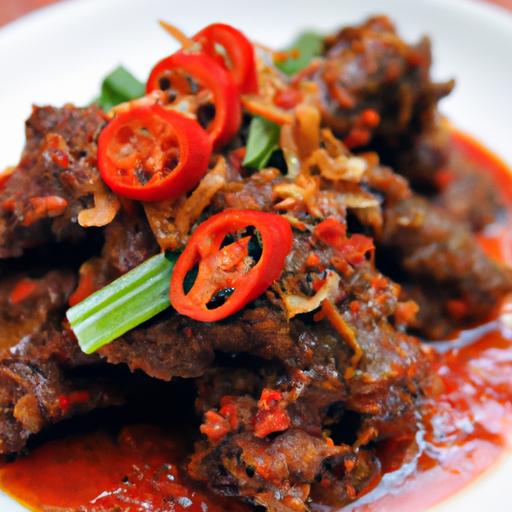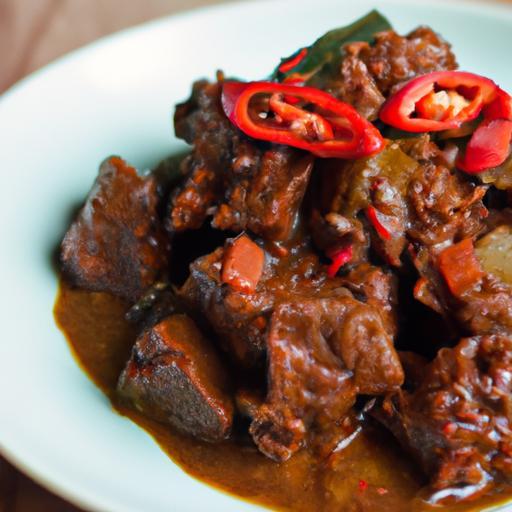

In the bustling corners of Indonesian streets, where aromas weave tales of tradition and spice, one dish commands attention like a fiery jewel-Beef Rendang. This rich, slow-cooked marvel is more than just street food; it’s a sensory journey steeped in history and flavor. As the tender beef simmers in a symphony of coconut milk, chili, and exotic spices, every bite tells a story of cultural heritage and culinary mastery. Join us as we explore the vibrant world of Indonesian Beef Rendang, uncovering why this savory gem continues to captivate food lovers across the globe.
Discovering the Rich History Behind Indonesian Beef Rendang
Savoring Indonesian Beef Rendang is more than just indulging in a spicy, aromatic feast-it’s about immersing yourself in centuries of Minangkabau culinary tradition from West Sumatra. This iconic dish is a labor of love, simmered slowly to tender perfection, and steeped in cultural significance as a celebratory dish for festive occasions and family gatherings. The hallmark of authentic beef rendang lies in its complex spice paste, long cooking time, and the gradual melding of coconut milk and dry spices into a thick, caramelized coating that envelops each bite of tender beef.
Prep and Cook Time
- Preparation: 30 minutes
- Cooking: 3 hours
- Total Time: 3 hours 30 minutes
Yield
- Serves: 6 hungry guests
Difficulty Level
- Intermediate – requires patience and attention but extremely rewarding
Ingredients
- 1.5 lbs (700g) beef chuck, cut into 2-inch cubes
- 2 cups coconut milk (fresh or canned)
- 4 kaffir lime leaves, torn
- 2 turmeric leaves, optional, shredded
- 2 stalks lemongrass, bruised
- 4 shallots, peeled
- 6 cloves garlic, peeled
- 5 dried red chilies, soaked to soften
- 3 fresh red chilies, deseeded
- 1-inch piece ginger, peeled
- 1-inch piece galangal, peeled
- 1 tsp ground coriander
- 1 tsp cumin seeds
- 1 tsp ground turmeric
- 1 tbsp palm sugar or brown sugar
- 1 tbsp tamarind paste
- Salt to taste
- 2 tbsp cooking oil (preferably coconut oil)
Instructions
- Prepare the spice paste: Combine shallots, garlic, dried chilies, fresh red chilies, ginger, and galangal in a blender or mortar and pestle. Grind until you have a fine paste.
- Toast spices: In a dry skillet, toast cumin seeds and coriander seeds over medium heat until fragrant, about 2 minutes. Grind them finely using a spice grinder and add to the spice paste.
- Sauté the paste: Heat the oil in a heavy-bottomed pot over medium heat. Add the spice paste and sauté until fragrant and slightly browned, about 5-7 minutes. Stir continuously to prevent sticking.
- Add beef: Add beef cubes to the pot, stirring to coat with the paste. Cook until the beef starts to change color, about 5 minutes.
- Add coconut milk and aromatics: Pour in the coconut milk, add kaffir lime leaves, turmeric leaves, and bruised lemongrass. Stir in palm sugar, tamarind paste, and season with salt.
- Simmer gently: Bring to a gentle boil, then reduce heat to low. Let the rendang simmer uncovered, stirring occasionally to prevent burning, for approximately 3 hours. The mixture will thicken, the coconut milk will reduce, and the beef will become tender.
- Final caramelization: Continue to cook until the liquid evaporates and the oil separates, turning the rendang dark brown. Watch carefully to avoid scorching. This final phase intensifies the deep, rich flavor and texture.
- Rest before serving: Remove from heat and let sit for 15 minutes. This allows flavors to meld even more beautifully.
Chef’s Notes
- Using beef chuck is ideal due to its marbling and tenderness after long cooking.
- Patience is key: Slow simmering develops the complex flavor layers characteristic of authentic rendang.
- Alternative ingredients: Substitute palm sugar with brown sugar if unavailable; fresh turmeric can be used instead of powder but adjust quantity to taste.
- Make-ahead tip: Rendang tastes even better the next day. Store in an airtight container in the fridge for up to 3 days or freeze for 1 month.
- For an extra smoky depth, you can lightly char lemongrass before adding.
Serving Suggestions
Present this beef rendang with fragrant steamed jasmine rice or traditional ketupat (rice cakes) to absorb the rich sauce. Garnish with freshly sliced red chilies and a sprinkle of crispy fried shallots for textural contrast. A side of ulam (fresh herb salad) or lightly blanched green vegetables like kangkung (water spinach) complements the intense flavors beautifully. For a festive table, don’t forget a bowl of spicy sambal and a cold coconut water to balance the heat.

| Nutrient | Per Serving |
|---|---|
| Calories | 380 kcal |
| Protein | 30 g |
| Carbohydrates | 8 g |
| Fat | 25 g |
For an in-depth exploration of Indonesian flavors beyond rendang, check out our guide on Indonesian spices. To dive into the cultural origins of rendang, visit Britannica’s Rendang page.
Q&A
Q&A: Savoring Indonesian Beef Rendang: Street Food’s Fiery Gem
Q1: What makes Indonesian Beef Rendang a standout in the world of street food?
A: Indonesian Beef Rendang is no ordinary street food-it’s a culinary masterpiece simmered in rich coconut milk and a melange of spices until tender and deeply infused with flavor. Its slow-cooked nature transforms humble beef into a fiery gem that bursts with savory, sweet, and aromatic layers, making it a feast for both the eyes and the palate.
Q2: Where does Beef Rendang originate, and how has it become so popular on the streets?
A: Rendang hails from the Minangkabau ethnic group of West Sumatra, Indonesia. Traditionally served during festive celebrations, the dish has journeyed from ceremonial tables to bustling street stalls. Its robust flavor and hearty texture make it perfect for quick, satisfying meals on-the-go, captivating locals and tourists alike.
Q3: What key ingredients give Beef Rendang its signature bold flavor?
A: The soul of rendang lies in a blend of fresh ingredients: lemongrass, galangal, kaffir lime leaves, turmeric, garlic, shallots, chili, and ginger. When combined with slow-cooked coconut milk and succulent beef, these spices create a complex, smoky heat that defines rendang’s fiery reputation.
Q4: How is the cooking process vital to the unique taste and texture of Beef Rendang?
A: Patience is the secret ingredient. Slow simmering the beef in spices and coconut milk for several hours allows the liquid to reduce and the meat to tenderize, absorbing every nuanced flavor. This lengthy process produces a dry, caramelized exterior with a melt-in-your-mouth interior-a contrast that delights and surprises.
Q5: Can Beef Rendang be customized to suit different spice preferences?
A: Absolutely! While traditional rendang showcases a bold and spicy kick, street vendors often adjust the heat level. Some serve milder versions for those sensitive to spice, while others ramp up the chili for heat seekers. The dish’s flexible spice palette invites everyone to experience its rich heritage in a way that suits their taste buds.
Q6: What makes trying Beef Rendang from a street vendor an authentic cultural experience?
A: Sampling Beef Rendang from a street vendor means immersing yourself in Indonesian daily life. It’s not just about food-it’s meeting passionate cooks who guard time-honored recipes, breathing in the fragrant haze of sizzling spices, and eating amidst the lively hum of street markets. This shared moment connects you to a cultural tradition that’s both timeless and alive.
Q7: How should one enjoy Beef Rendang to fully appreciate its flavors?
A: Rendang is traditionally paired with steamed jasmine rice, which balances its intensity and soaks up the rich sauce. For added textural delight, try it alongside crisp vegetables or a simple cucumber salad. Eat slowly to savor each fiery, fragrant bite and to let the spices tell their story.
Q8: Is Beef Rendang only enjoyed in Indonesia, or has it traveled beyond?
A: Rendang has journeyed far beyond Indonesia’s shores, becoming beloved across Southeast Asia and worldwide. Its presence in street food festivals, upscale restaurants, and home kitchens globally speaks to its universal appeal-a testament to the power of one fiery gem to light up many palates.
Q9: What are some tips for those wanting to cook Beef Rendang at home?
A: Start with quality beef cuts like chuck or brisket for tenderness. Don’t rush the simmering-low and slow is the mantra. Invest in fresh spices or ready-made rendang paste for authenticity. Most importantly, embrace the process as a flavorful adventure that will reward your patience with a dish steeped in tradition and bold taste.
Q10: Why does Beef Rendang remain a beloved culinary icon in Indonesia?
A: Rendang embodies the rich diversity and warmth of Indonesian culture. It’s a dish that honors heritage, community, and the art of cooking with love and care. Its fiery, fragrant character mirrors the spirit of the nation-complex, passionate, and unforgettable-making it a true gem in Indonesia’s vibrant street food tapestry.
Insights and Conclusions
As the last tender bite of Indonesian beef rendang lingers on the palate, it leaves more than just a memory-it carries the vibrant spirit of a culture deeply rooted in tradition and fiery passion. This street food gem, simmered in rich spices and slow-cooked to perfection, invites food lovers to embark on a journey of taste that transcends borders. Whether discovered amid bustling market stalls or recreated in home kitchens, rendang remains a testament to Indonesia’s culinary artistry, reminding us that the most extraordinary flavors often come from the simplest of origins. So next time you seek a dish that tells a story with every bite, let beef rendang be your passport to savoring the heart of Indonesian street food.