
Beneath the fiery swirl of Sichuan cuisine lies a secret ingredient that tingles the tongue and electrifies the senses-Sichuan peppercorns. Far from ordinary spices, these tiny berries offer a zesty zing and a signature numbing sensation that dances playfully on the palate, transforming dishes into unforgettable culinary adventures. More than just a seasoning, Sichuan peppercorns are a cultural cornerstone, weaving together history, flavor, and tradition in every pinch. Join us as we unravel the mysteries behind this vibrant spice-the zest that tinges and thrills, turning every bite into a bold celebration of taste.
The Origins and Unique Characteristics of Sichuan Peppercorns
Sichuan peppercorns are a culinary treasure rooted in the mountainous regions of China’s Sichuan province, flourishing for centuries as a hallmark spice in traditional Chinese cuisine. Unlike black or white peppercorns, these aren’t pepper at all-they come from the dried husks of the prickly ash shrub, delivering a distinct zing unmatched by any other spice. Their unique aroma balances floral, citrus, and pine notes, which infuse dishes with a fresh, zesty brightness that wakes up the palate. I first encountered Sichuan peppercorns during a memorable visit to a bustling food market in Chengdu, where their intoxicating fragrance was impossible to ignore. This moment sparked my passion for exploring how this spice adds thrilling complexity to global kitchens.
The Science Behind the Tingling Sensation and Flavor Profile
Sichuan peppercorns produce a signature tingling and numbing effect, scientifically attributed to a compound called hydroxy-alpha-sanshool. This chemical stimulates the nerve endings on your tongue and lips, causing a mild, buzzing sensation that lasts several minutes, enhancing the heat from chili peppers without overwhelming it. This numbing quality, combined with the spice’s citrus-like brightness and gentle earthiness, makes Sichuan peppercorns a flavor catalyst in many dishes. The sensation is not a burn but more like a pleasurable electric fizz that awakens your senses and deepens flavor perception, providing an incomparable experience to those who savor Sichuan cuisine.
Culinary Uses and Traditional Dishes Featuring Sichuan Peppercorns
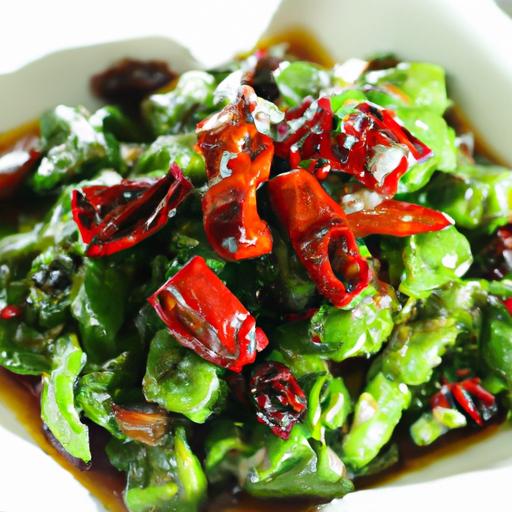
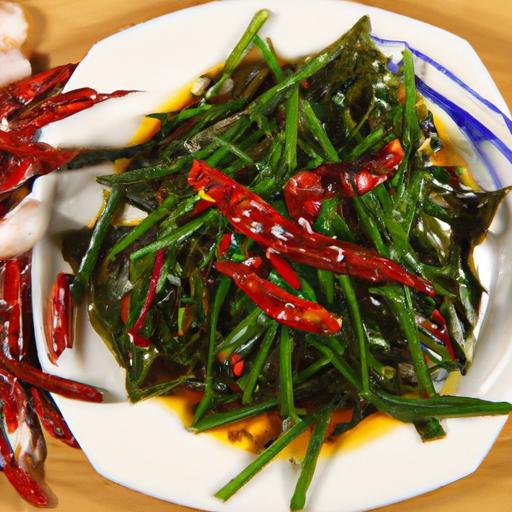
From fiery Mapo Tofu to crispy Chongqing Chicken, Sichuan peppercorns are the backbone of many iconic dishes. Their versatility shines in both dry and wet preparations-sometimes ground into powder to coat fried foods or steeped in hot oil to create fragrant chili oils. The spice pairs beautifully with garlic, ginger, and soy to create intricate flavor profiles in stir-fries, braises, and even noodle dishes like Dandan noodles. Beyond Chinese cuisine, innovative chefs use Sichuan peppercorns to spice up chocolate desserts, cocktails, and grilled meats, exploring its zestier nuances. This makes them an indispensable ingredient for cooks eager to introduce a burst of excitement and authenticity to their culinary repertoire.
Tips for Selecting, Storing, and Cooking with Sichuan Peppercorns
Selecting vibrant, reddish-brown peppercorns with intact husks guarantees the freshest, most potent flavor. Avoid blackened or broken batches, which have lost their aromatic oils and tingling power. Store Sichuan peppercorns in an airtight container away from heat and light to maintain their zest and potency for up to six months.
When cooking, toast the peppercorns gently in a dry pan for 1 to 2 minutes until fragrant, then grind immediately to release their essential oils. Infusing oil by simmering cracked peppercorns unlocks deeper flavor layers, indispensable in many Sichuan classics. Use sparingly at first, as their numbing effect can quickly dominate a dish, but gradually increasing the dose develops an exciting balance of spice and sensation in every bite.
Prep and Cook Time
- Preparation: 10 minutes
- Cooking: 15 minutes
Yield
Serves 4 families of flavor enthusiasts
Difficulty Level
Medium – ideal for adventurous cooks eager to explore complex flavor profiles
Ingredients
- 2 tablespoons Sichuan peppercorns (fresh, whole husks)
- 1 teaspoon toasted chili flakes
- 3 tablespoons neutral oil (such as canola or grapeseed)
- 1 garlic clove, minced
- 1 teaspoon grated ginger
- 1 tablespoon soy sauce
- 1 teaspoon sugar
- Fresh scallions (for garnish)
Instructions
- Heat a dry skillet over medium heat. Add Sichuan peppercorns and toast, stirring constantly, until fragrant (~1-2 minutes). Remove from heat immediately to avoid bitterness.
- Grind toasted peppercorns in a spice grinder or mortar and pestle until coarse powder. Set aside.
- Warm oil in a small saucepan over low heat. Add minced garlic and grated ginger, sauté until aromatic but not browned (about 2 minutes).
- Add chili flakes and ground Sichuan peppercorns to the oil. Stir gently for 1 minute to infuse.
- Remove from heat. Stir in soy sauce and sugar until sugar dissolves completely.
- Transfer the spicy peppercorn oil to a clean jar or bowl to cool. This infused oil can be drizzled over dishes or used as a dipping sauce base.
- Garnish with fresh scallions when serving, adding a bright contrast to the numbing spice.
Chef’s Notes
- Try substituting part of the neutral oil with toasted sesame oil to add a toasty richness that pairs beautifully with Sichuan peppercorns.
- Use the infused oil within two weeks and store refrigerated for best flavor.
- Use the ground Sichuan peppercorns sparingly on salads or steamed vegetables to elevate them with a buzz of flavor.
- If you prefer a stronger numbing effect, add up to 3 tablespoons of Sichuan peppercorns, adjusting chili flakes to your heat tolerance.
Serving Suggestions
Sichuan peppercorn oil is incredibly versatile. Drizzle over steamed greens, noodles, or grilled meats for a zesty kick. Serve alongside hot dumplings or bao buns as a dipping sauce, garnished with finely chopped scallions or fresh cilantro. Pair with crisp, fragrant white rice to balance the spice’s intensity and create harmony on the plate.
| Nutrient | Per Tablespoon |
|---|---|
| Calories | 120 |
| Protein | 0.1g |
| Carbohydrates | 0.3g |
| Fat | 14g |
For more adventurous flavor journeys, explore our Comprehensive Chinese Spices Guide and unlock countless taste possibilities. To dive deeper into the chemical wonders of these exciting berries, check out the detailed research at ScienceDirect on Hydroxy-alpha-sanshool.

Q&A
Q: What exactly are Sichuan peppercorns, and how do they differ from regular pepper?
A: Sichuan peppercorns are not true peppercorns but the dried husks of the prickly ash shrub’s seeds, native to China’s Sichuan province. Unlike black or white pepper, which deliver a straightforward heat, Sichuan peppercorns bring a unique tingling numbness and citrusy zest to your palate – a flavor sensation often described as electrifying or buzzing.
Q: Why do Sichuan peppercorns tingle the mouth instead of just tasting spicy?
A: The magic ingredient in Sichuan peppercorns is called hydroxy-alpha-sanshool, a compound that interacts with your sensory neurons to create a buzzing, numbing effect rather than the fiery burn of chili peppers. This tingling sensation lightly ‘shocks’ your mouth, awakening and amplifying other tastes in the dish.
Q: How are Sichuan peppercorns traditionally used in cooking?
A: They are a cornerstone of Sichuan cuisine, infused into spice blends like the famous “five-spice powder” or ground finely to season everything from hot pots to stir-fries. Often, the peppercorns are dry-toasted first to unlock their aromatic oils before being cracked or powdered, lending dishes a zesty brightness and that iconic mouth-tingling buzz.
Q: Can Sichuan peppercorns be combined with chili peppers?
A: Absolutely – in fact, their dynamic duo with dried chili peppers is the heart of Sichuan cooking, known as “mala” flavor, meaning numbing and spicy. This combo excites the palate with layers of heat, zest, and tingling that dance together to create unforgettable culinary thrills.
Q: Are there health benefits associated with Sichuan peppercorns?
A: Beyond their flavor fireworks, Sichuan peppercorns have been noted for digestive aid, anti-inflammatory properties, and even potential antimicrobial effects in traditional medicine. Plus, their numbing qualities can dull pain slightly, making them intriguing both in the kitchen and in herbal remedies.
Q: How can home cooks best incorporate Sichuan peppercorns into their kitchen adventures?
A: Start small – toast a teaspoon in a dry pan until fragrant, grind it gently, and sprinkle over roasted vegetables, grilled meats, or in dressings. Experiment with adding them to marinades or infused oils for a zesty kick. Remember, it’s not just about heat but the unique buzz that sets your taste buds alight!
Q: Where can you find authentic Sichuan peppercorns?
A: Specialty Asian markets, well-stocked spice shops, and trusted online retailers often carry authentic Sichuan peppercorns. Look for reddish-brown husks with a fragrant, citrus aroma – avoid pre-ground versions that can lose potency and freshness quickly.
Q: What’s a simple recipe to experience Sichuan peppercorns’ unique thrill?
A: Try “Sichuan Peppercorn Oil”: Toast a handful of peppercorns until aromatic, steep in hot vegetable oil for 15 minutes, strain, and drizzle the golden, zesty oil over noodles or steamed greens. The result? A mouth-tingling, flavor-rich experience that will thrill your senses and elevate even the simplest dishes.
The Way Forward
In the vibrant world of spices, Sichuan peppercorns stand out as a zestful sensation that tingles the palate and awakens the senses. More than just a spice, they are a culinary adventure-an electrifying bridge between tradition and innovation in kitchens worldwide. Whether crushed into a fiery rub, simmered in a fragrant broth, or sprinkled atop a dish for that signature numbing kick, Sichuan peppercorns invite us to explore the exhilarating dance of flavors that define Sichuan cuisine. As you experiment with this zesty marvel, remember: it’s not just seasoning-it’s a thrilling journey in every bite. So go ahead, let Sichuan peppercorns spark your next culinary creation and transform your meals into unforgettable feasts of flavor.