
In the world of creamy delights, the subtle differences between smetana, sour cream, and crème fraîche often blur into a swirl of tangy goodness and silky texture. Yet, behind that luscious spoonful lies a fascinating story of culture, tradition, and culinary science. Whether you’re dolloping atop a steaming bowl of borscht, enriching a velvety sauce, or simply spreading on a warm slice of bread, understanding what sets these creamy cousins apart can elevate your cooking-and your taste buds-to new heights. Join us as we unravel the rich tapestry of smetana, sour cream, and crème fraîche, revealing the secrets behind their creamy differences and how each one brings its own unique magic to the table.
Smetana, sour cream & crème fraîche: creamy differences explained unveils the rich tapestry behind these beloved dairy products, highlighting how texture and flavor define their essential roles in global kitchens. Rooted in Eastern European heritage, smetana offers a luxuriously thick yet delicate tang, while sour cream provides a bright, sharper zing, and crème fraîche delights with its buttery richness and mild acidity. Each brings a distinct personality that transforms dishes from simple to sublime, inspiring culinary creativity across countless recipes.
Prep and Cook Time
- Preparation: 10 minutes
- Cooking: 15 minutes (if heating is required)
- Total Time: 25 minutes
Yield
Serves 4 as a flavorful dressing or finishing touch
Difficulty Level
Easy – perfect for both beginners and seasoned cooks ready to explore creamy distinctions
Ingredients
- 1 cup smetana (or substitute with crème fraîche for milder flavor)
- 1/2 cup sour cream (for sharper tang)
- 1 tablespoon fresh lemon juice (to brighten creaminess)
- 1 teaspoon finely chopped fresh dill (optional, for aroma and freshness)
- Pinch of sea salt (to enhance flavor)
- Freshly ground black pepper (to taste)
Instructions
- Combine the creams: In a medium bowl, gently fold together smetana and sour cream until smooth but still visibly distinct to retain their individual characters.
- Add acidity: Stir in the fresh lemon juice to elevate the flavors, balancing the tanginess with fresh citrus brightness.
- Season carefully: Mix in a pinch of sea salt and freshly ground black pepper, tasting as you go to preserve harmony.
- Incorporate herbs: If desired, fold in the chopped fresh dill for an aromatic twist that complements Eastern European culinary traditions.
- Chill briefly: Cover the mixture and refrigerate for at least 15 minutes to let the flavors marry beautifully before serving.
Chef’s Notes and Tips for Success
- For a richer texture, opt exclusively for crème fraîche, renowned for its buttery, slightly nutty taste without sourness.
- Substitute sour cream with smetana in traditional Eastern European recipes for authenticity, as smetana’s higher fat content lends durability to cooking without curdling.
- When using in hot dishes, add crème fraîche at the end of cooking to prevent splitting while maintaining creaminess.
- To recreate smetana at home, blend heavy cream with a small amount of cultured buttermilk, allowing it to ferment overnight at room temperature.
- Use fresh herbs generously-chives, parsley, or tarragon-to amplify the fresh appeal of this creamy blend.
- Store any leftovers sealed tightly in the fridge for up to 3 days; stir gently before reuse.
Serving Suggestions
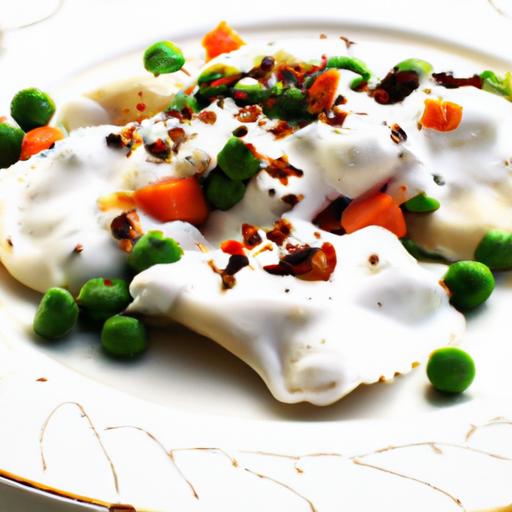
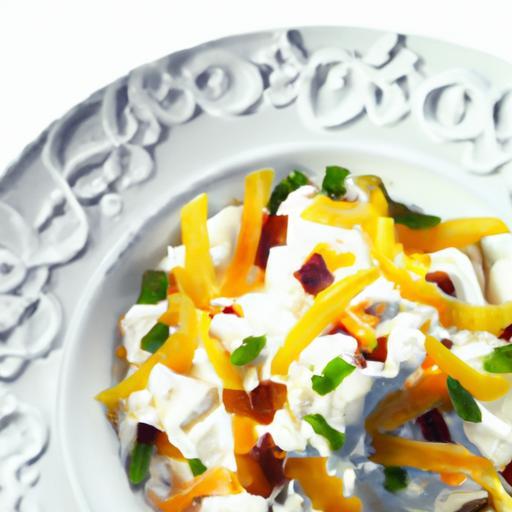
To best showcase this creamy blend’s adaptability, dollop it over warm pierogi, drizzle atop baked potatoes, or serve alongside roasted vegetables for a luscious contrast. Garnish with a sprig of dill and a light sprinkle of smoked paprika for a visually striking and flavor-packed presentation. This blend is also superb as a dip for crisp crackers or fresh crudités, inviting guests to savor the nuanced creamy symphony.
| Nutritional Information (per 2 tbsp) | Calories | Protein | Carbs | Fat |
|---|---|---|---|---|
| Smetana/Sour Cream Blend | 60 | 1g | 1.5g | 6g |
| Crème Fraîche (if used exclusively) | 80 | 1g | 1g | 8g |
Explore more creamy cooking tips and recipes here to elevate your culinary repertoire. For deeper insight into dairy cultures and fermentation, visit Cultures for Health’s guide on crème fraîche.

Q&A
Q&A: Smetana, Sour Cream & Crème Fraîche: Creamy Differences Explained
Q1: What exactly is smetana, and where does it come from?
A1: Smetana is a rich, silky dairy product popular in Eastern Europe, particularly Russia, Ukraine, and Poland. It’s a cultured cream similar to sour cream but usually a bit thicker and less tangy. Traditionally, it’s made by fermenting heavy cream with natural lactic acid bacteria, resulting in a luscious, creamy texture that’s perfect for dolloping on borscht or mixing into hearty stews.
Q2: How does sour cream differ from smetana?
A2: Sour cream and smetana are like creamy cousins-both cultured dairy products but with subtle distinctions. Sour cream, common across the U.S. and Europe, tends to have a milder tang and a thinner consistency than smetana. It generally contains about 20% fat, whereas smetana can be richer, sometimes hitting up to 40%. The flavor of sour cream is bright and slightly acidic, making it great as a topping or in dips.
Q3: What about crème fraîche? How does it stack up?
A3: Crème fraîche is the French superstar of cultured creams-luxuriously thick, velvety, and less sour than sour cream. It boasts a fat content around 30-40%, giving it a smooth, buttery mouthfeel. Unlike sour cream, crème fraîche can be simmered or whisked into hot sauces without curdling, making it a versatile ingredient in gourmet cooking.
Q4: Can these creams be used interchangeably in recipes?
A4: While smetana, sour cream, and crème fraîche share a family resemblance, swapping them isn’t always straightforward. Smetana and crème fraîche are better suited for cooking because they resist curdling thanks to their higher fat content. Sour cream’s lower fat and tangier punch might curdle under heat but works wonderfully cold-think dolloped on baked potatoes or stirred into chilled dips.
Q5: What flavors and textures make each unique in cooking?
A5: Smetana’s rich creaminess and mild tang lend depth to eastern European dishes, balancing spicy or smoked flavors beautifully. Sour cream provides a fresh, zesty note that perks up Mexican cuisine, baked goods, and dips. Crème fraîche, with its elegant creaminess and subtle sharpness, elevates delicate sauces, soups, and desserts, adding a silky finish.
Q6: Are there any cultural or traditional culinary uses tied to each?
A6: Absolutely! Smetana is a staple in Eastern European kitchens-think lavishly stirred into hearty borscht or spooned over pierogi. Sour cream is a go-to in American, Mexican, and German cooking, brightening chili bowls or topping baked potatoes. Crème fraîche reigns supreme in French gastronomy, enriching velouté sauces, fresh fruit desserts, and creamy tarts with its signature smoothness.
Q7: How should these creams be stored for best quality?
A7: All three should be kept refrigerated and consumed within a week or so after opening. Because smetana and crème fraîche have higher fat contents and denser textures, they generally stay fresh a bit longer than sour cream. Always check for spoilage signs like mold or off smells, and give them a gentle stir before use.
Q8: Any tips for making these creams at home?
A8: Yes! You can culture your own by mixing heavy cream with a tablespoon of buttermilk or live yogurt and letting it ferment at room temperature for 12-24 hours. For smetana, use a higher fat cream and a longer fermentation. Crème fraîche often requires unpasteurized cream for authentic flavor but can be approximated with pasteurized cream plus starter culture. Sour cream is the easiest-just culture regular heavy cream with a probiotic base.
Q9: Why are these creamy delights so beloved worldwide?
A9: Because they turn ordinary dishes into comfort food masterpieces! Their velvety textures and tangy nuances add complexity, richness, and moisture balancing flavors with a mellow tang. Whether dolloped, stirred, or cooked in, smetana, sour cream, and crème fraîche are the secret whisperers of culinary magic-a creamy kiss to every bite.
Concluding Remarks
As we wrap up this creamy journey through the world of Smetana, sour cream, and crème fraîche, one thing is clear: while they may look alike and share a luscious texture, each brings its own unique flair to the table. Whether you’re dolloping, stirring, or baking, understanding these subtle differences empowers you to elevate your dishes with confidence and finesse. So next time your recipe calls for a touch of creaminess, you’ll know exactly which velvety gem to reach for-turning every meal into a deliciously cultured experience. Here’s to savoring the rich diversity of dairy, one spoonful at a time!