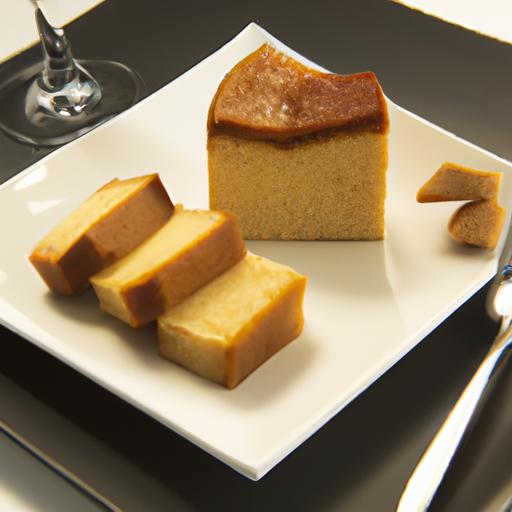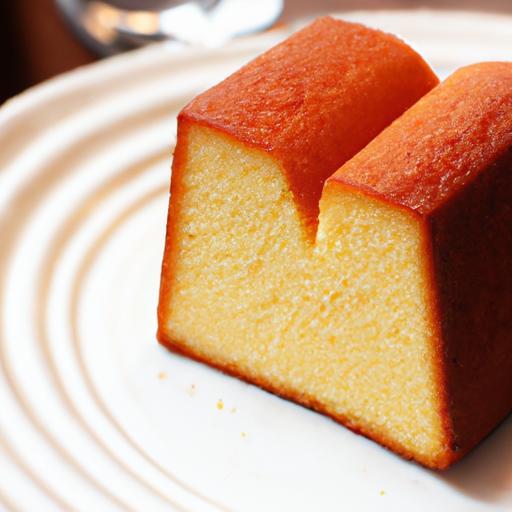

In a world filled with elaborate desserts and extravagant confections, sometimes the sweetest joys come in the smallest, simplest bites. Enter Japanese baby castella cakes-a delightful treat that’s as charming as it is delicious. These petite, golden sponge cakes, with their tender crumb and subtle sweetness, carry a rich history steeped in tradition and community. Whether enjoyed at bustling festivals or cozy home kitchens, baby castella cakes capture the essence of Japan’s love for craftsmanship and comfort food. In this article, we’ll explore the cultural story behind these tiny treasures and guide you step-by-step on how to make your own batch of sweet tradition, bringing a little slice of Japan right into your home.
Japanese Baby Castella cakes capture hearts with their charming golden tops, delicate crumb, and a whisper of sweet honey that melts in your mouth. Choosing the perfect ingredients is the first step in embracing this sweet tradition, unlocking the authentic flavors that transport you to the vibrant streets of Nagasaki’s festivals. Each component plays a vital role-from the fine-textured flour that shapes the soft batter to the fresh eggs that give the cakes that iconic airy lightness.
Prep and Cook Time
Preparation: 20 minutes
Cooking: 15 minutes
Total Time: 35 minutes
Yield
Approximately 15 baby castella cakes (about 2-inch diameter each)
Difficulty Level
Medium – Requires gentle folding technique and careful temperature control
Ingredients
- 3 large eggs (fresh and room temperature for best rise)
- ¾ cup granulated sugar
- 2 tablespoons pure honey (preferably floral or mild flavor)
- 1 cup all-purpose flour, sifted
- 1 teaspoon baking powder
- 2 tablespoons whole milk
- 1 tablespoon unsalted butter, melted and cooled
- Vegetable oil, for greasing the pan
Instructions
- Preheat your baby castella pan over low heat or prepare your castella mold by lightly oiling and heating it to ensure non-stick results.
- In a large bowl, whisk eggs and sugar vigorously until the mixture becomes pale, thick, and triples in volume-about 8 minutes. This aeration is key to a fluffy texture.
- Stir in the honey gently, maintaining the airy batter with soft strokes.
- In a separate bowl, combine the sifted flour and baking powder carefully.
- Fold the dry ingredients into the egg mixture in small portions, using a spatula with slow, deliberate turns to avoid deflating the batter.
- Add the milk and melted butter, folding until fully incorporated but still airy.
- Spoon the batter into the preheated baby castella molds, filling each cavity about 85% full to allow room for rise.
- Cook on low heat for approximately 15 minutes, flipping the pan gently halfway to ensure even browning on both sides. Avoid high heat to prevent uneven cooking or burning.
- When the tops are golden brown and a toothpick inserted comes out clean, remove the cakes and cool on a wire rack.
Tips for Success
- To achieve the perfect soft and fluffy texture, always use fresh, room-temperature eggs and whisk them until they reach a ribbon stage.
- Honey adds a subtle floral sweetness-feel free to experiment with chestnut or acacia honey for unique flavor nuances.
- If you don’t have a baby castella pan, a small muffin pan or silicone molds can work-adjust baking time accordingly.
- For a lighter crumb, fold the dry ingredients gently and avoid over-mixing which can toughen the delicate crumb.
- Make ahead: Baby castella taste best fresh but can be stored in an airtight container at room temperature for up to 2 days.
- If the cakes develop a dense texture, ensure there was adequate aeration during the egg-whisking step and that the heat wasn’t too high during cooking.
Serving Suggestions
Present these bite-sized wonders warm or at room temperature. Sprinkle with powdered sugar or garnish with a light dab of whipped cream or seasonal fruit preserves for added decadence. For an authentic touch, serve alongside a cup of Japanese green tea to balance the sweet flavors perfectly. These little cakes also delight when infused with a subtle matcha glaze or dipped in a light chocolate sauce for modern fusion flair.
| Nutrient | Per Serving (1 cake) |
|---|---|
| Calories | 90 kcal |
| Protein | 2 g |
| Carbohydrates | 13 g |
| Fat | 3 g |
For more delightful Japanese desserts, explore our detailed guide on How to Make Matcha Desserts and elevate your homemade sweet tradition collection.

Q&A
Q&A: Sweet Tradition – How to Make Japanese Baby Castella Cakes
Q1: What are Japanese Baby Castella Cakes?
A: Japanese Baby Castella Cakes are tiny, fluffy, and sweet sponge cakes, often shaped like little rounded rectangles. Originating from Portuguese castella introduced to Japan in the 16th century, these bite-sized treats have become a beloved festival favorite, celebrated for their soft texture and caramelized exterior.
Q2: Why are they called “Baby” Castella?
A: The “baby” refers to their petite size-miniature versions of the traditional castella loaf. Their small, handheld portions make them easy to enjoy on the go, especially at festivals where they’re sold fresh and warm from street stalls.
Q3: What ingredients do I need to make Baby Castella at home?
A: The classic recipe calls for simple pantry staples: flour, sugar, eggs, honey, and a touch of milk. Unlike many other cakes, they don’t require butter or oil, which contributes to their light and airy texture. The secret lies in carefully beating the eggs and folding the batter delicately to trap air.
Q4: How do I achieve the perfect texture?
A: The key is creating a fluffy meringue by beating egg whites with sugar until stiff peaks form, then gently folding in the yolk mixture and sifted flour. Baking at a moderate temperature ensures gentle cooking, developing a golden crust while keeping the inside moist and springy.
Q5: Do I need special equipment to make Baby Castella?
A: While traditional castella molds help achieve the signature shape, you can use mini loaf pans or even silicone molds. A basic electric mixer or hand whisk will do the trick for whipping the egg whites. For authentic results, an electric castella cake machine is popular in Japan but not essential for home bakers.
Q6: Can I add flavors or fillings?
A: Absolutely! While the classic taste is honey-sweetened plain sponge, many modern twists include matcha (green tea), chocolate, cheese, or azuki bean paste fillings. These variations add new layers of flavor while honoring tradition.
Q7: How should I serve and store Baby Castella?
A: Best enjoyed fresh and warm, Baby Castella pairs beautifully with tea or coffee. If stored, keep them in an airtight container at room temperature for a day or two, but note they’re at their fluffiest shortly after baking.
Q8: Why is Baby Castella such an enduring tradition in Japan?
A: Beyond its delightful taste, Baby Castella symbolizes the fusion of cultures and the joy of simple pleasures. It’s a nostalgic taste that evokes childhood memories, festival excitement, and a shared love for sweet traditions passed down through generations.
With these insights, you’re ready to embark on your own journey to create these charming Japanese Baby Castella Cakes-tiny bites of history and happiness!
Insights and Conclusions
As the warm, golden bites of baby castella melt gently on your tongue, you’re not just savoring a simple sponge cake-you’re tasting a piece of Japanese culture steeped in history and tradition. Making these delightful treats at home invites you to partake in a sweet ritual that spans generations, blending old-world charm with modern-day joy. Whether enjoyed as a comforting snack or shared with loved ones during special moments, baby castella embody the spirit of celebration and togetherness. So, roll up your sleeves, embrace the art of gentle folding and perfect browning, and let each bite transport you to the bustling streets of Japan, where every castella is a bite of happiness wrapped in tradition.