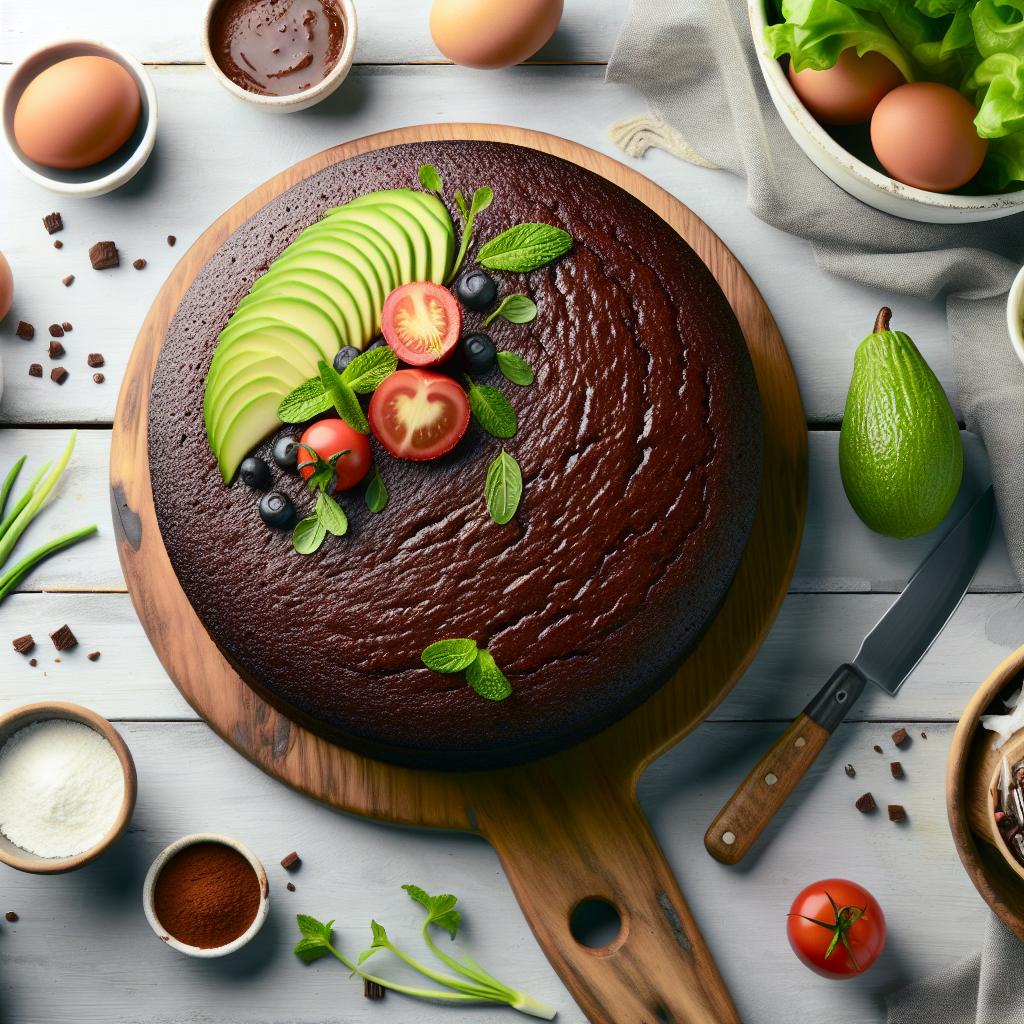
There’s something undeniably magical about a slice of moist chocolate cake-the way it melts on your tongue, rich and velvety, yet light enough to make you crave just one more bite. But achieving that perfect balance of fudgy, tender crumb and deep chocolate flavor? It’s an art and a science, masterfully woven together in the kitchen. Whether you’re a seasoned baker or a curious novice, “The Ultimate Guide to Baking Moist Chocolate Cake Perfection” will take you on a delicious journey through essential tips, foolproof techniques, and secret ingredients that elevate your cake from ordinary to extraordinary. Prepare to unlock the secrets behind that irresistibly luscious chocolate cake that’s as delightful to make as it is to devour.
The Ultimate Guide to Baking Moist Chocolate Cake Perfection
The ultimate guide to baking moist chocolate cake perfection begins with selecting ingredients that not only heighten flavor but also contribute to a luxurious, tender crumb. Imagine the rich aroma of deep cocoa enhanced by fresh, quality components-each element playing a vital role in creating a dessert that delights with every bite.
Prep and Cook Time
Preparation: 20 minutes
Baking: 30 minutes
Total Time: 50 minutes
Yield
Serves 10-12 slices
Difficulty Level
Medium
Ingredients
- 1¾ cups all-purpose flour, sifted
- 2 teaspoons baking powder
- ¾ cup unsweetened cocoa powder, high-quality Dutch-processed
- 1½ teaspoons baking soda
- ½ teaspoon fine sea salt
- 1 cup granulated sugar
- 1 cup light brown sugar, packed
- 2 large eggs, at room temperature
- ¾ cup buttermilk, shaken
- ½ cup vegetable oil
- 2 teaspoons pure vanilla extract
- 1 cup hot brewed coffee (freshly made, not boiling)
Instructions
- Preheat your oven to 350°F (175°C) and grease two 9-inch round cake pans. Line the bottoms with parchment paper for an easy release.
- Whisk together dry ingredients: In a large bowl, sieve the flour, cocoa powder, baking powder, baking soda, and salt. This ensures even distribution and a smooth batter texture.
- Mix sugars and wet ingredients: In a separate bowl, beat the granulated sugar, brown sugar, eggs, and vegetable oil until light and creamy, about 3 minutes. This step is crucial for moisture retention.
- Alternate adding dry ingredients and buttermilk: Incorporate the sifted dry mix in three parts, alternating with buttermilk in two additions. Begin and end with dry ingredients. Mix gently to prevent overworking the batter, promoting a tender crumb.
- Add vanilla and hot coffee: Stir in the vanilla extract, then carefully fold in the hot coffee. The coffee amplifies the chocolate flavor without imparting bitterness, keeping the crumb moist.
- Divide batter evenly: Pour the mixture into prepared pans and smooth the tops with a spatula for uniform baking.
- Bake for 28-32 minutes: Check doneness by inserting a toothpick in the center; it should come out with moist crumbs attached, never wet batter.
- Cool completely: Allow cakes to cool in their pans for 10 minutes, then invert onto wire racks. Cooling fully prevents frosting from melting and slipping.
Tips for Success
- Use fresh baking powder and baking soda to ensure proper rise.
- The addition of coffee is a baker’s secret weapon to deepen chocolate flavor while keeping the texture irresistibly moist.
- Do not overmix batter once liquids are combined, as this can make the cake dense.
- Room temperature eggs and buttermilk blend more easily and contribute to even baking.
- For a naturally gluten-free twist, substitute the all-purpose flour with a 1:1 gluten-free baking flour blend.
- Make ahead: Bake the layers a day early and wrap tightly; this enhances moisture retention and eases assembly on the day of serving.
Serving Suggestions
Delight guests by frosting the cake with a silky, rich chocolate ganache or a cloud-like whipped cream cheese frosting. For a stunning presentation, pipe delicate rosettes around the edges and dust the top lightly with cocoa powder or fine chocolate shavings. Garnish with fresh raspberries or a sprinkle of crushed toasted hazelnuts to add crunch and contrast. Serve slices alongside a scoop of homemade vanilla bean ice cream or a drizzle of raspberry coulis to elevate the indulgence.

Nutritional Information per Serving
| Calories | Protein | Carbs | Fat |
|---|---|---|---|
| 350 | 5g | 45g | 15g |
For additional techniques on complementary frostings, visit our Decadent Chocolate Frosting Recipes guide.
Learn more about the benefits of buttermilk in baking at The Culinary Institute of America.
Q&A
Q&A: The Ultimate Guide to Baking Moist Chocolate Cake Perfection
Q1: What’s the secret to achieving a super moist chocolate cake?
A1: Moisture magic lies in balancing wet and dry ingredients while avoiding overbaking. Ingredients like buttermilk, sour cream, or oil (instead of butter) add tender moisture. Using coffee or hot water enhances the chocolate flavor without drying the batter. And remember-timing is everything. Pull your cake out the moment a toothpick comes out with a few moist crumbs.
Q2: Can I use regular cocoa powder for a rich chocolate taste?
A2: Absolutely! Both natural and Dutch-processed cocoa powders work well. Dutch-processed has a smoother, mellow flavor and darker color, while natural cocoa is tangier and more acidic. Adjust baking soda or baking powder accordingly-because the acidity affects chemical reactions that help your cake rise.
Q3: How important is room temperature for ingredients?
A3: Crucial! Room temperature eggs and dairy blend more smoothly with dry ingredients, creating a uniform batter that traps air bubbles evenly. Cold ingredients can lead to dense or uneven crumb, robbing your cake of its silky texture.
Q4: Why add coffee or espresso to chocolate cake batter?
A4: Coffee acts like a flavor amplifier, intensifying chocolate’s deep, rich notes without making the cake taste like coffee. Just a splash of brewed coffee or espresso powder boosts the chocolate’s depth subtly but dramatically.
Q5: Is it better to use oil or butter in chocolate cake?
A5: For ultimate moistness, oil is your best friend-especially neutral oils like canola or vegetable. Oil stays liquid at room temperature, keeping your cake tender and moist longer. Butter adds flavor and structure but can dry out faster. Many bakers balance the two for the best of both worlds.
Q6: How do I prevent my chocolate cake from sinking in the middle?
A6: Overmixing, too much leavening, or oven temperature quirks often cause sinking. Mix gently to combine, measure baking powder/soda precisely, and ensure your oven is calibrated. Resist opening the oven door too early-the sudden temperature drop can deflate your cake’s rise.
Q7: Should I use baking powder or baking soda in my chocolate cake?
A7: It depends on your recipe’s acidity. Baking soda neutralizes acidic ingredients like buttermilk or cocoa, helping the cake rise and loosening the crumb. Baking powder works with neutral pH batters by releasing gas when heated. Many recipes use both for a perfect rise.
Q8: How can I store my moist chocolate cake to keep it fresh?
A8: Wrap your cooled cake tightly in plastic wrap, then foil, or store it in an airtight container. Refrigerate only if your frosting contains dairy. At room temp, your cake stays moist for about 3 days. For longer life, freeze wrapped layers for up to 3 months-thaw at room temperature before frosting.
Bake your way through these tips, and say hello to the moist, perfectly luscious chocolate cake of your dreams!
To Wrap It Up
As you close the oven door on this guide, remember: baking the perfect moist chocolate cake is a delicious blend of science, patience, and a touch of love. With these tips and techniques in your toolkit, each slice you serve will be a masterpiece of rich, tender decadence. So go ahead, preheat that oven, gather your ingredients, and let your kitchen become a haven where chocolate dreams are baked to perfection-one moist, sumptuous bite at a time. Happy baking!