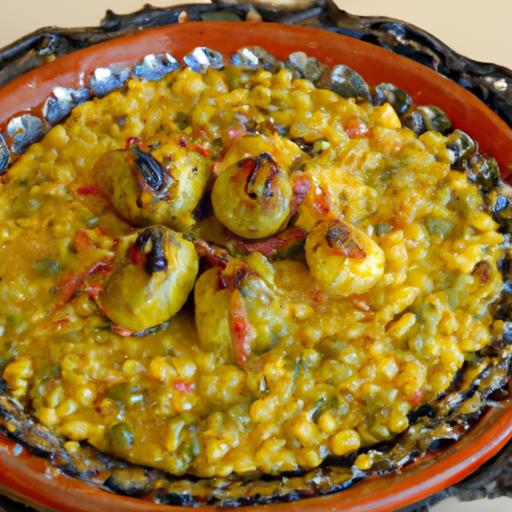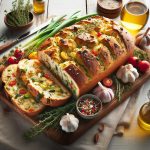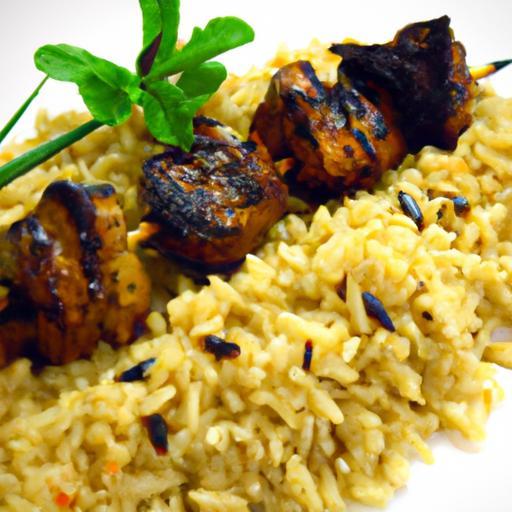

In the vibrant heart of Tunisia, where history dances with modern life and every corner hums with stories, the true soul of the city reveals itself not in monuments, but on its streets. Tunis street eats are a captivating mosaic of flavors, aromas, and traditions-each bite offering a glimpse into the rich cultural tapestry of the region. Join us as we embark on a flavorful journey through bustling markets, humble food stalls, and aromatic alleyways, uncovering the beloved local bites that define Tunisian street cuisine. From savory pastries to spicy stews, this is more than just food-it’s an invitation to taste the city’s heritage, one delicious morsel at a time.
Tunis Street Eats: A Flavorful Journey Through Local Bites
Tunis Street Eats awaken the senses with a mosaic of spices, fresh ingredients, and centuries-old recipes that pulse through the lively marketplaces of Tunisia’s capital. Among the countless delights found on narrow alleyways, one dish stands out for its irresistible blend of textures and tastes: the iconic Brik à l’œuf. This crispy, golden parcel filled with savory egg and fragrant harissa is a perfect introduction to the rich tapestry of Tunisian street food culture.
Prep and Cook Time
Preparation: 10 minutes Cooking: 5 minutes Total: 15 minutes
Yield
4 servings (2 briks per person)
Difficulty Level
Easy – Ideal for home cooks seeking a quick yet authentic taste of Tunisian street eats
Ingredients
- 4 sheets of malsouka pastry (or phyllo as alternative)
- 4 large eggs
- 1/2 cup canned tuna in olive oil, drained and flaked
- 2 tbsp fresh parsley, finely chopped
- 1 tbsp harissa paste (adjust to taste)
- 1 small onion, finely chopped
- Salt and black pepper, to taste
- Vegetable oil, for frying
Instructions
- Prepare the filling: In a bowl, mix the flaked tuna, finely chopped onion, parsley, and harissa. Season lightly with salt and pepper. Combine well but avoid overmixing to keep texture.
- Assemble the brik: Lay one malsouka sheet flat on a clean surface. Spoon about 2 tablespoons of the tuna mixture onto one half of the sheet, spreading thinly but evenly.
- Add the egg: Crack one egg carefully over the filling-try to keep the yolk intact for a beautiful presentation. Fold the sheet over to form a triangle or half-moon shape, sealing the edges by pressing firmly. If needed, moisten edges with water for a better seal.
- Heat the oil: In a shallow frying pan, heat enough vegetable oil to cover half the briks. Bring the oil to medium-high heat, about 350°F (175°C).
- Fry the briks: Gently slide each brik into the hot oil. Fry until the pastry is golden brown and crisp-about 3 to 4 minutes. Flip carefully halfway to ensure even color and crispness. Remove and drain on paper towels.
- Serve immediately: The brik is best eaten piping hot so the egg inside remains runny and the pastry perfectly crunchy.
Chef’s Notes
- Substitute phyllo sheets if malsouka is unavailable, but handle carefully as phyllo is more delicate.
- For a vegetarian twist, replace tuna with boiled potatoes or sautéed spinach with garlic.
- If you prefer cooked eggs inside, cover the assembled brik with a lid while frying to gently steam the filling.
- Make ahead tip: Assemble the briks, place on parchment paper, and refrigerate for up to 2 hours before frying.
- Use fresh harissa or store-bought for authenticity; adjust spice level based on preference.
Tunis Street Eats: Serving Suggestions
Present your briks on rustic ceramic plates with a wedge of lemon on the side-its citrus brightness cuts through the richness beautifully. Garnish with a handful of fresh parsley and a drizzle of extra virgin olive oil. Pair with a crisp, refreshing mint tea to balance the savory heat.
For a fuller street food experience, combine brik with a plate of couscous salad or a bowl of lablabi (a fragrant chickpea soup) to echo the bustling flavors of Tunis’s vibrant sidewalks.
| Nutrition | Per Serving |
|---|---|
| Calories | 320 kcal |
| Protein | 18 g |
| Carbohydrates | 22 g |
| Fat | 15 g |

Q&A
Q&A: Tunis Street Eats – A Flavorful Journey Through Local Bites
Q1: What makes Tunis street food so unique and worth exploring?
A1: Tunis street food is a vibrant tapestry of flavors that reflects the city’s rich history and diverse cultural influences. From aromatic spices to fresh, locally sourced ingredients, the street eats in Tunis offer an authentic taste experience that combines Mediterranean zest with North African soul. It’s more than just a meal-it’s a story served on a plate.
Q2: Which must-try street foods define the Tunisian culinary scene?
A2: When wandering through the bustling alleys of Tunis, you can’t miss classics like Brik-a crispy, savory pastry filled with egg, tuna, or meat; Lablabi, a hearty chickpea soup seasoned with garlic and cumin; and Makroudh, sweet semolina pastries soaked in date syrup. Each bite introduces you to a different facet of Tunisian tradition and hospitality.
Q3: Where are the best spots to experience authentic street food in Tunis?
A3: The Medina is the beating heart of Tunis’ street food culture. Near the ancient souks, vendors line the narrow lanes serving piping hot snacks that appeal to locals and curious travelers alike. Markets like Souk El Attarine and areas around Bab El Bhar are bursting with food stalls where scents of freshly cooked delicacies fill the air.
Q4: How do street food vendors in Tunis blend tradition with modern tastes?
A4: Tunisian street vendors are masters of balance, honoring recipes passed down through generations while embracing contemporary twists-like adding new ingredients or modern presentation styles. This fusion ensures that while you enjoy the nostalgic flavors of traditional dishes, there’s always something fresh and exciting to discover.
Q5: What should visitors keep in mind when sampling street food in Tunis?
A5: Embrace the adventure with an open palate and a spirit of curiosity! Look for spots bustling with locals to ensure freshness and authenticity. It’s wise to start with small portions to savor the complexity of spices and textures. And most importantly, enjoy the lively atmosphere-the conversations, the aromas, and the joyful camaraderie around each dish enrich the tasting experience.
Q6: Can Tunis street food cater to dietary preferences or restrictions?
A6: Absolutely! Tunisian cuisine offers a variety of vegetarian-friendly dishes like Lablabi and grilled vegetable snacks. Vendors are often happy to customize dishes or recommend options that suit specific dietary needs. Exploring Tunis street food is not only flavorful but also inclusive for diverse palates.
Q7: How does street food in Tunis reflect the city’s cultural identity?
A7: Each dish tells a story of Tunis’ geographic crossroads-melding Berber, Arab, French, and Mediterranean influences into a harmonious blend. Street food culture embodies the city’s communal spirit, where meals are shared, stories exchanged, and traditions celebrated, making the culinary journey deeply immersive and unforgettable.
Embarking on a street food tour in Tunis is like flipping through a living cookbook filled with tastes, textures, and tales that define this enchanting city. Whether you’re a seasoned foodie or a curious traveler, Tunis street eats promise a flavorful journey you’ll cherish long after your last bite.
Closing Remarks
As the sun sets over the lively streets of Tunis, the city’s vibrant energy is mirrored in the kaleidoscope of flavors that define its street eats. From the fragrant spices of freshly grilled merguez to the delicate sweetness of freshly baked bambalouni, each bite tells a story of tradition, culture, and community. Whether you’re a curious traveler or a passionate foodie, Tunis’s street food scene offers an unforgettable culinary adventure that goes beyond mere sustenance-it’s a true celebration of life’s simple, savory pleasures. So next time you find yourself wandering these bustling avenues, let your senses guide you and savor the authentic tastes that make Tunis meals a journey worth taking.