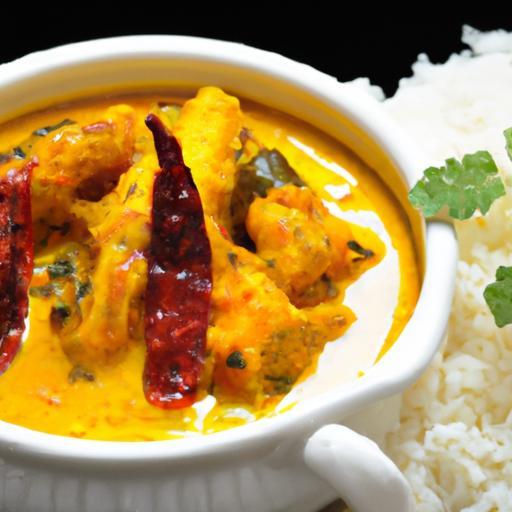

Step into the vibrant world of Indian street food, where every sizzling skillet and fragrant spice tells a story of centuries-old tradition and bold, unforgettable flavors. From the bustling lanes of Delhi to the colorful markets of Mumbai, authentic Indian street fare offers more than just a meal-it’s an invitation to experience culture, community, and culinary artistry in its most dynamic form. In this article, we’ll unlock the secret flavor tips that bring these iconic dishes to life, revealing how you can recreate that irresistible, mouth-watering magic right in your own kitchen. Prepare your taste buds for a delectable journey that goes beyond recipes, diving deep into the heart and soul of India’s street food heritage.
Unlock Authentic Indian Street Food through the vibrant symphony of spices that define these iconic dishes. Originating from bustling bazaars and roadside stalls, Indian street food is an explosion of layered flavors that awaken your senses. Having traveled extensively across India, I’ve discovered the secret lies in balancing aromatic spices with fresh ingredients to create an unforgettable taste experience that’s both comforting and exhilarating.
Prep and Cook Time
Preparation: 20 minutes | Cooking: 30 minutes | Total Time: 50 minutes
Yield
4 servings
Difficulty Level
Medium – Ideal for home cooks ready to explore traditional techniques and spice blends
Ingredients
- 1 cup all-purpose flour, sifted
- 1/2 cup semolina (rava), for crispiness
- 1 teaspoon ajwain (carom seeds), freshly ground
- 1 teaspoon cumin seeds, roasted and crushed
- 1/2 teaspoon turmeric powder
- 1/2 teaspoon red chili powder, adjust to taste
- 1 teaspoon chaat masala, for tangy zest
- 1/4 cup fresh coriander leaves, finely chopped
- 1 teaspoon ginger paste
- 1-2 green chilies, finely chopped
- 1 teaspoon lemon juice, freshly squeezed
- Salt to taste
- Warm water for kneading
- Oil for deep frying (mustard or vegetable oil preferred)
- 1 cup boiled and mashed potatoes (optional filling)
- 1/2 cup yellow moong dal, soaked and cooked (optional protein addition)
Instructions
- Prepare the dough: In a large mixing bowl, combine sifted all-purpose flour, semolina, ajwain, and cumin seeds. Add turmeric, red chili powder, chaat masala, and salt. Mix thoroughly.
- Add fresh ingredients: Stir in finely chopped coriander, ginger paste, green chilies, and lemon juice. This fresh burst of aroma is the essence of authentic flavor.
- Knead the dough: Gradually pour warm water and knead into a soft but firm dough. Cover with a damp cloth and let it rest for 15 minutes to allow the flavors to integrate.
- Prepare stuffing (optional): For a classic stuffed street food experience, mix boiled mashed potatoes with cooked yellow moong dal, a pinch of cumin powder, and salt.
- Shape the flatbreads: Divide dough into equal balls. On a lightly floured surface, roll each ball out into a thin circle, about 6-7 inches diameter. If stuffing, place a spoonful of filling in the center and carefully fold to seal before rolling out gently again.
- Heat oil properly: In a deep pan, heat mustard oil until it shimmers but is not smoking. Test by dropping a small dough piece-it should bubble immediately.
- Deep fry flatbreads: Carefully slide rolled dough into hot oil. Fry on medium-high heat until golden brown and crisp, about 2-3 minutes per side. Use a slotted spoon to turn and remove.
- Drain excess oil: Place fried pieces on paper towels to absorb oil; serve piping hot to retain crunchiness and flavor.
Tips for Success
- Knead the dough until silky smooth; this makes the final texture light and crisp.
- Adjust spice levels early; Indian street food spices can be bold-start mild and increase gradually.
- Always use fresh spices, roasting whole seeds like cumin right before grinding to intensify aroma.
- For gluten-free variation, substitute all-purpose flour with chickpea flour (besan) but expect a slightly different texture.
- Make dough a day ahead and refrigerate to deepen flavor; bring to room temperature before frying.
Serving Suggestions
Present these golden, aromatic flatbreads alongside tangy tamarind chutney and cooling mint yogurt dip to highlight the burst of spices. Garnish with a sprinkle of finely chopped coriander and a dash of chaat masala. Pair with a fresh salad of thinly sliced onions, tomatoes, and cucumbers tossed in chaat masala for the classic street-side experience. A warm cup of masala chai completes this comforting meal beautifully.
| Nutrient | Per Serving | % Daily Value |
|---|---|---|
| Calories | 320 kcal | 16% |
| Protein | 7 g | 14% |
| Carbohydrates | 45 g | 15% |
| Fat | 12 g | 18% |

Master the Flavors of India: Unlock Authentic Indian Street Food Tips
Unlock Authentic Indian Street Food at home easily by sourcing fresh ingredients from local spice markets or specialty Indian stores. Look for whole spices like coriander seeds, mustard seeds, and fresh green chilies. To deepen your culinary journey, explore traditional cooking techniques such as dry roasting spices and slow cooking with a sealed lid to lock in moisture and aroma.
For further inspiration, discover our comprehensive guide on Indian spices, and learn how to recreate other beloved street bites. Also, for trustworthy information on Indian culinary heritage, visit Britannica’s Indian cuisine entry.
Q&A
Q&A: Unlock Authentic Indian Street Food – Top Flavor Tips Revealed
Q1: What makes Indian street food truly authentic?
A: Authentic Indian street food is a vibrant celebration of bold spices, fresh ingredients, and time-honored cooking techniques. It’s not just about taste; it’s about capturing the soul of India’s bustling streets-the sizzling sounds, aromatic wafts, and colorful displays that come alive in every bite.
Q2: Which spices are essential to mastering Indian street food flavors?
A: The magic lies in a harmonious blend of spices such as cumin, coriander, turmeric, mustard seeds, and garam masala. Amchur (dried mango powder) and chaat masala add that iconic tangy zing, elevating flavors from simple to spectacular.
Q3: How important is the balance of flavors in Indian street food?
A: Balance is the key! Indian street food dances on the palate with the perfect interplay of sweet, sour, salty, spicy, and savory elements. Think tangy tamarind chutneys paired with cooling yogurt or fiery green chutneys balanced by crunchy, salty snacks.
Q4: Can I recreate street food magic at home without complicated ingredients?
A: Absolutely. Focus on fresh herbs like cilantro and mint, simple spices you can find in most markets, and mastering a few classic chutneys. The real secret? Freshness, patience, and a willingness to experiment with layering flavors.
Q5: What street food dishes are the best starting points for beginners?
A: Start with beloved classics such as pani puri, samosas, or pav bhaji. These dishes are flavorful yet forgiving, offering a brilliant introduction to Indian spices and textures without overwhelming newcomers.
Q6: Any insider tips for unlocking maximum flavor?
A: Toast your spices lightly before grinding for deeper aroma, always use fresh lemon or tamarind for acidity, and don’t shy away from finishing dishes with a sprinkle of chaat masala or a drizzle of ghee (clarified butter) for richness.
Q7: How does the culture of Indian street food influence its flavors?
A: Indian street food is shaped by regional traditions, festivals, and even local climate, making each bite a unique story. The flavors are a mirror to India’s diversity-hot and spicy in the north, tangy and coastal in the south, and a melting pot of tastes across its streets.
Q8: What’s the biggest misconception about Indian street food?
A: That it’s overly complicated or intimidating to cook. In reality, its charm lies in rustic simplicity blended with bold flavor punches. With a few key ingredients and understanding foundational techniques, anyone can unlock the essence of Indian street cuisine at home.
Q9: How does texture play a role in Indian street food?
A: Texture is the unsung hero-from crispy fried snacks to soft steamed dumplings and juicy, tangy fillings. The crunchy, chewy, and saucy contrasts create a multisensory eating experience that’s as much about mouthfeel as taste.
Q10: Where can I find trustworthy recipes to begin my Indian street food journey?
A: Look for recipes by renowned chefs who specialize in Indian cuisine, authentic food blogs that focus on street eats, and cookbooks dedicated to regional Indian flavors. Combining their guidance with personal experimentation will help unlock true street food magic.
Concluding Remarks
As you embark on your flavorful journey through the vibrant world of Indian street food, these top flavor tips will be your trusted guide to unlocking authentic tastes that dance on your palate. From the tangy tamarind chutneys to the fiery bursts of freshly ground spices, every ingredient tells a story steeped in tradition and passion. So, whether you’re recreating a beloved roadside snack in your own kitchen or seeking out hidden gems on bustling streets, let these insights transform your experience into a true celebration of India’s culinary soul. Dive in, savor boldly, and let the authentic flavors of Indian street food awaken your senses like never before.