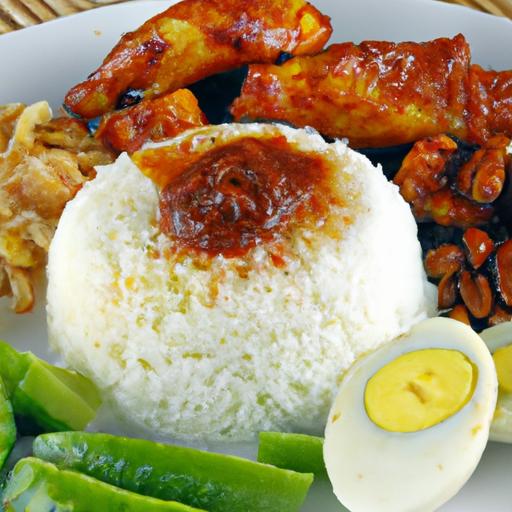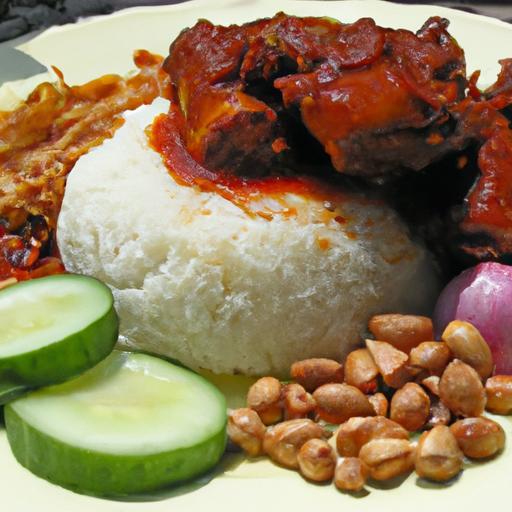

In the vibrant tapestry of Malaysian cuisine, few dishes capture the nation’s heart quite like nasi lemak. This iconic plate-fragrant coconut rice nestled beside spicy sambal, crispy anchovies, toasted peanuts, and boiled eggs-transcends mere sustenance to become a cultural emblem. But behind every flavorful bite lies a treasure trove of culinary secrets, passed down through generations and guarded with affectionate care. Join us as we embark on a flavorful journey, unlocking Malaysia’s authentic nasi lemak recipe secrets, and uncover the art and tradition that transform humble ingredients into a legendary feast.
Unlocking Malaysia’s Authentic Nasi Lemak Recipe Secrets
Unlocking Malaysia’s Authentic Nasi Lemak Recipe Secrets begins with understanding the soul of this beloved dish-a harmonious blend of fragrant coconut rice, fiery sambal, and meticulously chosen accompaniments that come together to create a culinary masterpiece. Originating as a humble farmer’s breakfast, nasi lemak has evolved into Malaysia’s cherished national dish, inviting a symphony of textures and flavors that captivate all who taste it. In this guide, you’ll learn to master each element with confidence, from the creamy, aromatic rice that forms its heart to the balanced sambal bursting with sweet, spicy, and smoky notes, all crowned by vibrant garnishes that make every bite unforgettable.
Prep and Cook Time
- Preparation: 20 minutes
- Cooking: 45 minutes
- Total Time: 1 hour 5 minutes
Yield
Serves 4 generous portions
Difficulty Level
Medium – Perfect for home cooks ready to elevate their skills with authentic Malaysian flavors
Ingredients for Fragrant Coconut Rice
- 2 cups jasmine rice, rinsed until water runs clear
- 1 cup thick coconut milk
- 1 ½ cups water
- 1 pandan leaf, knotted
- 1 teaspoon salt
- 1 small piece of ginger (about 1 inch), peeled and smashed
Ingredients for Authentic Sambal
- 10 dried red chilies, soaked in warm water until softened
- 5 fresh red bird’s eye chilies (adjust to heat preference)
- 6 shallots, peeled
- 4 cloves garlic, peeled
- 1 tablespoon tamarind paste mixed with ½ cup water
- 3 tablespoons cooking oil (preferably coconut or vegetable oil)
- 2 tablespoons palm sugar (substitute brown sugar if unavailable)
- Salt to taste
Essential Accompaniments
- 2 hard-boiled eggs, halved
- 1 cup crispy fried anchovies (ikan bilis)
- 1 cup roasted peanuts
- 1 cucumber, thinly sliced
Instructions
- Prepare the Coconut Rice: Combine rinsed jasmine rice, coconut milk, water, salt, ginger, and pandan leaf in a heavy-bottomed pot or rice cooker. Bring to a boil, then reduce heat to low, cover, and simmer for 15 minutes. Remove from heat and let it steam for another 10 minutes without opening the lid. Fluff with a fork before serving.
- Make the Sambal Paste: Drain softened dried chilies. In a food processor or mortar and pestle, blend dried chilies, fresh bird’s eye chilies, shallots, and garlic to a smooth paste.
- Cook the Sambal: Heat oil in a saucepan over medium heat. Sauté the chili paste until fragrant and the oil begins to separate, about 7-10 minutes, stirring constantly to prevent burning.
- Add Tamarind and Sugar: Pour the tamarind water into the pan and stir. Add palm sugar and salt, cooking until the sambal thickens to a jam-like consistency, about 10-15 minutes. Adjust seasoning to balance sweet, spicy, and smoky flavors.
- Prepare the Accompaniments: Toast peanuts in a dry pan until golden, and fry anchovies until crispy. Slice cucumber thinly and boil eggs to preferred firmness.
- Assemble the Dish: Scoop a generous mound of coconut rice onto each plate. Artfully arrange sambal, halved eggs, anchovies, peanuts, and cucumber slices around the rice.
Chef’s Notes: Tips for Success
- For creamier rice, use fresh coconut milk rather than canned.
- If the sambal turns out too bitter, a touch more palm sugar will balance it perfectly.
- Leaving the pandan leaf in the rice during cooking infuses a subtle, sweet aroma essential for authenticity.
- Make sambal a day ahead to allow flavors to deepen; it keeps well refrigerated for up to 5 days.
- Experiment with adding dried shrimp or belacan (fermented shrimp paste) for a richer sambal profile.
Serving Suggestions
Present your nasi lemak on banana leaves for a traditional, rustic touch that enhances its aroma and visual appeal. Garnish with fresh cilantro or sliced red chilies for color contrast. Enjoy with a side of fragrant teh tarik or chilled coconut water to balance the layers of heat and creaminess.

| Nutrient | Per Serving |
|---|---|
| Calories | 520 kcal |
| Protein | 18 g |
| Carbohydrates | 65 g |
| Fat | 20 g |
For more Malaysian recipes and culinary insights, explore our Malaysian Recipes Collection and learn how to bring authentic Southeast Asian flavors to your kitchen. To deepen your understanding of traditional ingredients like pandan and coconut milk, visit Britannica’s pandan overview.
Q&A
Q&A: Unlocking Malaysia’s Authentic Nasi Lemak Recipe Secrets
Q1: What makes Nasi Lemak the quintessential Malaysian dish?
A1: Nasi Lemak is more than just food; it’s a flavorful cultural tapestry in a single meal. Its fragrant coconut milk-infused rice, paired with spicy sambal, crunchy peanuts, crispy anchovies, and perfectly boiled eggs, captures Malaysia’s rich heritage and diverse palate in every bite.
Q2: What is the secret to achieving the perfect Nasi Lemak rice?
A2: The magic starts with the rice soaked and cooked in rich coconut milk alongside pandan leaves and a pinch of salt. The pandan leaves impart a subtle floral aroma, while the coconut milk lends a creamy texture. The key lies in balancing the liquid ratio-too much milk makes it heavy; too little, and it loses that signature creaminess.
Q3: How essential is the sambal in authentic Nasi Lemak?
A3: Sambal is the fiery soul of Nasi Lemak. Traditional sambal blends dried chili peppers, fresh chilies, shallots, garlic, tamarind juice, and a touch of belacan (fermented shrimp paste). The trick? Slow-cooking the sambal until it thickens, caramelizes, and deepens into a luscious, smoky condiment that perfectly complements the mild rice.
Q4: Are there any special tips for preparing the perfect sambal?
A4: Absolutely! Toast the dried chilies before blending to unlock deeper flavors, and don’t rush the sautéing stage-it takes patience to achieve that ideal balance of sweetness, spice, and umami. Some cooks add a hint of gula Melaka (palm sugar) for a subtle caramel note.
Q5: What’s the role of side accompaniments in an authentic Nasi Lemak?
A5: The sides bring texture and flavor contrast: crunchy roasted peanuts, crispy fried anchovies (ikan bilis), and hard-boiled or fried eggs provide savory bites that balance the mild rice and spicy sambal. Fresh cucumber slices add a refreshing crunch, making the dish harmonious and complete.
Q6: Can Nasi Lemak be customized without losing authenticity?
A6: While traditionalists cherish the classic ensemble, creativity is welcomed! Variants include rendang (slow-cooked spiced beef), fried chicken, or sambal sotong (spicy squid). As long as the core elements-coconut rice and sambal-are present, these additions celebrate regional flavors without straying too far from tradition.
Q7: Why is it important to understand the cultural context behind Nasi Lemak?
A7: Understanding its history enriches appreciation. Originally a farmer’s breakfast to provide energy throughout the day, Nasi Lemak symbolizes community and comfort. Each ingredient and method reflects generations of Malay culinary evolution, making it a dish that tells a story as flavorful as its taste.
Q8: How can home cooks replicate authentic Nasi Lemak at their kitchen?
A8: Start with sourcing quality ingredients-fresh pandan leaves, good coconut milk, and authentic belacan matter. Follow the slow-cooking processes for both rice and sambal, and don’t shy away from experimenting with balance. Patience and respect for each step will reward you with a meal worthy of Malaysian heritage.
Unlock these secrets and bring a taste of Malaysia’s beloved Nasi Lemak to your table-a true treasure trove of flavor waiting to be discovered!
In Retrospect
As we draw the curtain on this flavorful journey into Malaysia’s beloved nasi lemak, one truth remains clear: its magic lies not just in the ingredients, but in the stories and traditions woven through every grain of coconut-infused rice. Unlocking these authentic recipe secrets is more than a culinary adventure; it’s an invitation to experience Malaysia’s heart and heritage on a plate. So, whether you’re a seasoned chef or a curious food lover, keep these time-honored tips close-and let your kitchen become the stage where nasi lemak’s rich legacy continues to flourish, one fragrant serving at a time.