
In the bustling kitchens of Southeast Asia, a mysterious elixir transforms humble dishes into culinary masterpieces. Known as Nam Pla in Thailand, this golden-hued fish sauce is much more than a simple condiment-it is the soul of flavor, a liquid umami treasure forged through centuries of tradition. But what exactly unlocks its distinctive aroma and savory depth? Journey with us as we dive beneath the surface of Nam Pla’s pungent allure, uncovering the fascinating history, meticulous fermentation, and cultural significance that make fish sauce a beloved cornerstone of Southeast Asian cuisine. Prepare to savor the story behind the flavor that has captivated palates around the world.
Unlocking Nam Pla: The Story Behind Fish Sauce Flavor
Unlocking Nam Pla begins with an exploration into one of Southeast Asia’s most treasured culinary treasures-fish sauce. Rooted deeply in history and culture, this pungent, salty condiment infuses countless dishes with a complex umami character that elevates flavors to new heights. My own introduction to Nam Pla was during a vibrant street food adventure in Bangkok, where the sauce’s aroma was as captivating as the bustling market itself. This encounter sparked a passion for understanding its origins, mastering fermentation, and discovering how to select and use it perfectly in the kitchen.
Prep and Cook Time
- Preparation: 10 minutes
- Cooking: N/A (focus on storage and pairing)
- Total: 10 minutes plus fermentation time if crafting at home
Yield
Approximately 1 cup of authentic Nam Pla or servings to enhance 8-10 dishes, depending on use.
Difficulty Level
Medium – requires patience for traditional fermentation and a keen palate for selecting authentic brands.
Ingredients
- 2 cups small anchovies or other small salted fish, cleaned and gutted
- 2 tablespoons sea salt (non-iodized preferred for fermentation)
- Filtered water, as needed for initial rinsing
Traditional Fermentation Techniques: Crafting the Perfect Umami
The soulful flavor of Nam Pla emerges through a patient, natural fermentation, often stretching from six months to over one year. Traditionally, the fish and salt are layered in wooden barrels-anchovies mingle with sea salt in precise ratios where marine enzymes and saltmarsh microbes work in harmony. The process relies solely on natural salinity to inhibit harmful bacteria while fostering complex, savory molecules that develop over time.
As fermenting progresses, the liquid exudes-a golden amber fish essence brimming with umami depth infused by amino acids and peptides. This delicate balance can only be matched through authentic, slow fermentation rather than synthetic additives or quick industrial shortcuts.
How to Choose Authentic Nam Pla for Your Culinary Creations
When selecting Nam Pla, look beyond just the label. True authenticity lies in the depth of taste and aroma: it should be richly salty but layered with sweet, briny undertones and a hint of funk that signals natural fermentation. Avoid overly clear, watery versions or those with artificial flavoring agents.
Check for these key markers:
- Made from anchovies or small fish and salt only
- Fermented naturally for at least 6 months
- Golden to amber liquid with no sediment
- Trusted brands from coastal regions of Thailand or Vietnam (e.g., Phu Quoc or Chonburi)
Unlocking Flavor Potential: Cooking Tips and Pairing Suggestions
Nam Pla is a transformative ingredient in a wide array of dishes-or as a condiment enhancing flavor with minimal effort. Here are ways to elevate your cooking:
- In marinades: Add 1-2 tablespoons to grilled meats or seafood for savory depth.
- In stir-fries: Splash toward the end of cooking to preserve its vibrant umami punch.
- In dipping sauces: Combine Nam Pla with lime juice, chili, garlic, and palm sugar for a classic Thai sauce that awakens fresh herbs and crunch.
- With soups: Incorporate small amounts into broths to enhance savoriness without overpowering.
- Pairings: Complements aromatic herbs (cilantro, Thai basil), crisp vegetables, grilled eggplant, and even simple rice dishes.
Instructions
- Prepare the fish: Rinse fresh small anchovies with filtered water and drain well.
- Layer with salt: In a large sterilized glass jar or wooden vessel, layer fish alternately with a liberal sprinkling of sea salt-start with a bottom salt layer for protection.
- Compress and cover: Press down firmly to eliminate air pockets, then cover the container with a breathable cloth or lid allowing gases to escape.
- Ferment: Store in a cool, dark spot, checking monthly for liquid release-this liquid is your fish sauce.
- Harvest: After 6-12 months, strain the liquid carefully into bottling containers, leaving solids behind.
- Season & store: Seal tightly and refrigerate to prolong quality and flavor.
Tips for Success
- Use non-iodized salt to prevent fermentation inhibition and off-flavors.
- Maintain a cool environment (ideally 60-75°F) to control fermentation pace.
- Don’t rush harvesting your nam pla – longer aging deepens the flavor profile further.
- Store your finished Nam Pla in dark bottles to preserve its delicate aroma.
- For a quicker option, purchase high-quality Nam Pla from trusted producers in specialty markets.
Serving Suggestions
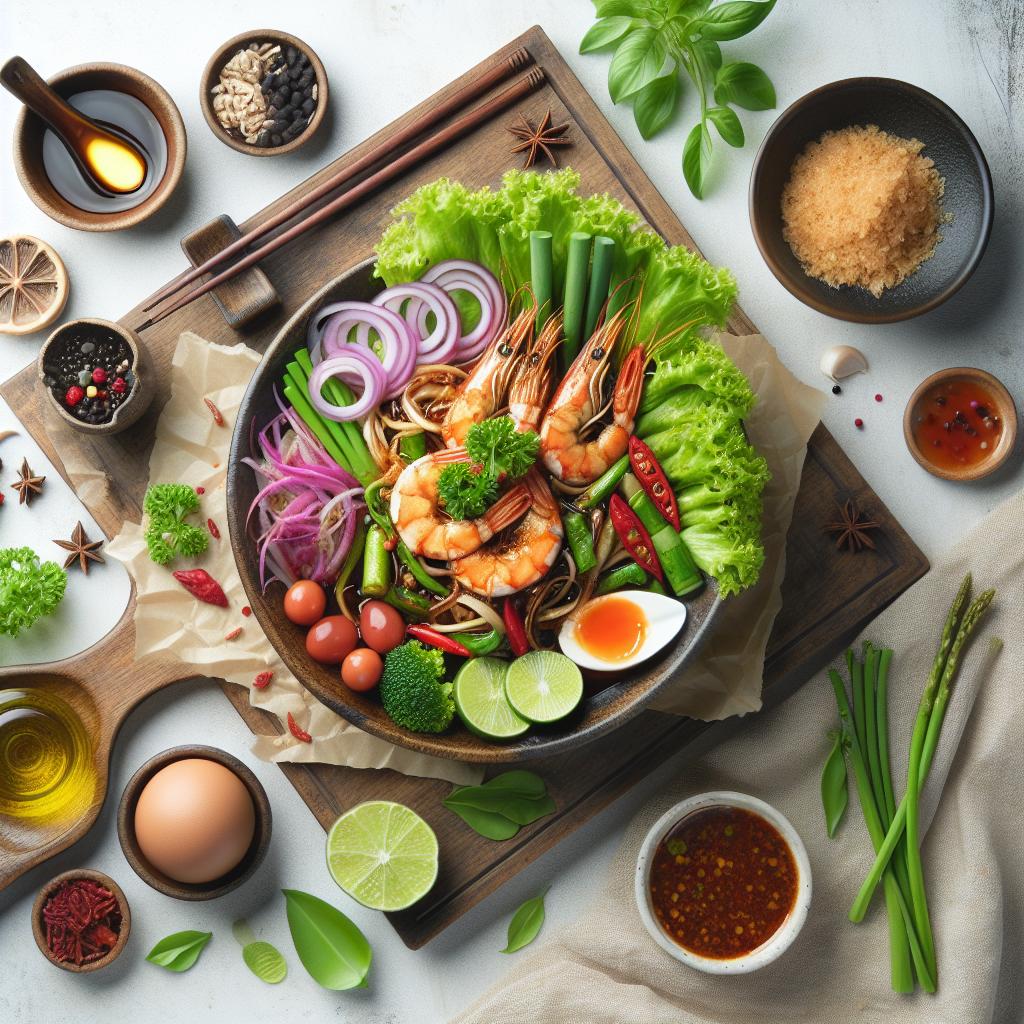
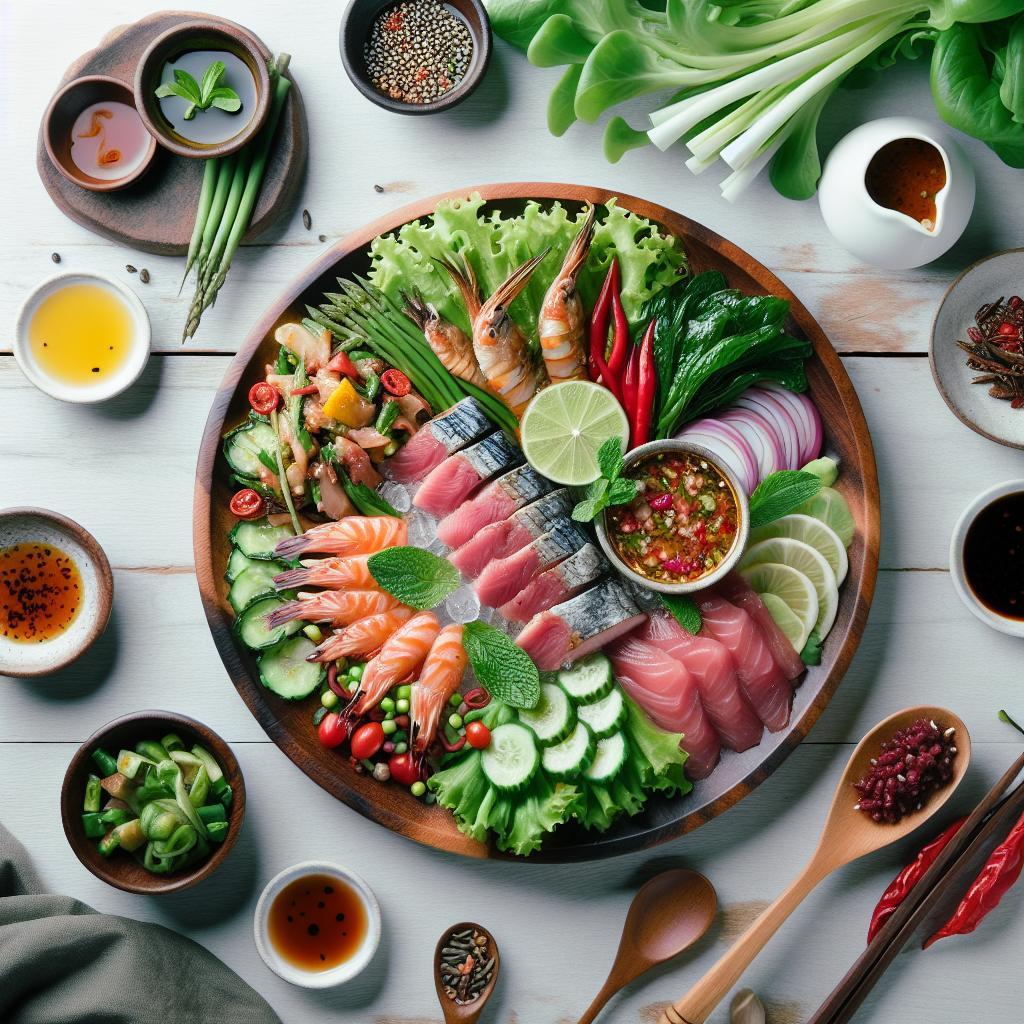
Present Nam Pla elegantly in small dipping bowls as an accompaniment to fresh spring rolls or grilled seafood. Garnish with freshly chopped chilies and a wedge of lime on the side to enable guests to customize intensity. For cooked dishes, dot stir-fries or noodle bowls with a drizzle just before serving to enliven aromas. This bright, salty elixir pairs beautifully with vibrant herbs and crunchy vegetables, making every dish shimmer with authentic Southeast Asian flair.
| Nutritional Info per 1 Tbsp | Amount |
|---|---|
| Calories | 10 kcal |
| Protein | 2g |
| Carbohydrates | 0g |
| Fat | 0g |
Internal Link: Dive deeper into authentic Southeast Asian ingredients in our Thai Cooking Basics article.
External Source: Learn more about traditional fish sauce fermentation techniques at Science Direct.

Q&A
Q&A: Unlocking Nam Pla – The Story Behind Fish Sauce Flavor
Q1: What exactly is Nam Pla?
A1: Nam Pla is the quintessential fish sauce of Thailand – a liquid gold that adds depth, umami, and saltiness to countless dishes. Made by fermenting fish with sea salt, Nam Pla is more than just a condiment; it’s a cultural icon and culinary cornerstone.
Q2: How is Nam Pla made?
A2: Traditionally, small fish (often anchovies) are layered with sea salt in wooden barrels and left to ferment under the sun for several months to over a year. The natural enzymes break down the fish, creating a rich, aromatic liquid that is carefully extracted and bottled as Nam Pla.
Q3: Why does Nam Pla have such a complex flavor?
A3: The magic lies in fermentation. As the fish proteins break down, they release amino acids-especially glutamates-that create an intense umami flavor. The salty tang combined with subtle sweet and savory notes gives Nam Pla its unique and addictive flavor profile.
Q4: How is Nam Pla different from other fish sauces like Vietnamese nuoc mam?
A4: While both are fermented fish sauces, Nam Pla typically emphasizes a balance between saltiness and sweet-savory complexity, often using specific types of fish and fermentation techniques native to Thailand. Regional climate and artisanal methods also contribute subtle flavor differences.
Q5: What dishes rely on Nam Pla to shine?
A5: Nam Pla is a secret ingredient in Thai classics like Pad Thai, Tom Yum soup, Som Tum (green papaya salad), and countless stir-fries. It’s the invisible umami thread weaving through Thailand’s culinary tapestry, transforming simple ingredients into flavor fireworks.
Q6: Can Nam Pla be substituted with soy sauce or other condiments?
A6: While soy sauce can replicate some salty aspects, it lacks the deep-fish umami and aromatic complexity of Nam Pla. For authentic Thai flavors, there’s simply no substitute-the distinctive funk and richness are irreplaceable.
Q7: Is Nam Pla healthy?
A7: Nam Pla is low in calories and rich in amino acids. Its fermentation also means beneficial enzymes and probiotics may be present. However, it’s high in sodium, so moderation is key.
Q8: How can home cooks best use Nam Pla?
A8: Start small! A dash in dressings, marinades, or dipping sauces can elevate a dish instantly. Experiment bubbling it into broths or balancing the heat in spicy sauces. Its versatility makes it a pantry superstar for any adventurous cook.
Q9: What’s the cultural significance of Nam Pla in Thailand?
A9: Beyond flavor, Nam Pla is a symbol of heritage, craftsmanship, and local pride. Passed down through generations, it embodies the harmony between nature and tradition that defines Thai cuisine.
Q10: Where can one find authentic Nam Pla outside Thailand?
A10: Many Asian markets stock genuine Nam Pla. Look for trusted brands that emphasize traditional fermentation methods. Online specialty stores also offer high-quality options that bring Thailand’s five-star flavor right to your kitchen.
Closing Remarks
As we dip into the layers of Nam Pla, we discover more than just a condiment; we unravel a narrative of tradition, culture, and craftsmanship distilled into every drop. This liquid gold, with its pungent charm and savory depth, is not merely an ingredient-it is a story waiting to be told on the palate. Unlocking Nam Pla means savoring history, embracing diversity, and honoring the art that transforms humble fish into the heartbeat of Southeast Asian cuisine. So next time you drizzle this ancient elixir over your dish, remember: you’re tasting a legacy, one rich with flavor and heritage.