
In the heart of Lithuania’s rich culinary heritage lies a treasure as humble as it is extraordinary: dark rye bread. More than just a staple, this dense, aromatic loaf embodies centuries of tradition, resilience, and artisanal passion. Unraveling Lithuanian dark rye bread means diving into a story of wild fermentations, nutrient-packed grains, and age-old baking rituals passed down through generations. As you break through its thick crust and inhale the earthy, slightly tangy aroma, you are not just tasting bread-you are savoring a timeless delight that has nourished bodies and souls alike. Join us on a journey to explore the origins, cultural significance, and unique flavors of this iconic Baltic bread, and discover why it continues to hold a cherished place on tables around the world.
The Art of Baking Traditional Lithuanian Rye Bread
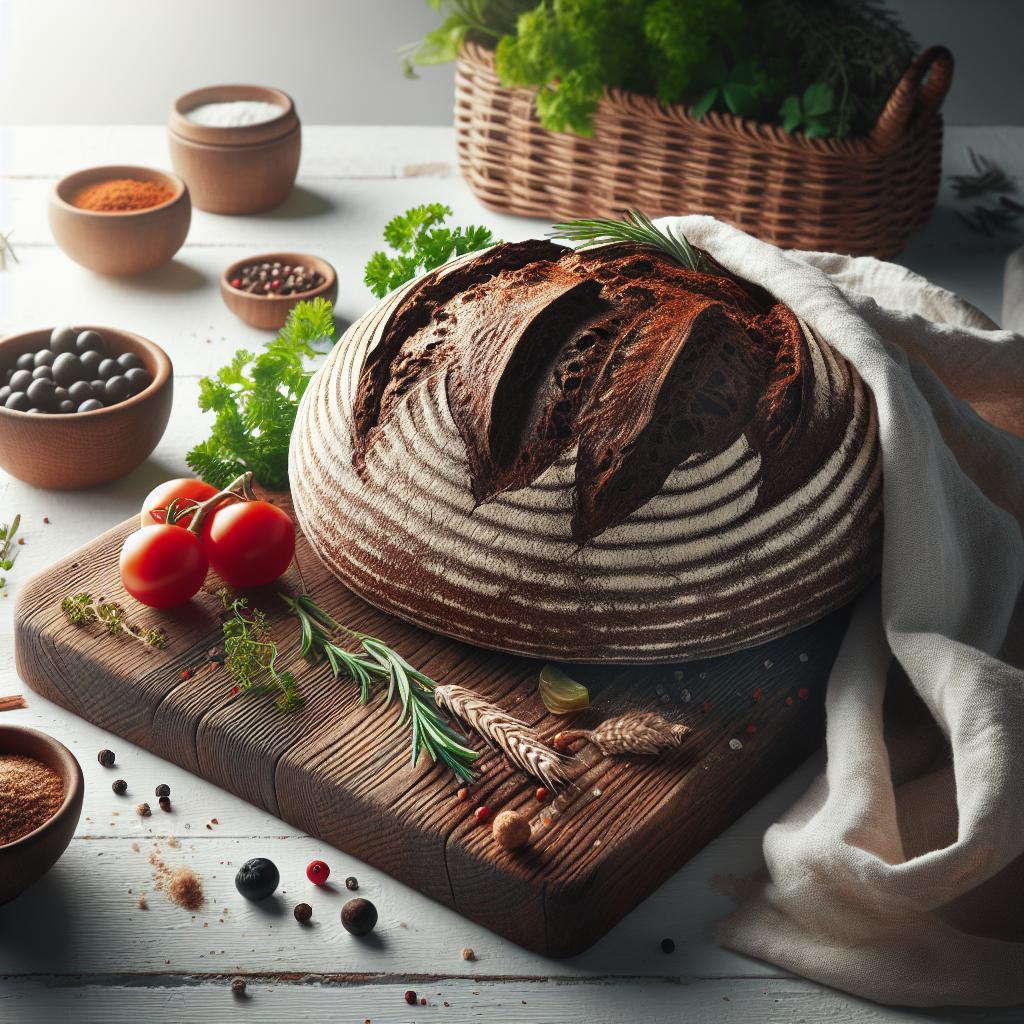
Unraveling Lithuanian Dark Rye Bread begins with appreciating a centuries-old process that balances patience, precision, and cultural ritual. This iconic dark rye bread is revered not only for its robust flavor but for the soul of Lithuanian heritage that it embodies. Baking it is an art-one that transforms humble rye flour, water, and a natural sourdough starter into a dense, deeply flavorful loaf with a crackling crust and a tender crumb.
Prep and Cook Time
- Preparation: 2 hours (including fermenting)
- Proofing: 12-16 hours (overnight)
- Baking: 45 minutes
Yield
One large hearty loaf, serving approximately 10-12 slices.
Difficulty Level
Medium to Advanced: Requires attention to fermentation timing and dough handling techniques.
Ingredients
- 500g dark rye flour
- 250g whole wheat flour
- 400ml lukewarm water
- 150g active rye sourdough starter
- 2 tsp sea salt
- 1 tbsp caraway seeds (optional, for traditional flavor)
Instructions
- Mix the flours and salt: Combine rye and whole wheat flour with sea salt in a large bowl.
- Add sourdough starter and water: Pour in the active starter and lukewarm water. Stir thoroughly with a wooden spoon until the dough forms a sticky, shaggy mass.
- Initial rest: Cover the bowl with a damp cloth and let it autolyse for 30 minutes to hydrate the flours and develop flavor.
- Kneading: Using wet hands, gently fold the dough several times to strengthen the structure. Avoid traditional kneading-the dough remains sticky and rustic.
- Bulk fermentation: Cover and ferment the dough at room temperature for 12 to 16 hours, or until doubled in size and aerated, developing a tangy aroma.
- Shape the loaf: Turn dough onto a floured surface and shape into a round boule. Place it in a well-floured banneton basket or bowl lined with a kitchen towel.
- Proof: Let it proof for 2 hours, allowing the loaf to rise slightly but keeping its dense character.
- Preheat oven: Heat to 230°C (450°F) with a Dutch oven or baking stone inside for optimal crust.
- Bake: Carefully transfer the loaf to the hot vessel, cover with a lid or aluminum foil, and bake for 30 minutes. Remove cover and bake for an additional 15 minutes until deep brown and crusty.
- Cool: Remove from oven and let cool completely on a wire rack for at least 2 hours to set the crumb before slicing.
Chef’s Notes
- Use a well-maintained rye sourdough starter to develop the characteristic tang and improve shelf life.
- Winter baking? Allow fermentation in a warmer spot or around 25°C (77°F) for more predictable rising.
- Caraway seeds enhance the traditional aroma but can be omitted for a simpler bread.
- For a lighter crumb, substitute some rye flour with bread flour, but authentic texture depends on primarily rye-based dough.
- Make-ahead: This bread tastes even better the day after baking; store it wrapped in a linen cloth to let the crust soften slowly without molding.
Serving Suggestions
The smoky, hearty flavor calls for simple accompaniments. Slice thick and spread with fresh Lithuanian butter or top with creamy quark cheese and honey for a sweet contrast. For savory bites, smoked fish, pickled vegetables, or traditional Lithuanian cold cuts are perfect partners. A sprinkle of fresh dill or chives adds a burst of color and fresh aroma. This bread makes an unforgettable base for open-faced sandwiches and warm winter soups.

| Nutrient | Amount per Slice |
|---|---|
| Calories | 110 kcal |
| Protein | 4 g |
| Carbohydrates | 22 g |
| Fat | 0.5 g |
| Dietary Fiber | 3.5 g |
Discover more traditional European bread recipes and storage insights in our traditional European breads collection. For deeper scientific understanding about rye bread’s health benefits, visit HealthLine’s detailed article.
Q&A
Q&A: Unraveling Lithuanian Dark Rye Bread: A Timeless Delight
Q1: What makes Lithuanian dark rye bread so special?
A1: Lithuanian dark rye bread is more than just a loaf-it’s a cultural icon. Crafted with hearty rye flour, natural sourdough starters, and a slow fermentation process, it boasts a dense texture, deep earthy flavor, and a slightly tangy finish. Its unique character reflects Lithuania’s ancient baking traditions and love for wholesome, natural ingredients.
Q2: How is Lithuanian rye bread traditionally made?
A2: The traditional method involves mixing rye flour with water and a sourdough starter made from wild rye cultures. This dough ferments slowly over several hours or even days, allowing natural yeasts and lactobacilli to develop complex flavors. The bread is then baked in a wood-fired oven, creating a dark, thick crust that seals in moisture and taste.
Q3: Why is rye bread so important in Lithuanian culture?
A3: In Lithuania, rye bread is considered a symbol of life, hospitality, and prosperity. It’s often present at family gatherings, festivals, and rituals-sometimes even given as a blessing. For centuries, it has been a staple food, nourishing generations through tough winters and marking special occasions with its warm, rustic presence.
Q4: How does the flavor of Lithuanian dark rye bread differ from other rye breads?
A4: Lithuanian dark rye bread is distinguished by its pronounced tanginess and robust earthy notes, achieved through long fermentation and the specific strains of natural leaven. Unlike lighter or commercial rye breads, it carries a dense, chewy crumb and a thick crust that strikes a perfect balance between sour, sweet, and bitter nuances.
Q5: Can Lithuanian dark rye bread be enjoyed in modern cuisine?
A5: Absolutely! Its hearty texture and complex flavor make it a perfect canvas for contemporary dishes. Pair it with smoked fish, sharp cheeses, or honey and butter for an authentic experience. It’s also ideal for gourmet sandwiches, open-faced toasts, or as a flavorful base for creative appetizers, bridging tradition with today’s culinary trends.
Q6: Is it difficult to bake authentic Lithuanian dark rye bread at home?
A6: While the process requires patience and care-especially cultivating the sourdough starter and managing long fermentation-it’s very rewarding. Home bakers can recreate authentic flavors by sourcing quality rye flour, embracing natural leavening, and using a slow baking method. The key is respecting the tradition and savoring the journey as much as the loaf itself.
Q7: Where can one find authentic Lithuanian dark rye bread outside Lithuania?
A7: Authentic Lithuanian dark rye bread can sometimes be found in specialty Eastern European bakeries or markets around the world. Additionally, many enthusiastic bakers share recipes and starter cultures online, encouraging a global community to keep this timeless delight alive beyond Lithuania’s borders.
Wrapping Up
As the rich aroma of Lithuanian dark rye bread lingers in the air and its dense, earthy flavors unfold on the palate, we come to appreciate more than just a staple of Baltic cuisine. This timeless delight carries with it centuries of tradition, craftsmanship, and cultural heritage-each loaf a living story baked into existence. Whether savored simply with butter or as the foundation of a hearty meal, Lithuanian dark rye bread invites us to connect with a culinary legacy that continues to nourish both body and spirit. In unraveling its history and character, we discover not only the essence of a bread but also a slice of Lithuania’s enduring soul.