
In a world vibrant with color, sound, and ritual, festivals punctuate our calendars like shimmering jewels-each one a burst of joy, reflection, or tradition. But what happens when these celebrations come too close, their dates clustering so tightly that the revelry feels less like a wave and more like a flood? “When Festivals Weigh Heavy: The Density of Celebration Days” dives into the curious phenomenon of packed festival seasons, exploring how cultural calendars around the globe sometimes stack celebration upon celebration. From ancient harvest rites to modern public holidays, we’ll uncover how the sheer density of festivity shapes the way communities experience these moments-turning exuberance into exhaustion, opportunity into overwhelm, and sometimes, unity into a complex dance of competing priorities. Join us as we unravel the layers behind the calendar’s crowded chapters and consider what it truly means to celebrate when the days don’t just come- they arrive in a teeming throng.
When Festivals Weigh Heavy: The Density of Celebration Days – Spiced Festive Harvest Stew
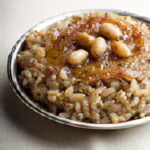
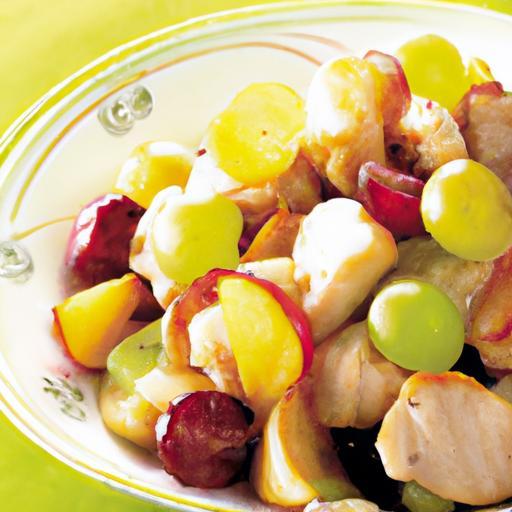
When festivals weigh heavy, cuisines often become more than nourishment-they evolve into cherished rituals fostering community resilience and joy amidst the buzz of clustered celebrations. The Spiced Festive Harvest Stew embodies this cultural tapestry, blending vibrant seasonal produce and traditional spices to create a dish that comforts, energizes, and connects. Inspired by harvest festivals celebrated around the world, this stew balances hearty flavors and warming aromas, perfectly suited for those dense festival periods when time and energy must be carefully shared between work, tradition, and social well-being.
Prep and Cook Time
- Preparation: 20 minutes
- Cooking: 45 minutes
- Total Time: 1 hour 5 minutes
Yield
Serves 6 generously
Difficulty Level
Medium – approachable but requires mindful layering of flavors
Ingredients
- 2 tablespoons olive oil
- 1 large onion, finely chopped
- 3 cloves garlic, minced
- 1 teaspoon ground cumin
- 1 teaspoon smoked paprika
- ½ teaspoon ground cinnamon
- 2 large carrots, peeled and diced
- 2 medium potatoes, peeled and cubed
- 1 sweet potato, peeled and cubed
- 1 red bell pepper, chopped
- 1 cup butternut squash, diced
- 1 can (400g) diced tomatoes
- 4 cups vegetable broth
- 1 can (400g) chickpeas, drained and rinsed
- 1 cup kale, chopped
- Salt and freshly ground black pepper to taste
- Fresh cilantro or parsley for garnish
- Juice of ½ lemon
Instructions
- Heat olive oil in a large heavy-bottomed pot over medium heat. Add the chopped onion and sauté until translucent, about 5 minutes, stirring frequently to avoid burning.
- Add garlic, cumin, smoked paprika, and cinnamon. Stir constantly for about 1 minute until the spices become fragrant and coat the onions nicely.
- Incorporate carrots, potatoes, sweet potato, bell pepper, and butternut squash. Sauté for 5 minutes, stirring occasionally to mix the vegetables with the spiced onion base.
- Pour in the diced tomatoes and vegetable broth. Stir well, bring to a boil, then reduce to a simmer. Cook uncovered until the root vegetables are tender-about 30 minutes.
- Add chickpeas and kale, cooking for another 5 minutes until the kale wilts but retains brightness.
- Season with salt, pepper, and lemon juice. Taste as you go, balancing the warm spices with brightness and saltiness.
- Serve hot, garnished with fresh cilantro or parsley for an herbaceous, vivid finish.
Chef’s Notes
- Swap kale for spinach or Swiss chard based on seasonal availability or personal preference.
- For added texture, sprinkle toasted pumpkin seeds on top just before serving.
- Make ahead and refrigerate leftovers-the flavors deepen after resting overnight.
- To add protein variety, replace chickpeas with browned diced chicken or firm tofu.
- If you prefer a creamier stew, stir in ½ cup coconut milk during the last cooking step.
Serving Suggestions
This hearty stew pairs beautifully with crusty artisan bread or steamed couscous to soak up its fragrant broth. For more festive flair, accompany with a fresh green salad tossed lightly in lemon vinaigrette to lighten the palate. Garnish with a swirl of yogurt or a sprinkle of pomegranate seeds for a pop of color and tang that echoes celebratory vibrancy.
| Nutrient | Per Serving |
|---|---|
| Calories | 280 |
| Protein | 10g |
| Carbohydrates | 45g |
| Fat | 5g |
Explore our guide on balancing work and traditions during festivals for more insights on maintaining wellness through dense celebration days. For a deeper understanding of cultural impact and sustainable festivities, visit the United Nations International Day of Families.

Q&A
Q&A: When Festivals Weigh Heavy – The Density of Celebration Days
Q1: What does the phrase “density of celebration days” mean in the context of festivals?
A1: Imagine a calendar where festivals cluster so closely they almost spill into each other’s space-this is the “density of celebration days.” It refers to periods when multiple festivals, holidays, or observances stack up tightly, creating a continuous hum or sometimes cacophony of cultural activity. It’s a measure of how festival-heavy a certain timeframe feels in our social and cultural lives.
Q2: Why do some cultures have denser clusters of festivals than others?
A2: Festival density often reflects a culture’s history, religious diversity, agricultural cycles, and social values. Some societies have layered traditions-ancient rites blending with modern celebrations-resulting in packed holiday calendars. For example, harvest seasons, lunar cycles, and historical commemorations can cause festivals to accumulate in certain months. Dense clusters often serve to reinforce community bonds during pivotal times of the year.
Q3: How can a high density of festivals affect individuals and communities?
A3: When festivals come in quick succession, the atmosphere can feel electric-buzzing with joy, rituals, and gatherings. Yet, there’s a flip side: celebration fatigue. Individuals might feel overwhelmed, pressured by social obligations, or financially strained. Communities might struggle to give each festival its due attention, sometimes causing smaller or less prominent traditions to be overshadowed or lost amidst the noise.
Q4: Are there psychological or societal benefits to having days of dense celebration?
A4: Absolutely. Frequent festivals within a short stretch can deepen cultural identity, create shared memories, and boost collective morale. They inject rhythms of joy and reflection into daily life, breaking monotony. Psychologically, participating in celebrations can reduce stress, foster social connection, and enhance a sense of belonging, even if the calendar feels crowded.
Q5: How do people manage or adapt to periods loaded with festivals?
A5: Many adopt a selective approach, prioritizing key festivities while scaling back on others. Time management becomes an art-balancing work, rest, and celebration. Some communities stagger events or modify traditions to reduce overlap, ensuring each festival shines without burning out participants. Modern technology and social media also help people stay connected without physically attending every gathering.
Q6: Could the density of celebration days be intentionally designed or influenced?
A6: Yes. Festival calendars can be shaped by religious authorities, governments, or cultural institutions to serve social or political aims. Sometimes clustering festivals can boost tourism and economic activity; other times, it’s a symbolic expression of unity or resilience. Urban planners and event organizers may also coordinate timings to maximize participation or minimize conflict among events.
Q7: What can readers take away from understanding the density of celebration days?
A7: Recognizing the clustering of festivals invites us to appreciate the cultural layers embedded in our calendars and the human need for ritual and celebration. It encourages mindful participation-knowing when to dive in and when to step back. Ultimately, it’s a reminder that festivals, whether crowded or sparse, are a vital pulse in the dance of communal life.
Final Thoughts
As the calendar fills with festival after festival, the weight of celebration days becomes more than just a matter of dates-it’s a reflection of culture, history, and human connection compressed into dense, vibrant moments. Understanding the density of these celebration days invites us to pause and appreciate not only the joy they bring but also the careful balance needed to sustain their meaning. Whether spaced out or stacked close together, festivals remind us that collective elation, reflection, and tradition are threads weaving through time, binding communities in a shared dance of life. In the end, it’s not just about how many days we celebrate, but how deeply we live each one.