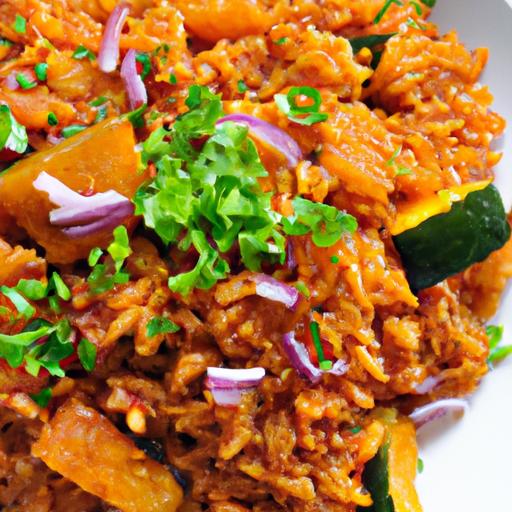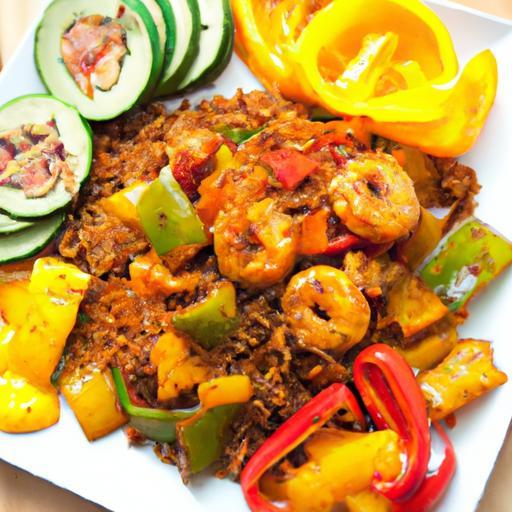

There’s a magic moment in every pot of jollof rice-the tantalizing sizzle as the tomatoes and spices simmer into a harmonious symphony of flavor. But sometimes, that magic turns into a sticky predicament when the bottom layer clings stubbornly to the pan, threatening to overshadow your culinary masterpiece. Fear not! Whether you’re a seasoned cook or a jollof beginner, knowing how to rescue your beloved dish from a burnt bottom can save your dinner and elevate your kitchen confidence. In this article, we’ll unravel clever tips and creative tricks to transform that burnt layer from a kitchen nightmare into a crispy delight-or gently separate it without losing a grain of that iconic, flavorful rice. Let’s dive in and turn the sticky situation into a tasty triumph!
When Jollof Rice Sticks: Tips to Rescue the Burnt Bottom
When Jollof rice sticks to the bottom of the pot, it can be quite frustrating, especially when you’re eager to enjoy this beloved West African dish. Known for its rich, smoky tomato base and vibrant, tender grains, Jollof rice is a festive staple that brings people together. However, achieving the perfect texture and avoiding that stubborn burnt layer requires a bit of technique and care. Whether you’re a seasoned chef or a passionate home cook, understanding why Jollof rice sticks and how to prevent it will elevate your cooking game and keep every grain fluffy and flavorful.
Prep and Cook Time
- Preparation: 15 minutes
- Cooking: 40 minutes
- Total Time: 55 minutes
Yield
Serves 4 to 6 people generously
Difficulty Level
Medium
Ingredients
- 2 cups long-grain parboiled rice, rinsed and drained
- 1/4 cup vegetable oil
- 1 medium onion, finely chopped
- 3 cloves garlic, minced
- 1 cup blended tomato sauce (fresh tomatoes or canned, blended)
- 1/4 cup tomato paste
- 2 cups chicken stock or water
- 1 teaspoon smoked paprika
- 1 teaspoon thyme
- 1 teaspoon curry powder
- 1 Scotch bonnet or habanero pepper (optional, whole)
- Salt to taste
- Black pepper to taste
- Fresh cilantro or parsley for garnish
Instructions
- Heat the oil in a large, heavy-bottomed pot over medium heat. Add onions and garlic, sauté until fragrant and translucent, about 3 minutes.
- Stir in the blended tomato sauce and tomato paste. Cook, stirring occasionally, until the mixture thickens and the oil begins to separate, about 10 minutes.
- Add smoked paprika, thyme, curry powder, salt, and black pepper. Mix well to combine all flavors.
- Pour in the chicken stock and bring to a gentle boil. Add the rinsed rice and Scotch bonnet (whole, for mild heat), reduce heat to low.
- Cover tightly and simmer for 20 to 25 minutes without stirring, allowing the rice to absorb the liquid and cook fully.
- Once the rice is tender and liquid absorbed, turn off the heat and let it sit, covered, for another 10 minutes to steam through.
- Carefully loosen the rice with a fork to separate grains. Remove the Scotch bonnet.
- To prevent sticking, ensure your pot has a thick bottom, keep the heat low, and avoid stirring while cooking.
Chef’s Notes
- If you find your rice sticking, adding a splash of water and gently sliding a spatula under the rice can help lift layers.
- The burnt bottom (also called “party rice” in some cultures) can be repurposed! Scrape off the crispy bits and stir into stews or serve as a crunchy topping for salads.
- Using a non-stick or cast iron pot with a tight-fitting lid reduces sticking risks significantly.
- For extra flavor, try adding a bay leaf or a cube of bouillon to your stock before cooking.
- Make-ahead tip: Cook your rice up to step 6, then cool and refrigerate. Reheat gently with a teaspoon of water to revive softness.
Serving Suggestions
Serve your perfectly cooked Jollof rice alongside grilled chicken or fried plantains for a colorful plate bursting with textures. Garnish with fresh cilantro or parsley to brighten the dish visually and flavor-wise. A side of crisp vegetable salad or spicy pepper sauce complements the smokiness beautifully, creating a meal that’s irresistible both to the eyes and palate.
| Nutrient | Amount per serving |
|---|---|
| Calories | 320 kcal |
| Protein | 6 g |
| Carbohydrates | 54 g |
| Fat | 8 g |
For additional insight into rice cooking techniques, see our Ultimate Guide to Perfect Rice. For in-depth culinary science behind starch behavior, the ScienceDirect Journals provide excellent resources.

Q&A
Q&A: When Jollof Rice Sticks – Tips to Rescue the Burnt Bottom
Q1: Why does my Jollof rice stick to the pot and get a burnt bottom?
A1: Jollof rice can stick and burn due to high heat, insufficient stirring, or using a thin-bottomed pot. The combination of tomato sauce, oil, and rice can easily caramelize and cling to the pot if left unattended or cooked too fast.
Q2: Is burnt Jollof completely ruined or is there hope?
A2: Not all hope is lost! While the burnt layer can be tough to salvage, the fluffy, fragrant rice above it is often perfectly fine. With some clever tricks, you can rescue your dish and even turn the accidental crust into a tasty bonus.
Q3: What’s the first step to save stuck Jollof rice?
A3: Stop the cooking immediately to prevent further burning. Carefully transfer the unburnt rice to another pot or bowl, leaving the burnt bits behind. This prevents the burnt flavor from spreading.
Q4: How do I remove the burnt flavor if some of it has mixed in?
A4: Adding a few thinly sliced onions or a small piece of raw potato to the rice and letting it sit covered for 10-15 minutes can absorb some of the burnt taste. You may also try stirring in a spoonful of plain yogurt or a pinch of sugar to balance bitterness.
Q5: Can I use the burnt bottom to my advantage?
A5: Absolutely! In many West African homes, the crispy golden bottom-known as “concon” in Ghana or “tuwon” in Nigeria-is a sought-after treat. To enjoy this, gently loosen the crust with a spatula and serve it alongside your Jollof as a crunchy, flavorful snack.
Q6: Any tips to prevent sticking next time?
A6: Use a heavy-bottomed pot to distribute heat evenly. Cook on low to medium heat, stirring occasionally but not too often to avoid mushy rice. Also, ensure enough tomato sauce and oil to create a non-stick barrier, and avoid lifting the lid too frequently which can throw off cooking moisture.
Q7: What’s a quick rescue hack if I suspect burning midway?
A7: Pour a little bit of water or stock around the edges of the pot, cover, and let it steam for a few minutes on low heat. This loosens the rice layer from the pot and stops the burning process, allowing you to rescind the disaster before it happens.
Jollof rice sticking to the pot might feel like the end, but with patience and a few culinary tricks, you can rescue your meal and even discover new textures and flavors from the burnt underside. So next time your pot threatens a scorch, remember-every Jollof has a silver lining!
Future Outlook
In the grand culinary adventure of cooking jollof rice, a stubborn burnt bottom is less a disaster and more a challenge waiting to be conquered. With these simple rescue tips in your kitchen arsenal, you can transform a smoky mishap into a perfectly salvaged feast, ensuring every grain is a celebration of flavor and tradition. So next time your jollof rice sticks, don’t despair-embrace the rescue, savor the victory, and let your kitchen confidence shine brighter than ever before. Happy cooking!