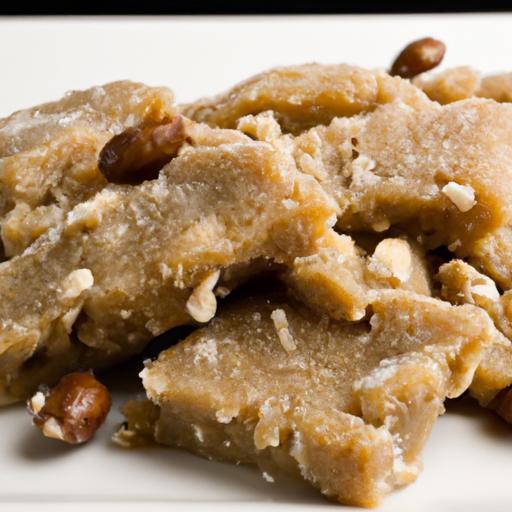

There’s something magical about biting into a perfectly crafted makroudh-the delicate crunch giving way to a sweet, fragrant filling that melts in your mouth. But if your homemade makroudh is turning out crumbly and dry instead of tender and luscious, it can be a real disappointment. Understanding why this beloved North African pastry sometimes falls apart is the first step to mastering its texture. In this article, we’ll unravel the secrets behind makroudh’s ideal consistency and share practical tips to help you achieve that perfect balance of crispness and softness in every bite. Say goodbye to crumbly makroudh and hello to a flawless, melt-in-your-mouth treat!
Why are my Makroudh crumbly? This question often arises among bakers aiming to master this traditional North African delight, where texture truly makes all the difference. Makroudh, with its delicate balance of a tender, semolina-based dough and honey-soaked date filling, is a symphony of subtle contrasts. Understanding the precise harmony of moisture, flour, and oil is essential to transform crumbly dough into the perfect soft yet structured pastry that melts in your mouth.
Prep and Cook Time
- Preparation Time: 30 minutes
- Resting Time: 20 minutes
- Cooking Time: 25 minutes (frying or baking)
- Total Time: Approximately 1 hour 15 minutes
Yield
Yields approximately 24 medium-sized Makroudh pieces
Difficulty Level
Medium – requires some finesse in dough handling and shaping
Ingredients
- 2 cups fine semolina
- 1 cup coarse semolina
- 1/2 cup all-purpose flour, sifted
- 1/2 tsp salt
- 3/4 cup vegetable oil (or melted clarified butter for richer flavor)
- 1/2 cup warm water (adjust as needed)
- 1 cup date paste filling (finely mashed and sweetened)
- Honey syrup (for soaking post-cooking)
Instructions
- Mix the dry ingredients: In a large bowl, combine the fine semolina, coarse semolina, all-purpose flour, and salt. Stir gently to evenly distribute.
- Add the oil gradually: Pour in the vegetable oil and use your fingertips to rub it into the semolina mixture until it looks like coarse crumbs. This step coats the semolina particles, crucial to preventing stiffness.
- Incorporate the water carefully: Slowly add warm water, a few tablespoons at a time, kneading gently after each addition. Aim for a slightly firm but pliable dough-not sticky-to avoid crumbling after cooking.
- Rest the dough: Cover with a damp cloth and let it rest for 20 minutes. This hydrates the semolina, softening the dough fibers without sogginess.
- Divide and roll: Cut dough into equal portions. Roll each into a long rectangle about 1/4 inch thick. Use a light dusting of semolina-not flour-to prevent sticking and maintain texture.
- Add filling and shape: Place a thin log of date paste centrally along each rectangle. Fold the dough over, pinching edges firmly but gently to seal. Roll the entire segment into an even cylinder with your palms, careful to maintain an unbroken surface.
- Cut into diamonds: Using a sharp knife, cut the cylinders diagonally into diamond shapes. A clean cut helps prevent crumbling edges.
- Cook: Fry in hot oil until golden and crisp on the outside, about 3-4 minutes per side, or bake at 350°F (175°C) for 20-25 minutes for a lighter version. Remove and drain on paper towels immediately.
- Soak in syrup: While warm, immerse briefly in honey syrup. Excess syrup can be drained off after a few minutes.
- Cool and serve: Let rest on a wire rack before serving. This final step allows the syrup to soak in, creating that quintessential moist yet tender texture that sets perfect Makroudh apart.
Tips for Success
- Moisture balance: The secret to avoiding crumbly Makroudh is finding the perfect moisture ratio. Semolina naturally absorbs water slowly, so gradual hydration is vital.
- Oil quality matters: Using quality vegetable oil or traditional clarified butter adds flavor while ensuring that the semolina grains are sufficiently coated, contributing to supple dough texture.
- Semolina texture contrast: Combining fine and coarse semolina optimizes structural integrity and softness – fine semolina provides lightness while coarse creates that characteristic bite without crumbling.
- Rolling techniques: Roll gently and evenly. Too much pressure can cause cracks, while too little makes dough hard to seal, both leading to crumbly results.
- Filling consistency: Ensure date paste is smooth and sticky but not dry. Dry filling can cause cracks when shaping.
- Make-ahead: Dough can be prepared and refrigerated for up to 24 hours, wrapped tightly. Bring to room temperature before rolling.
Serving Suggestions
Enjoy Makroudh with a cup of freshly brewed Moroccan mint tea to complement its sweet, nutty layers. Garnish the plate with a sprinkle of crushed pistachios or a dusting of cinnamon for added aromatic appeal. Serve slightly warm or at room temperature to highlight the perfect balance of crisp exterior and soft, syrupy interior. Pair with a fresh orange slice to cut the sweetness and awaken your palate.

| Nutrient | Per Serving (1 piece) |
|---|---|
| Calories | 160 kcal |
| Protein | 2 g |
| Carbohydrates | 30 g |
| Fat | 5 g |
For more expert tips on traditional pastry techniques, check our Traditional Semolina Desserts Guide. To deepen your understanding of semolina’s culinary properties, visit ScienceDirect’s Food Science collection.
Q&A
Q: Why do my Makroudh turn out crumbly instead of soft and chewy?
A: Makroudh can become crumbly if the dough lacks enough moisture or fat. Using too much semolina without balancing it with the right amount of oil or butter and water can cause dryness, leading to that crumbly texture. Also, overbaking can dry them out quickly.
Q: How important is the type of semolina in achieving the perfect Makroudh texture?
A: Very important! Medium to fine semolina works best because it absorbs moisture more evenly. Coarser semolina can sometimes make the dough too gritty or crumbly if not handled properly.
Q: Can the ratio of oil to semolina really make a difference?
A: Absolutely. Oil acts as a binder and gives the dough elasticity. If you skimp on oil, your Makroudh can turn brittle. The right balance helps the dough stay pliable enough to roll and mold while ensuring a tender bite.
Q: Could the filling affect the dough’s texture?
A: Yes. If the date filling is too dry, it can suck moisture from the dough, making the outer shell crumbly. Using a moist, well-prepared filling or adding a little honey can keep everything harmonious.
Q: What about baking time and temperature? How do they impact Makroudh’s texture?
A: Baking Makroudh at too high a temperature or for too long can quickly dry out the delicate dough, resulting in crumbliness. A moderate oven temperature with close supervision helps maintain that perfect balance of crunchy outside and soft inside.
Q: Is there a secret tip for a tender Makroudh dough?
A: Yes! Resting the dough for 30 minutes before shaping allows the semolina to absorb the liquids fully, softening the texture. Cover it with a damp cloth to keep moisture in and you’ll see the difference.
Q: Can substituting ingredients fix crumbly Makroudh?
A: Sometimes. Incorporating a little fine flour alongside semolina or adding a touch of yogurt or milk can introduce extra moisture and tenderness. Just remember to adjust your liquid balance accordingly.
With these tips, your Makroudh will no longer crumble under pressure but delight with each perfect bite!
Future Outlook
Achieving that signature tender yet delightfully firm texture in makroudh can feel like an art-and now you hold the palette. By understanding the delicate balance of ingredients, mastering the kneading process, and respecting the nuances of baking time, your makroudh will transform from crumbly mishaps into golden, melt-in-your-mouth treasures. Remember, every batch is a step closer to perfection, so embrace the process and savor the sweet rewards of your culinary craftsmanship. Here’s to makroudh that delights with each bite-crisply edged, perfectly textured, and unmistakably yours.