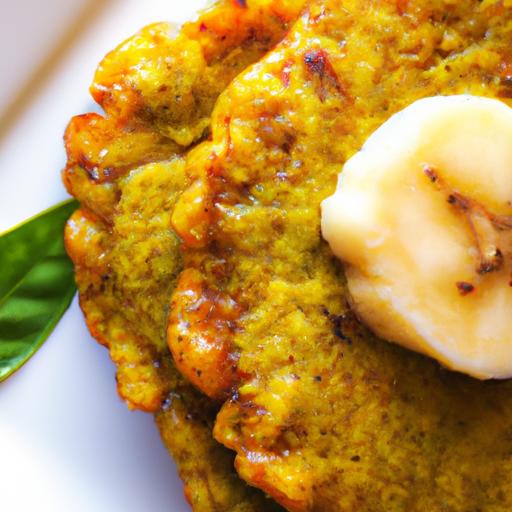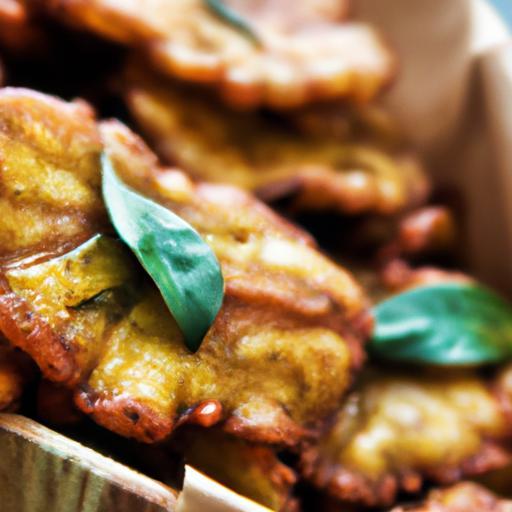

Picture this: you’ve just whipped up a batch of tostones, those beloved twice-fried green plantain discs that promise a crunchy, golden bite with every munch. But when you take that first eager taste, disappointment strikes-your tostones are soggy, greasy, and nowhere near the crispy delight you envisioned. What went wrong? If your tostones are turning out limp and oily instead of perfectly crisp, you’re not alone. In this article, we’ll unravel the secrets behind greasy tostones and share foolproof tips to fix them, helping you achieve that ideal crunch that will have everyone reaching for more. Say goodbye to greasy disappointments and hello to golden, crispy perfection!
Understanding the Science Behind Greasy Tostones
Why Are My Tostones Greasy and Not Crispy? Fix It! begins with unraveling the culinary chemistry behind those frustratingly oily bites. The secret lies in how the plantain’s starch and moisture interact with hot oil during frying. When plantains retain excess water or are fried improperly, the oil penetration is deeper, causing sogginess. Conversely, perfectly dried and fried plantains develop a golden, crunchy crust that locks moisture inside without oil saturation.
Choosing the Right Plantains and Preparing Them Perfectly
Opt for green or slightly yellow plantains – they are starchier and less sweet, ideal for achieving that perfect crunch. Overripe plantains, while delicious for other dishes, yield a softer texture that soaks up oil. To prepare, peel and slice them evenly into ½-inch thick rounds. A gentle soak in cold water for 5 minutes followed by thorough drying on paper towels minimizes surface moisture, which is a key step in preventing grease absorption.
Mastering the Double Fry Technique for Ultimate Crispiness
The hallmark of crispy, non-greasy tostones is a judicious double fry approach. First, fry the slices at a lower temperature (around 325°F/160°C) for 2-3 minutes until soft but not colored. Next, flatten each fry gently between two flat surfaces or a plantain press to increase crisp surface area. Then, return them to the oil heated to 375°F (190°C) for 1-2 minutes until irresistibly golden and crunchy. This two-step frying ensures the interior is cooked while the exterior crisps perfectly without soaking in excess oil.
Essential Tips for Draining and Seasoning to Avoid Oiliness
Immediately after the second fry, transfer to a wire rack or paper towels to drain excess oil efficiently. Avoid stacking tostones, which traps steam and encourages sogginess. Season generously while still hot with flaky sea salt and, optionally, a dash of smoked paprika or garlic powder for depth. These finishing touches not only enhance flavor but also help absorb any residual surface oil, keeping every bite crisp and flavorful.
Prep and Cook Time
- Preparation: 15 minutes
- Cooking: 20 minutes (including double frying)
- Total Time: 35 minutes
Yield
Serves 4 as a side or appetizer.
Difficulty Level
Medium – requires attention to frying temperatures and layering technique.
Ingredients
- 3 large green plantains, peeled and sliced into ½-inch rounds
- 2 cups vegetable oil or canola oil, for frying
- Cold water, for soaking slices
- Paper towels, for drying and draining
- Flaky sea salt, to taste
- Optional seasonings: smoked paprika, garlic powder, or chili flakes
Instructions
- Prep the plantains: Peel and cut the plantains into ½-inch thick rounds. Soak them in cold water for 5 minutes to reduce starch and moisture retention.
- Dry thoroughly: Remove plantains from water and pat dry with paper towels until surface moisture disappears-this minimizes oil absorption.
- Heat oil: Warm oil in a deep skillet or fryer to 325°F (160°C). Use a thermometer for accuracy.
- First fry: Fry plantain slices in batches, avoiding overcrowding. Cook for 2-3 minutes until tender but not browned. Remove and drain on paper towels.
- Flatten: Using a tostones press or two flat surfaces (a cutting board and bottom of a glass), press each fried slice gently to about half thickness.
- Final fry: Increase oil temperature to 375°F (190°C). Fry the flattened plantains for 1-2 minutes until golden and crispy. Drain thoroughly on a wire rack or fresh paper towels.
- Season: Sprinkle immediately with flaky sea salt and optional spices while still hot to absorb residual surface oil.
Chef’s Notes
- Oil Temperature: Precisely controlling oil heat is critical. Too low results in soggy, greasy tostones, too high burns them.
- Plantain Ripeness: Stick to firm green plantains for that iconic crunch. Yellow or blackened ones are better suited for sweet fritters or maduros.
- Make Ahead: First fry and press steps can be done in advance. Store flattened slices in the fridge and fry just before serving.
- Oil Type: Use oils with high smoke points like vegetable or peanut oil-these help maintain stable frying temperature.
- Variation: Add a garlic mojo dip for an authentic Cuban twist or a sprinkle of cotija cheese for a savory finish.
Serving Suggestions
Tostones shine as a crispy side for Latin-inspired dishes like mofongo, grilled meats, or seafood. Garnish with fresh cilantro, lime wedges, or a drizzle of garlic aioli to elevate presentation. Pair with a fresh avocado salsa or tangy dipping sauce to balance the crisp and savory crunch.

| Nutrient | Per Serving |
|---|---|
| Calories | 210 kcal |
| Protein | 1.5 g |
| Carbohydrates | 25 g |
| Fat | 12 g |
For more delicious plantain recipes, check out our Plantain Recipe Collection. You can also explore trusted culinary techniques and frying tips at Serious Eats frying techniques guide.
Q&A
Q&A: Why Are My Tostones Greasy and Not Crispy? Fix It!
Q1: Why do my tostones turn out greasy instead of crispy?
A1: Greasy tostones usually mean the plantains absorbed too much oil. This can happen if the oil temperature is too low, causing the plantains to soak up oil instead of frying quickly. Overcrowding the pan or using overly ripe plantains can also lead to sogginess and excess oil.
Q2: What’s the ideal oil temperature for frying tostones?
A2: Aim for medium-high heat, around 350°F (175°C). This temperature crisps the outside quickly, creating a golden crust that seals in moisture and prevents excess oil absorption.
Q3: Should I use underripe or ripe plantains?
A3: For classic tostones, use green or underripe plantains. They are firm and starchy, making them perfect for frying crisp. Ripe plantains are sweeter and softer, tending to get mushy and soak up more oil instead of crisping.
Q4: Why do my tostones sometimes come out oily even at the right temperature?
A4: Overcrowding your frying pan lowers the oil temperature suddenly, leading to greasy tostones. Fry in small batches to keep the oil hot and maintain crispiness.
Q5: How do I properly prepare plantains to avoid greasy tostones?
A5: Peel and slice the plantains into thick rounds, fry them once until lightly golden, then remove and gently smash them before frying again until crispy. Double frying at the right temps locks in crispness without greasiness.
Q6: Can the type of oil affect how greasy my tostones get?
A6: Yes! Use oils with a high smoke point like canola, peanut, or vegetable oil. These oils maintain a stable temperature and fry the plantains efficiently without breaking down and causing sogginess.
Q7: Is there a trick after frying to reduce greasiness?
A7: Absolutely! Place your tostones on a paper towel-lined plate immediately after frying. The paper towel absorbs excess oil, keeping your tostones crispy rather than oily.
Q8: How can I add extra crunch and flavor to my tostones?
A8: Sprinkle a pinch of coarse sea salt or garlic powder right after frying while they’re still hot. This adds a tasty crunch and enhances the tostones’ natural flavor, making them irresistible crispy treats!
Craving that perfect crunch? Remember, temperature, timing, and technique are your best pals in the battle against greasy tostones. Fry smart, smash gently, and savor every crisp bite!
The Conclusion
In the quest for the perfect tostones-crispy, golden, and irresistibly crunchy-understanding the root of greasy, soggy results is half the battle won. By mastering the right plantain ripeness, slicing thickness, oil temperature, and frying technique, you transform humble green plantains into snack-time stars. So next time your tostones threaten to turn into oil-soaked disappointments, remember these tips and reclaim that satisfying crunch. Your taste buds-and your frying pan-will thank you! Keep experimenting, keep frying, and let every batch be a crispy celebration.