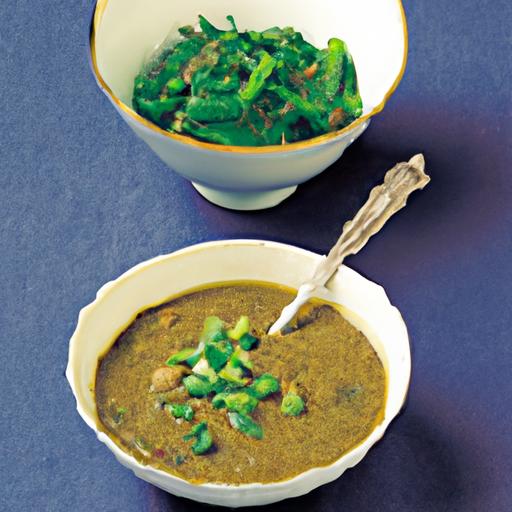

Green chutney, with its vibrant color and zesty punch, is a beloved condiment that brings life to countless dishes. Yet, for many home cooks, that fresh tang sometimes takes an unexpected turn-into bitterness. Why does this happen? What causes this surprising twist in flavor, and more importantly, how can you rescue your chutney from tasting more like a green nightmare than a flavorful delight? In this article, we’ll peel back the layers behind the bitterness in green chutney, uncover the common culprits, and share simple, effective fixes to bring your chutney back to its perfectly balanced, mouth-watering glory. Whether you’re a seasoned chef or a curious beginner, understanding these nuances will help you whip up green chutneys that feel just right every time.
Why Is My Green Chutney Bitter? Causes & Fixes Explained
If you’ve ever wondered, why is my green chutney bitter? you’re not alone. This vibrant, herbaceous condiment, rooted in Indian culinary tradition, boasts a fresh, zesty flavor that pairs beautifully with everything from samosas to grilled meats. Yet, even the most skilled cooks encounter unexpected bitterness that masks its natural brightness. Understanding the ingredients and techniques behind this common challenge can transform your chutney into a perfectly balanced masterpiece every time.
Prep and Cook Time
- Preparation: 10 minutes
- Cooking: 0 minutes (no cooking involved)
- Total Time: 10 minutes
Yield
Approximately 1 cup (serves 4-6 as a condiment)
Difficulty Level
Easy
Ingredients
- 1 cup fresh cilantro leaves, tightly packed, washed
- 1/2 cup fresh mint leaves, tightly packed, washed
- 2 green chilies, chopped (adjust for spice)
- 1 small garlic clove, peeled
- 1-inch piece of ginger, peeled and chopped
- 2 tablespoons fresh lime juice (or lemon juice)
- 1 teaspoon sugar or honey (natural sweetener)
- 1/4 teaspoon roasted cumin powder
- Salt to taste
- Cold water, as needed for blending
Instructions
- Prepare the herbs: Thoroughly rinse the cilantro and mint leaves under cold water to remove grit. Pat dry with paper towels or use a salad spinner to ensure they’re not wet, as excess water can dilute the chutney.
- Add key ingredients to a blender: Place cilantro, mint, green chilies, garlic, and ginger into a food processor or blender. Add salt and cumin powder.
- Pulse carefully: Blend in short bursts to coarsely chop the ingredients, preventing overprocessing that can release bitter compounds. Add just 2 tablespoons of cold water to start, adding more as needed for a smooth consistency.
- Incorporate acidity and sweetness: Once a smooth paste forms, pause to add the fresh lime juice and sugar or honey. Blend briefly to combine. These balance the natural bitterness from the herbs and garlic, creating a lively yet mellow flavor profile.
- Taste and adjust: Sample the chutney, adding more salt, lime juice, or sweetener as needed. Avoid excessive blending after flavor adjustment to maintain freshness.
- Serve immediately or chill: For best flavor, serve right away or refrigerate in an airtight container. The chutney’s brightness is strongest fresh but can be stored up to 3 days.
Tips for Success
- Avoid overprocessing: Overblending bruises the herbs and releases chlorophyll breakdown products and tannins, which are key bitterness culprits.
- Use fresh herbs: Wilted or older leaves tend to be more bitter; fresh, vibrant greens yield the cleanest flavor.
- Sweetness is your friend: A small amount of honey or sugar softens the herbaceous edge, enhancing the chutney’s approachability without overpowering it.
- Lime juice over lemon: Lime’s subtle tartness balances bitterness more gracefully, but both are effective.
- Storage matters: Store chutney in a glass container with a tight lid; pressing cling film directly onto the surface prevents oxidation and bitterness.
- Customize your blend: For a milder chutney, reduce green chilies or swap some cilantro for milder herbs like parsley.
- Make ahead: Chutney flavor deepens if left refrigerated for a few hours, but bitterness increases sharply after 3 days.
Serving Suggestions
This green chutney shines as a zesty dip for crispy pakoras, grilled kebabs, or roasted vegetables. Spoon it generously onto sandwiches or wraps for a fresh, herbal kick. Garnish with a sprig of cilantro and a thin slice of green chili to accent its vivid color and hint at its lively flavor. Pair with warm naan or crispy papadums for irresistible textural contrast.

| Nutrient | Per 2 tbsp Serving |
|---|---|
| Calories | 15 |
| Protein | 1 g |
| Carbohydrates | 3 g |
| Fat | 0.1 g |
For further exploration of chutney-making and flavor balancing, visit our comprehensive chutney guide or consult authoritative culinary resources like Serious Eats to deepen your understanding.
Q&A
Q&A: Why Is My Green Chutney Bitter? Causes & Fixes Explained
Q1: Why does my green chutney turn out bitter even though I used fresh ingredients?
A: Freshness is key, but some ingredients naturally carry bitterness. For example, coriander stems or certain varieties of green chilies can introduce a sharp, bitter edge. Also, overusing fenugreek leaves or adding too much raw garlic can contribute to an unintended bitter punch.
Q2: Could the bitterness be due to how I blend or process the chutney?
A: Absolutely! Over-blending can release excessive chlorophyll and bitter compounds from herbs like coriander or mint. It’s best to pulse briefly, just until ingredients combine smoothly, to maintain balanced flavors.
Q3: What role do seeds and rinds play in green chutney bitterness?
A: Seeds like mustard or fenugreek have inherent bitterness, especially if toasted too long or added in large amounts. Even the white parts of citrus rinds (like lemon) are bitter. Use citrus zest sparingly and avoid adding pith to keep your chutney bright, not bitter.
Q4: Can water quality or type affect bitterness?
A: While less common, chlorinated tap water or high mineral content water can subtly influence flavors. Using filtered or cooled boiled water to adjust consistency can help maintain chutney’s fresh taste.
Q5: How can I fix a bitter green chutney once it’s made?
A: Here are a few culinary magic tricks to counteract bitterness:
- Add a touch of sweetness – a pinch of sugar or a drizzle of honey balances bitterness beautifully.
- Incorporate more acidic elements like a squeeze of lemon or a splash of tamarind juice to brighten the taste.
- Stir in some yogurt or coconut cream to mellow the sharp flavors.
- Blend in a bit more fresh herbs but in moderation to dilute the bitterness.
Q6: Any preventative tips to avoid bitterness in my next batch?
A: For a chutney free from bitter surprises:
- Use fresh, young coriander leaves and mint without heavy stems.
- Handle fenugreek leaves and mustard seeds carefully, avoiding excess or over-toasting.
- Balance herbs with lemon juice and a dash of sweetness.
- Blend just enough to combine ingredients, don’t pulverize.
- Taste as you go, so small adjustments can save your chutney’s character.
Q7: Is bitterness always a bad thing in green chutney?
A: Not necessarily! A slight bitterness can add complex depth and refresh your palate. The key is harmony-bitterness should play a background role that enhances other vibrant flavors, not overpower them. Achieving that balance makes your green chutney truly unforgettable.
With these insights, you’re now equipped to diagnose and fix bitter green chutney woes. Embrace the art of balance, and your chutney will shine bright with every spoonful!
The Way Forward
In the world of green chutneys, a hint of bitterness can either deepen the flavor or take it over the edge. Understanding why your chutney turns bitter empowers you to tweak your recipe with confidence, whether it’s adjusting ingredient proportions, timing, or storage methods. With these insights at your fingertips, you’re now ready to transform your chutney from bitter to brilliant-adding that perfect green splash of zest to every bite. So next time you blend your favorite herbs and spices, remember: a little knowledge goes a long way in crafting chutney that truly sings.