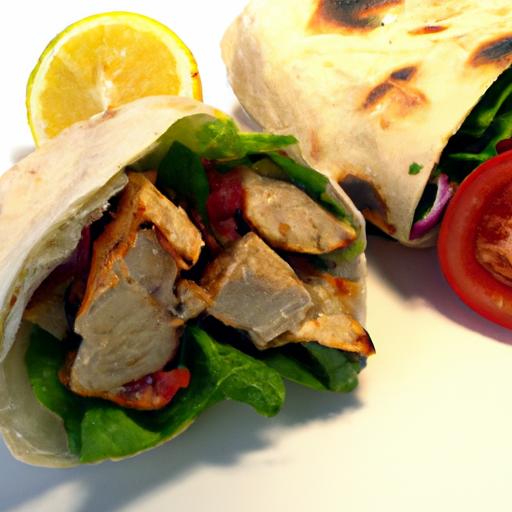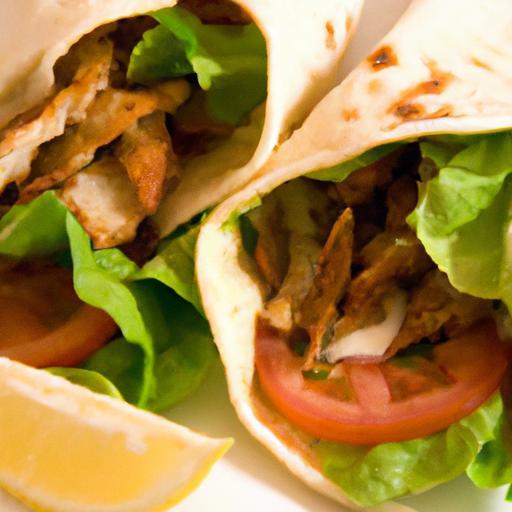

There’s nothing quite like sinking your teeth into a perfectly wrapped shawarma-the tender, flavorful meat, the warm, soft bread, and the vibrant tang of fresh toppings all melding together in every bite. But what happens when that juicy expectation falls flat, and your shawarma meat turns out dry and tough? Suddenly, the magic is lost, leaving you wondering, “Why is my shawarma meat dry?” Whether you’re a home cook eager to master the art of succulent shawarma or a curious food lover looking to understand the secrets behind that melt-in-your-mouth experience, this article will unravel the mystery. Get ready to dive into expert tips and essential techniques that will help you transform your shawarma from dry and disappointing into a juicy, mouthwatering delight worthy of any street food stall or gourmet kitchen.
Why Is My Shawarma Meat Dry? Unlocking the secrets behind tender, juicy shawarma begins with understanding every step that contributes to that perfect texture and depth of flavor. Shawarma, a cherished Middle Eastern street food, is revered for its succulent layers of spiced meat, slowly roasted to perfection. Yet, many home cooks wrestle with dryness, ending up with a less-than-stellar outcome. This guide dives into selecting the best cuts, crafting marinades that seal moisture, and mastering cooking techniques that transform ordinary meat into an irresistible shawarma experience.
Prep and Cook Time
- Preparation: 15 minutes (plus marination time of 8-12 hours)
- Cooking: 25-30 minutes
- Total Time: Approximately 9-12 hours (including marination)
Yield
Serves 4-6 as a main dish or wraps
Difficulty Level
Medium – Requires marination and precise cooking control
Ingredients
- 2 lbs boneless, skinless chicken thighs (preferably with a bit of fat for juiciness)
- 1/4 cup plain Greek yogurt (adds tang and tenderizes)
- 3 tbsp fresh lemon juice
- 4 cloves garlic, minced
- 2 tsp ground cumin
- 2 tsp ground coriander
- 1 1/2 tsp smoked paprika
- 1 tsp ground turmeric
- 1/2 tsp ground cinnamon
- 1/2 tsp cayenne pepper (adjust for heat preference)
- 1/4 cup olive oil
- Salt and freshly ground black pepper to taste
- Fresh parsley, chopped (for garnish)
Instructions
- Choose the right cut: Trim excess fat from the chicken thighs but leave a little marbling to retain moisture during cooking. Thighs are preferred over breast for their tenderness and juiciness.
- Prepare the marinade: In a bowl, whisk together Greek yogurt, lemon juice, garlic, spices, olive oil, salt, and pepper. The yogurt’s enzymes and acidity deeply penetrate the meat fibers, helping lock in moisture.
- Marinate: Submerge the meat in the marinade, cover with cling film, and refrigerate for 8 to 12 hours. This slow infusion is essential for achieving that signature shawarma juiciness and flavor.
- Preheat your grill or pan: Medium-high heat is key for a caramelized, flavorful crust without drying out the meat inside.
- Cook the meat: Remove meat from the marinade, letting excess drip off. Grill or cook in a hot skillet, turning every 3-4 minutes until the chicken is cooked through and golden with charred edges-usually about 20-25 minutes. Avoid overcrowding the pan to ensure proper searing.
- Rest: Let the cooked meat rest 5 minutes to redistribute the juices inside, preserving tenderness.
- Slice thinly: Cut against the grain into thin strips for optimal texture and ease of wrapping.
Tips for Success
- Marination magic: Don’t rush the marinade-it’s the ultimate moisture-locking step. Use yogurt or even buttermilk to tenderize protein.
- Temperature control: Avoid overcooking by monitoring the internal temperature of meat (165°F/74°C for chicken). Overcooked shawarma loses juiciness fast.
- Meat choices matter: While chicken thighs excel in juiciness, beef or lamb cuts like sirloin and shoulder can also work. Opt for cuts with moderate fat content.
- Use a meat thermometer: This tool is invaluable to prevent drying out your shawarma meat.
- Make-ahead: Cooked shawarma can be refrigerated up to 3 days. Reheat gently to maintain moisture, preferably covered or steamed briefly.
- Add moisture at serving: Drizzle tahini sauce or garlic yogurt sauce on your shawarma wraps for an extra moist bite.
Serving Suggestions
Serve your perfectly cooked shawarma meat wrapped in warm pita bread with fresh chopped vegetables such as tomatoes, cucumbers, and red onions. Add a dollop of creamy garlic sauce or tangy tahini for that authentic flavor punch. Garnish with fresh parsley or sumac for vibrant color and a mild citrus note. Pair with a side of pickled turnips or a crisp fattoush salad for a truly immersive Middle Eastern feast.

| Nutrient | Per Serving (approx.) |
|---|---|
| Calories | 310 kcal |
| Protein | 38 g |
| Carbs | 4 g |
| Fat | 14 g |
For more insights on perfect meat preparation, check out our ultimate guide to rotisserie chicken. To explore the science of meat cooking further, the Serious Eats Food Lab offers excellent in-depth articles on meat marinades and cooking techniques.
Q&A
Q&A: Why Is My Shawarma Meat Dry? Tips for Juicy Perfection
Q1: Why does my shawarma meat often turn out dry?
A1: Dry shawarma usually means the meat has been overcooked or sliced too thinly before resting. Shawarma thrives on slow, steady cooking and proper resting time to retain its juicy, tender texture. Cooking it at too high a temperature or for too long evaporates the natural juices, leaving it dry and tough.
Q2: What kind of meat should I use for the juiciest shawarma?
A2: Choose cuts with a good balance of lean and fat-chicken thighs, lamb shoulder, or beef chuck are fantastic options. The fat melts during cooking, basting the meat internally and keeping it moist and flavorful.
Q3: How important is marinating, and what should I include in my marinade?
A3: Marinating is essential! A blend of yogurt, olive oil, garlic, lemon juice, and spices not only imparts flavor but also helps tenderize the meat. The acidity in lemon juice and yogurt breaks down tough fibers so the meat stays succulent after cooking.
Q4: Can the cooking method affect dryness?
A4: Absolutely. Traditional shawarma is cooked slow and steady on a vertical rotisserie, allowing the outer layer to crisp while the inside remains juicy. If you’re using a grill or oven, aim for medium heat and cook in layers or batches to avoid drying out the meat.
Q5: How should I slice the cooked shawarma for the best texture?
A5: Slice thinly but carefully against the grain, just before serving. Thin slices allow for tender bites, but cutting too early or too thinly can dry the meat as juices escape. Let the cooked meat rest briefly so juices redistribute and slicing won’t leak moisture.
Q6: Any final tips to lock in the juiciness?
A6: Yes! Don’t rush the resting period after cooking. Tent the shawarma with foil for 5-10 minutes to trap steam and allow the meat fibers to relax and absorb moisture. Also, layering slices immediately after slicing and serving while warm keeps the juiciness intact.
With these tips, your shawarma will go from dry disappointment to juicy perfection-ready to wrap, stack, and savor!
Closing Remarks
In the dance of spices and sizzle, shawarma meat holds the promise of succulent, tender bites that transport you straight to the bustling streets of the Middle East. If you’ve ever encountered dry shawarma, consider it a cue to fine-tune your technique rather than a culinary defeat. With the right marinade magic, careful cooking temps, and thoughtful slicing, juicy perfection is well within your reach. So next time you spin that shawarma on your grill or in your oven, remember: moisture is the secret ingredient that turns mere meat into a mouthwatering masterpiece. Happy cooking, and may your shawarma always be delectably juicy!