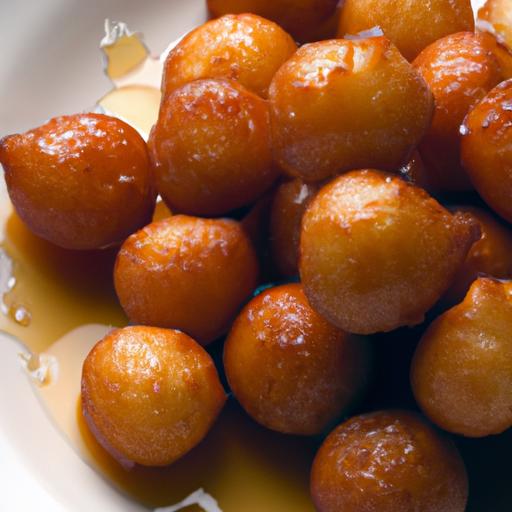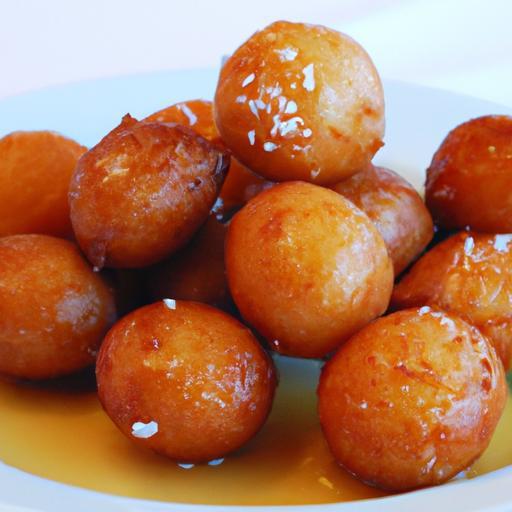

There’s a particular joy in biting into loukoumades-the golden, honey-drizzled wonders that puff up like little clouds of sweetness. Yet, all too often, these beloved Greek treats can fall short of their signature lightness, leaving us with doughy, dense disappointments instead of the airy magic we crave. What causes this transformation from ethereal delight to heavy morsel? In this article, we unravel the secrets behind why loukoumades lose their signature fluff, exploring the science, techniques, and common missteps that can turn your perfect bite upside down. Whether you’re a seasoned cook or a curious foodie, join us as we delve into the art-and the science-of keeping loukoumades beautifully buoyant.
Understanding The Science Behind Loukoumades Texture
Why my loukoumades lose their light, airy magic is a question many home cooks ask after biting into dense or heavy loukoumades instead of the ethereal, fluffy bites that melt in your mouth. The secret lies in understanding the delicate balance of aeration, fermentation, and frying technique that creates those signature golden spheres with a crisp exterior and cloud-like interior.
The magic begins with yeast activation and gluten development, which trap gas bubbles during fermentation. When done correctly, these bubbles expand during frying, puffing up each dough ball. A shallow or cold oil bath, overmixing, or too heavy a batter can all weigh down the loukoumades, causing them to be dense rather than light. Moisture content and frying temperature also play pivotal roles, as too much water or too low heat leads to oil absorption instead of crispness.
Common Mistakes That Weigh Down Your Loukoumades
To preserve that delicate lightness and ensure every bite bursts with airiness, avoid these common pitfalls:
- Using too thick of a batter: Heavy, doughy mixtures won’t rise properly and will yield dense loukoumades.
- Skipping fermentation time: The yeast needs ample time to activate and produce gas bubbles vital for airiness.
- Incorrect oil temperature: Frying loukoumades at too low a temperature results in soggy, greasy bites.
- Overmixing the batter: Excessive stirring can deflate the batter, collapsing the air bubbles formed during fermentation.
- Not using the right flour: Flour with low gluten can prevent proper structure and rise.
The Role Of Ingredients In Achieving Lightness And Airiness
The choice and balance of ingredients are fundamental to loukoumades’ texture. Key components include:
- All-purpose flour: Provides the right gluten strength to trap fermentation gases without becoming tough.
- Active dry yeast: The powerhouse for leavening, creating the bubbles that give loukoumades their lift.
- Warm water or milk: Activates yeast; the right temperature (around 100-110°F) boosts fermentation without killing yeast cells.
- Sugar: Feeds the yeast while contributing subtle sweetness, promoting browning during frying.
- Salt: Balances flavor and regulates yeast activity.
- Olive oil (for frying): Maintains a crisp outer crust and golden color when heated to the proper temperature (375°F).
Each ingredient plays a role in creating the perfect balance between moistness, structure, and crispness necessary for that unmistakable airy loukoumadaki experience.
Expert Tips For Perfectly Fluffy Loukoumades Every Time
From centuries-old tradition refined through countless kitchens, these expert tips will elevate your loukoumades to irresistible fluffiness:
- Activate yeast properly: Proof yeast in warm liquid for 5-10 minutes until bubbly before mixing.
- Let batter rise: Cover and ferment your batter for at least 1 hour or until doubled, to develop air pockets.
- Maintain oil temperature: Use a thermometer to keep frying oil steady at around 375°F for perfect puffing and browning.
- Use a light hand when mixing: Gently fold the batter after fermentation to retain air, avoiding harsh stirring.
- Drop batter carefully: Use two spoons or a piping bag for uniform, round loukoumades that fry evenly.
- Don’t overcrowd the pan: Fry in small batches to maintain oil temperature and ensure each loukoumadaki fries crisp.
- Drain well: Remove loukoumades with a slotted spoon and drain on paper towels to keep them crisp.
Prep and Cook Time
Prep: 15 minutes | Fermentation: 1 hour | Cook: 10 minutes
Yield
Approximately 30 loukoumades (serves 6)
Difficulty Level
Medium
Ingredients
- 2 cups all-purpose flour, sifted
- 1 cup warm water (100-110°F)
- 1 tbsp active dry yeast
- 2 tbsp granulated sugar
- ½ tsp fine sea salt
- 2 tbsp olive oil, plus extra for frying
- Honey and cinnamon for serving
Instructions
- Activate the yeast: In a small bowl, combine warm water, sugar, and yeast. Stir gently and let sit for 5-10 minutes until frothy.
- Make the batter: In a large bowl, whisk together flour and salt. Add the yeast mixture and olive oil. Stir gently to combine into a thick, smooth batter.
- Ferment the batter: Cover the bowl with a clean kitchen towel or plastic wrap. Let the batter rise in a warm spot for 1 hour or until doubled in volume and bubbly.
- Heat oil: Fill a deep, heavy-bottomed pot with olive oil to a depth of 2 inches. Heat to 375°F (190°C), using a thermometer to monitor temperature.
- Fry the loukoumades: Using two spoons or a piping bag, drop small spoonfuls of batter into the hot oil. Fry in small batches for 2-3 minutes, turning occasionally, until golden and puffed.
- Drain well: Remove with a slotted spoon, allowing excess oil to drip off. Place loukoumades on paper towels to absorb any residual oil.
- Serve immediately: Drizzle warm loukoumades with honey and a sprinkle of cinnamon for the classic finish.
Tips for Success
- Substitution: For a dairy-free version, simply use water instead of milk.
- Make-ahead: Loukoumades are best eaten fresh, but you can keep them in a warm oven (200°F) briefly before serving.
- Troubleshooting dense loukoumades: Check your yeast’s freshness and ensure the batter is resting long enough to ferment properly.
- For extra crispiness: Use a blend of olive and vegetable oil for frying.
Serving Suggestions
Serve loukoumades piled high on a rustic plate, freshly drizzled with fragrant honey, and dusted with ground cinnamon or crushed walnuts for warmth and crunch. Pair with a cup of strong Greek coffee or a spiced herbal tea to balance the sweet, crispy indulgence perfectly.

| Nutrient | Per Serving (5 loukoumades) |
|---|---|
| Calories | 210 kcal |
| Protein | 4 g |
| Carbohydrates | 28 g |
| Fat | 9 g |
Explore more Greek delights and baking techniques in our Greek Sweets and Desserts Collection. For a deeper dive into yeast fermentation science, visit the ScienceDaily yeast fermentation article.
Q&A
Q&A: Why Do My Loukoumades Lose Their Light, Airy Magic?
Q1: What exactly are loukoumades, and why is their texture so important?
Loukoumades are delightful Greek doughnuts-little golden puffs fried to perfection. Their signature charm lies in a light, airy interior with a crisp, golden crust. This delicate balance of fluffiness and crunch is what makes them truly magical-and disappointingly easy to lose.
Q2: Why do some loukoumades turn out dense or heavy instead of light and airy?
The secret to loukoumades’ fluffy texture is the air trapped inside the dough during fermentation and frying. When the dough is overworked, under-proofed, or mixed unevenly, the air pockets collapse, resulting in a dense, doughy bite instead of a cloud-like puff.
Q3: How does the fermentation process affect the loukoumades’ texture?
Fermentation is the soul of loukoumades. Yeast works its magic by producing carbon dioxide, which creates tiny bubbles in the dough. Too little fermentation means not enough bubbles, giving a flat, heavy dough. Too long, and the dough overproofs, then collapses. Timing is everything.
Q4: Can frying temperature make or break the loukoumades?
Absolutely! If the oil is too hot, loukoumades brown too fast on the outside while staying raw inside, losing that airy texture. Too cool, and they absorb excess oil, becoming greasy and heavy. The ideal oil temperature is around 350°F (175°C)-hot enough to puff up the dough evenly, but gentle enough to cook through.
Q5: Does the dough recipe itself play a role in keeping loukoumades light?
Yes! The right hydration level (ratio of water to flour), inclusion of yeast, and sometimes a touch of sugar or honey in the dough encourage proper fermentation and texture. Heavy additions like eggs or too much flour can weigh down the dough, while skipping the yeast altogether guarantees a dense treat.
Q6: How important is gentle handling of the dough in achieving that magical texture?
Crucial! Loukoumades dough is delicate. Vigorous kneading destroys precious air bubbles, and over-mixing can develop gluten too much, making the dough chewy rather than tender. Allow the dough to rest and rise with minimal disturbance, then gently scoop or drop it into the oil.
Q7: Any tips for maintaining the magical lightness after frying?
Serve loukoumades fresh-waiting too long lets them absorb moisture and lose crispness. Drain excess oil on paper towels to maintain crunch. A drizzle of honey or syrup right before serving adds sweetness without sogginess.
In essence, achieving that airy, magical texture in loukoumades is an art of balance: the perfect dough, patient fermentation, just-right frying temperature, and gentle handling. Nail these, and you unlock the cloud-like joy that makes loukoumades irresistibly enchanting!
Future Outlook
As we’ve uncovered the delicate dance of ingredients, technique, and timing behind loukoumades, it’s clear that their enchanting lightness isn’t just a happy accident-it’s a carefully crafted magic. From the right flour to the perfect fry, each step holds the power to lift these golden pillows from ordinary to ethereal. So, the next time your loukoumades lose their airy charm, remember: the secret lies in a tender balance of science and soul. Embrace the process, refine your craft, and let your loukoumades reclaim their rightful place as the divine little clouds they were always meant to be.