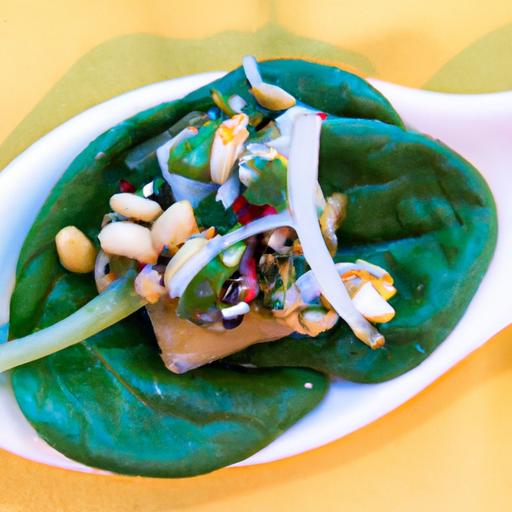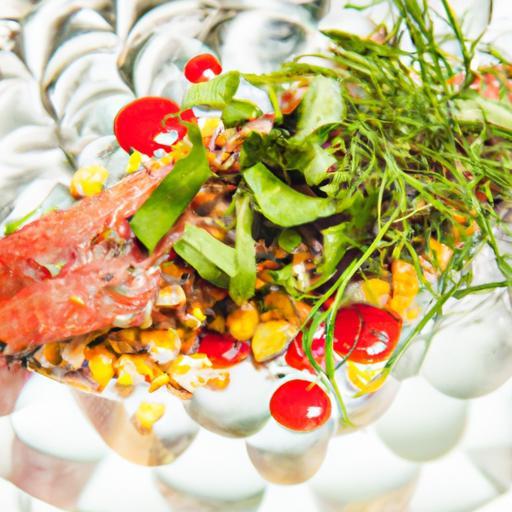

In the vibrant world of spices, sumac stands out as a jewel of tangy brilliance-inviting cooks to embark on a zesty adventure that awakens the palate and transforms ordinary dishes into extraordinary culinary experiences. This crimson-hued powder, treasured across Mediterranean and Middle Eastern kitchens, offers a unique citrusy tang that dances delicately on the tongue, bridging flavors with its bright, lemony zest. Whether sprinkled atop roasted vegetables, blended into marinades, or stirred through creamy dips, mastering the art of cooking with sumac unlocks a world of bold, refreshing tastes and endless creative possibilities. Join us as we journey through the origins, uses, and secrets of this enchanting spice, and discover how to infuse your cooking with its vibrant zest.
Zesty Adventures: Mastering the Art of Cooking with Sumac
Sumac is a jewel in Middle Eastern kitchens, treasured not only for its vibrant crimson hue but also for adding a tangy, lemony brightness that elevates dishes without the acidity of citrus. This zesty spice, derived from crushed berries, carries centuries of culinary heritage-it’s a seasoning that tells stories of bustling souks, sun-drenched orchards, and bold flavors that transform everyday meals into unforgettable experiences. Embracing sumac is more than cooking; it’s a flavorful journey, and with this guide, you’ll master essential techniques, ingredient pairings, and creative dishes to awaken your palate.
Prep and Cook Time
- Preparation: 10 minutes
- Cooking: 20 minutes
- Total Time: 30 minutes
Yield
- Serves 4 generously
Difficulty Level
- Easy to Medium – perfect for both beginners and seasoned cooks looking to spice up their repertoire
Ingredients
- 2 teaspoons sumac (preferably coarse ground for texture)
- 1 lb boneless chicken thighs, cut into 1-inch pieces
- 3 tablespoons olive oil
- 1 medium red onion, thinly sliced
- 2 cloves garlic, minced
- 1 cup plain Greek yogurt
- Juice of 1 lemon
- 1 teaspoon smoked paprika
- Salt and freshly ground black pepper to taste
- Fresh parsley, chopped for garnish
- Flatbreads or warm pita for serving
Instructions
- Marinate the Chicken: In a bowl, combine chicken pieces with sumac, Greek yogurt, lemon juice, smoked paprika, garlic, salt, and pepper. Mix thoroughly to coat evenly. Cover and refrigerate for at least 1 hour to allow flavors to meld.
- Prepare the Onion: Heat 1 tablespoon of olive oil in a skillet over medium heat. Add sliced red onion and sauté until soft and caramelized, about 8 minutes, stirring occasionally. Remove and set aside.
- Cook the Chicken: Heat remaining 2 tablespoons of olive oil in the same skillet on medium-high flame. Add marinated chicken pieces and sauté until golden brown and cooked through, about 8-10 minutes, turning frequently to ensure even cooking and to prevent sticking.
- Combine & Warm Through: Return the caramelized onions to the pan with the chicken. Stir well and cook together for another 2 minutes, allowing the layers of flavor to join beautifully.
- Serve: Plate the zesty sumac chicken alongside warm flatbreads or pita. Garnish generously with fresh parsley and a light dusting of extra sumac for that signature tang.
Tips for Success
- Marinating time: For deeper flavor, marinate overnight. Yogurt tenderizes the chicken and tames the acidity of sumac, creating a balanced zest.
- Sumac choice: Use fresh sumac from a reputable spice store for the best tangy punch and eye-catching color.
- Customize your heat: Add a pinch of cayenne or chili flakes for a smokier, spicier twist.
- Make-ahead: The chicken keeps well in the fridge for up to two days; reheat gently to avoid drying out.
- Vegetarian option: Swap chicken for roasted eggplant or chickpeas for a plant-based sumac delight.
Serving Suggestions
This dish shines when accompanied by sides that echo its freshness and texture. Try pairing it with a crisp cucumber and tomato salad tossed with lemon and herbs, or a cooling tahini sauce drizzled over the chicken. For an Instagram-worthy presentation, serve the sumac chicken on a bed of fluffy couscous or inside soft pita pockets with crunchy pickled vegetables. Finish with a sprinkle of pomegranate seeds for a pop of color and sweet contrast, along with a wedge of lemon for guests seeking extra zing. Your zesty culinary adventure awaits!
| Nutrient | Per Serving |
|---|---|
| Calories | 320 kcal |
| Protein | 35 g |
| Carbohydrates | 8 g |
| Fat | 15 g |
Learn more about sumac’s history and uses at Bon Appétit.
For further inspiration on Middle Eastern flavors, explore our Middle Eastern Spices Guide.

Q&A
Q&A: Zesty Adventures – Mastering the Art of Cooking with Sumac
Q1: What exactly is sumac, and why has it become a must-have spice in adventurous kitchens?
A1: Sumac is a vibrant, crimson-hued spice derived from dried and ground sumac berries. It carries a unique tangy, lemony flavor that is both bright and subtly astringent. Often found in Middle Eastern and Mediterranean cooking, sumac has recently captured the hearts of culinary explorers seeking to add zesty complexity without overwhelming heat or acidity.
Q2: How does sumac differ from common citrus flavors, like lemon or lime?
A2: While sumac shares a citrusy tang, it offers a dry, slightly fruity tartness with hints of berry and earthiness, unlike the wet acidity of lemon or lime juice. This nuanced flavor allows it to provide brightness without moisture, making it ideal for dry rubs, garnishes, and dressings where fresh citrus might alter texture or shelf life.
Q3: What are some creative ways to incorporate sumac into everyday cooking?
A3: The possibilities are endless! Sprinkle sumac over roasted vegetables to elevate their flavor, mix it into yogurt to create a tangy dip, or use it as a colorful finishing dust on grilled meats and seafood. It’s also fantastic in salad dressings, sprinkled over hummus, or even infused in olive oil for a zesty drizzle. Think of sumac as your spice cupboard’s little burst of sunshine!
Q4: Can sumac be used as a substitute for lemon or vinegar in recipes?
A4: Absolutely! When you want that bright acidity but need to avoid additional liquid, sumac shines. It’s perfect for dry seasoning blends and can replace lemon zest or vinegar in rubs and dressings. Keep in mind, it won’t provide the same sharp acidity but imparts a complex tang that many chefs love as a unique twist.
Q5: Are there health benefits associated with cooking with sumac?
A5: Yes! Sumac is rich in antioxidants and possesses anti-inflammatory properties. Traditionally, it has been used to aid digestion and support immune health. Incorporating this spice not only enlivens your dishes but also adds a nutritious boost to your culinary creations.
Q6: Any tips for storing sumac to keep it fresh and flavorful?
A6: Keep sumac in an airtight container, away from direct sunlight, heat, and moisture. Stored properly, it can maintain its freshness for up to six months, preserving that vibrant color and zesty punch that make your dishes sing.
Q7: How can a novice start experimenting with sumac without overwhelming their palate?
A7: Start small! Add a pinch to familiar dishes like roasted potatoes, scrambled eggs, or grilled chicken. Gradually increase quantities as you grow comfortable with its lively flavor. Pairing sumac with ingredients like garlic, olive oil, and fresh herbs will create a balanced and inviting taste experience.
Get ready to zest up your kitchen adventures – with sumac, every meal becomes a vibrant journey!
In Summary
As your culinary journey with sumac draws to a close, remember that this vibrant, tangy spice is more than just an ingredient-it’s a passport to zesty adventures that awaken your senses and elevate everyday dishes. Mastering the art of cooking with sumac not only adds a burst of citrusy brightness but also invites you to explore a world of flavors rooted in tradition and innovation alike. So sprinkle, sauté, and savor with confidence, knowing that each pinch of sumac transforms your kitchen into a canvas of endless culinary possibilities. Here’s to many more bold, flavorful discoveries-one zesty adventure at a time.